Get in touch
* Your personal information is securely protected and will only be used for business communication purposes.

A charger that seems close enough can still become the source of slow charging, hot connectors, shortened battery life, or repeated shift disruption. Electric forklift teams sometimes replace a charger only after a failure, and that is when compatibility mistakes are most likely. Voltage has to match, battery chemistry has to match, connector style has to match, and amp output has to fit the battery routine rather than simply chasing the fastest number available.
This guide is for supervisors, buyers, and maintenance teams choosing a replacement charger or standardizing a charging setup for electric forklifts. The goal is to treat charger compatibility as a full system check. A charging problem that looks like a weak battery may actually be a mismatch in voltage, connector wear, cable strain, or charger output that never truly suited the fleet’s operating pattern.
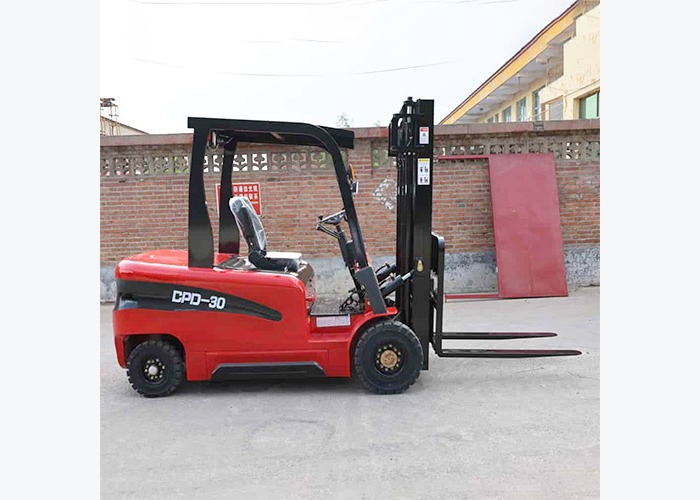
A charger has to match the battery’s chemistry and voltage before any other comparison is even useful. Guidance such as CCOHS forklift batteries is useful because it keeps the review tied to real operating control rather than to vague habit. In a working warehouse or yard, the checklist should reflect the actual route, load, charger routine, or placement task the machine will face. The main risk is that teams may focus on connector fit or price and miss the more basic mismatch that makes the charger unsuitable from the start. That is why the check should be explained in terms the operator and supervisor can both act on immediately.
A practical next step is to confirm whether the forklift uses the specific battery chemistry and voltage the charger is designed to support before approving installation. Keep the observation concrete instead of relying on memory, because specific notes make maintenance and supervision faster. The relevant Electric Forklift category can also help turn the observation into a product or application discussion that fits the site more cleanly. As a decision rule, treat chemistry and voltage compatibility as a non-negotiable entry check before looking at speed or convenience. That keeps the inspection connected to the daily task instead of turning it into a generic routine.
A connector that seems to plug in can still be the wrong answer if the contact design, current handling, or cable condition does not support the charger and battery pair safely. Guidance such as CCOHS battery charging safety is useful because it keeps the review tied to real operating control rather than to vague habit. In a working warehouse or yard, the checklist should reflect the actual route, load, charger routine, or placement task the machine will face. The main risk is that a charger may appear to work while slowly building connector heat and intermittent charging faults that look like battery problems. That is why the check should be explained in terms the operator and supervisor can both act on immediately.
A practical next step is to compare connector type, contact condition, locking fit, cable strain, and signs of previous heating before assuming the charger is compatible. Keep the observation concrete instead of relying on memory, because specific notes make maintenance and supervision faster. The relevant VY-CPD25 electric forklift can also help turn the observation into a product or application discussion that fits the site more cleanly. As a decision rule, judge connector compatibility by electrical fit and condition, not only by whether the plug physically joins. That keeps the inspection connected to the daily task instead of turning it into a generic routine.
Higher amp output can shorten charge time in the right setup, but it should still fit the battery specification and the fleet’s daily charging discipline. Guidance such as OSHA battery charging and changing is useful because it keeps the review tied to real operating control rather than to vague habit. In a working warehouse or yard, the checklist should reflect the actual route, load, charger routine, or placement task the machine will face. The main risk is that buyers may treat more amps as automatically better and end up with a charging pattern that creates heat, stress, or poor battery life. That is why the check should be explained in terms the operator and supervisor can both act on immediately.
A practical next step is to review how quickly the battery should be charged, what cooling or ventilation the area supports, and whether the charger output matches the approved battery routine. Keep the observation concrete instead of relying on memory, because specific notes make maintenance and supervision faster. The relevant VY-CPD30 electric forklift truck can also help turn the observation into a product or application discussion that fits the site more cleanly. As a decision rule, choose charger output that supports the battery plan safely rather than chasing the most aggressive charging number. That keeps the inspection connected to the daily task instead of turning it into a generic routine.
A charger mismatch often shows up as short runtime, incomplete charge, warm connectors, or inconsistent shift coverage that teams blame on the battery first. Guidance such as OSHA powered industrial truck standard is useful because it keeps the review tied to real operating control rather than to vague habit. In a working warehouse or yard, the checklist should reflect the actual route, load, charger routine, or placement task the machine will face. The main risk is that maintenance teams may replace or condemn a battery while the real problem is still sitting in the charger setup. That is why the check should be explained in terms the operator and supervisor can both act on immediately.
A practical next step is to compare charging symptoms with charger settings, connector heat, charge completion behavior, and whether the battery is actually reaching the expected state of charge. Keep the observation concrete instead of relying on memory, because specific notes make maintenance and supervision faster. The relevant Electric Forklift Charging Time Guide can also help turn the observation into a product or application discussion that fits the site more cleanly. As a decision rule, rule out charger mismatch before concluding that the battery itself is the primary failure point. That keeps the inspection connected to the daily task instead of turning it into a generic routine.
One charger used across several trucks adds convenience only if the fleet follows a clean rule for which batteries and connectors it can actually support. Guidance such as HSE workplace transport guidance is useful because it keeps the review tied to real operating control rather than to vague habit. In a working warehouse or yard, the checklist should reflect the actual route, load, charger routine, or placement task the machine will face. The main risk is that teams may create confusion and damage by letting a convenient charger serve batteries it was never meant to support. That is why the check should be explained in terms the operator and supervisor can both act on immediately.
A practical next step is to document which trucks, voltages, connector styles, and charging routines are permitted on each charger before shared use becomes normal practice. Keep the observation concrete instead of relying on memory, because specific notes make maintenance and supervision faster. The relevant Electric Forklift Runtime Planning Guide can also help turn the observation into a product or application discussion that fits the site more cleanly. As a decision rule, set shared-charger rules early so compatibility does not depend on memory during a busy shift. That keeps the inspection connected to the daily task instead of turning it into a generic routine.
A charger can be correctly matched on paper and still underperform because cables, connector pins, or routing habits create extra resistance and heat. Guidance such as HSE managing lift trucks is useful because it keeps the review tied to real operating control rather than to vague habit. In a working warehouse or yard, the checklist should reflect the actual route, load, charger routine, or placement task the machine will face. The main risk is that the fleet may blame the charger model while the actual failure path is mechanical wear in the cable and connector system. That is why the check should be explained in terms the operator and supervisor can both act on immediately.
A practical next step is to inspect for bent contacts, dirty pins, poor cable support, repeated drag damage, and any sign the connector area is heating during normal charge sessions. Keep the observation concrete instead of relying on memory, because specific notes make maintenance and supervision faster. The relevant Electric Forklift Battery Room Ventilation Checklist can also help turn the observation into a product or application discussion that fits the site more cleanly. As a decision rule, keep cable condition in the compatibility checklist instead of treating it as unrelated maintenance. That keeps the inspection connected to the daily task instead of turning it into a generic routine.
A charger that works for one-shift use may be a poor fit once the site moves into heavier turnover, shared chargers, or tighter break windows. Guidance such as CCOHS forklift batteries is useful because it keeps the review tied to real operating control rather than to vague habit. In a working warehouse or yard, the checklist should reflect the actual route, load, charger routine, or placement task the machine will face. The main risk is that compatibility may look fine in a simple test and then fail under the actual warehouse schedule because the charger routine was never modeled. That is why the check should be explained in terms the operator and supervisor can both act on immediately.
A practical next step is to compare the charge cycle against real shift length, break timing, battery reserve expectations, and whether the charger has enough recovery time between trucks. Keep the observation concrete instead of relying on memory, because specific notes make maintenance and supervision faster. The relevant contact VARYON for charging support can also help turn the observation into a product or application discussion that fits the site more cleanly. As a decision rule, treat the shift pattern as part of charger compatibility rather than as a separate operating issue. That keeps the inspection connected to the daily task instead of turning it into a generic routine.
The right charger still depends on the charging area’s ventilation, power supply, cable storage, and operator access habits. Guidance such as CCOHS battery charging safety is useful because it keeps the review tied to real operating control rather than to vague habit. In a working warehouse or yard, the checklist should reflect the actual route, load, charger routine, or placement task the machine will face. The main risk is that a compatible charger may still create downtime or wear because the bay setup forces awkward or rushed handling. That is why the check should be explained in terms the operator and supervisor can both act on immediately.
A practical next step is to review the bay layout, available power, plug access, cable storage path, and how operators connect and disconnect the charger in daily use. Keep the observation concrete instead of relying on memory, because specific notes make maintenance and supervision faster. The relevant Electric Forklift category can also help turn the observation into a product or application discussion that fits the site more cleanly. As a decision rule, judge charger choice together with the charging-bay design so the replacement works in practice and not just in theory. That keeps the inspection connected to the daily task instead of turning it into a generic routine.
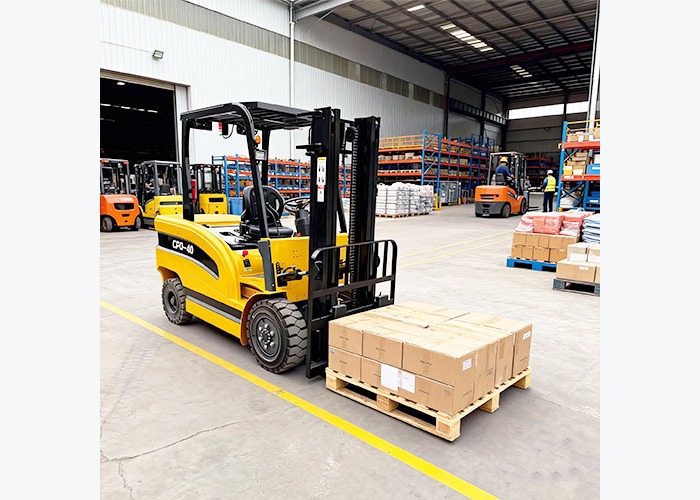
Suppliers can recommend a more reliable charger when the site shares actual battery data and connector photos instead of asking for a general replacement unit. Guidance such as OSHA battery charging and changing is useful because it keeps the review tied to real operating control rather than to vague habit. In a working warehouse or yard, the checklist should reflect the actual route, load, charger routine, or placement task the machine will face. The main risk is that buyers may receive a generic charger because they provided too little information to verify fit cleanly. That is why the check should be explained in terms the operator and supervisor can both act on immediately.
A practical next step is to send battery chemistry, voltage, amp-hour rating, connector photos, charger label details, and shift length when requesting a replacement recommendation. Keep the observation concrete instead of relying on memory, because specific notes make maintenance and supervision faster. The relevant VY-CPD25 electric forklift can also help turn the observation into a product or application discussion that fits the site more cleanly. As a decision rule, turn the replacement request into a documented compatibility review instead of a quick parts search. That keeps the inspection connected to the daily task instead of turning it into a generic routine.
The cleanest charger replacement usually comes from a short checklist completed before money is spent, not from fixing problems after installation. Guidance such as OSHA powered industrial truck standard is useful because it keeps the review tied to real operating control rather than to vague habit. In a working warehouse or yard, the checklist should reflect the actual route, load, charger routine, or placement task the machine will face. The main risk is that teams may spend on the wrong unit simply because each compatibility factor was checked separately and never tied together. That is why the check should be explained in terms the operator and supervisor can both act on immediately.
A practical next step is to verify chemistry, voltage, connector style, cable condition, amp output, charging window, and bay power before ordering or reassigning a charger. Keep the observation concrete instead of relying on memory, because specific notes make maintenance and supervision faster. The relevant VY-CPD30 electric forklift truck can also help turn the observation into a product or application discussion that fits the site more cleanly. As a decision rule, approve the charger only when the full charging system supports it safely and consistently. That keeps the inspection connected to the daily task instead of turning it into a generic routine.
Can I use any charger with the same voltage battery? No. Voltage matters, but chemistry, connector type, output behavior, and the actual charging routine also have to fit.
Does higher amp output always mean better charging? No. Higher output can be useful in the right setup, but it still has to match battery requirements and the site’s charging discipline safely.
Why does a compatible charger still overheat the connector? The issue may be worn contacts, cable strain, dirty pins, or poor connector condition even when the charger model itself is correct on paper.
Watch a related electric forklift video here: https://www.youtube.com/watch?v=tP-VDDP7tFE.
Electric forklift charger compatibility is a system decision, not just a charger purchase. Voltage, chemistry, connector fit, cable condition, output level, and shift routine all have to work together.
Many charging problems that look like battery failure are really compatibility problems that were never documented clearly. A short pre-purchase checklist usually saves far more time than replacing the wrong part twice.
If you want VARYON to review a charger replacement, send battery chemistry, voltage, connector photos, charger label details, and your shift length so the recommendation fits the actual charging routine.