Get in touch
* Your personal information is securely protected and will only be used for business communication purposes.

Pallet stackers are compact, but compact equipment still needs disciplined pedestrian safety planning. Walkie and electric stackers often work in the same areas where people pick orders, wrap pallets, count inventory, open doors, or cross aisles. Because the machines are smaller and quieter than many forklifts, teams may underestimate how quickly a shared aisle can become risky.
This guide explains how to control pallet stacker movement around pedestrians in shared warehouse aisles and pick zones. It covers route marking, blind corners, operator position, horn and mirror habits, staging discipline, training, and daily supervision so compact pallet handling remains predictable.
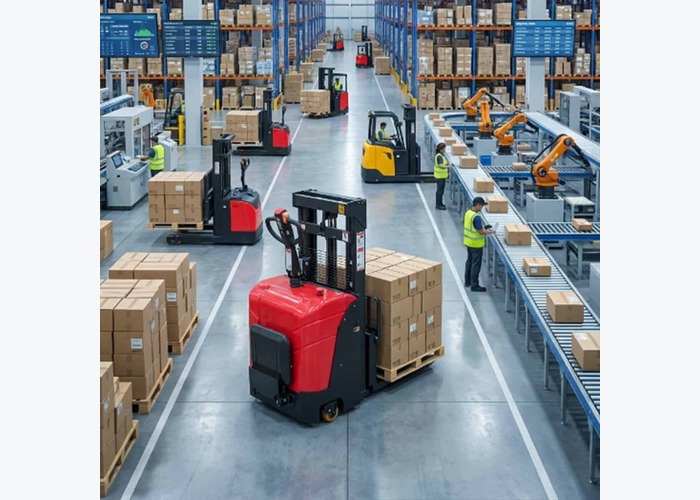
Pedestrian safety starts with identifying the real meeting points, not only drawing official traffic routes. Guidance such as OSHA powered industrial truck standard is useful because it keeps the review tied to real operating control rather than to vague habit. In a working warehouse or yard, the checklist should reflect the actual route, load, charger routine, or placement task the machine will face. The main risk is that paper layouts may look separated while daily shortcuts create contact points. That is why the check should be explained in terms the operator and supervisor can both act on immediately.
A practical next step is to observe where order pickers, packers, drivers, and stacker operators cross paths during a normal busy hour. Keep the observation concrete instead of relying on memory, because specific notes make maintenance and supervision faster. The relevant Stacker category can also help turn the observation into a product or application discussion that fits the site more cleanly. As a decision rule, base controls on observed movement, not only on the floor plan. That keeps the inspection connected to the daily task instead of turning it into a generic routine.
The strongest control is physical or procedural separation that prevents people and equipment from competing for the same narrow space. Guidance such as OSHA powered industrial trucks eTool is useful because it keeps the review tied to real operating control rather than to vague habit. In a working warehouse or yard, the checklist should reflect the actual route, load, charger routine, or placement task the machine will face. The main risk is that shared aisles become risky when everyone assumes the other person will yield. That is why the check should be explained in terms the operator and supervisor can both act on immediately.
A practical next step is to use marked walkways, barriers, timing rules, or one-way movement where the layout allows. Keep the observation concrete instead of relying on memory, because specific notes make maintenance and supervision faster. The relevant walkie stacker CDD-15 can also help turn the observation into a product or application discussion that fits the site more cleanly. As a decision rule, separate first and manage shared points carefully when separation is not possible. That keeps the inspection connected to the daily task instead of turning it into a generic routine.
A pick zone can become crowded with pallets, cartons, wrapping film, empty boards, and people focused on product rather than equipment. Guidance such as CCOHS manual materials handling is useful because it keeps the review tied to real operating control rather than to vague habit. In a working warehouse or yard, the checklist should reflect the actual route, load, charger routine, or placement task the machine will face. The main risk is that loose staging can hide a moving stacker or force people into the travel path. That is why the check should be explained in terms the operator and supervisor can both act on immediately.
A practical next step is to define where pallets may wait and where stackers may stop without blocking pedestrian sightlines. Keep the observation concrete instead of relying on memory, because specific notes make maintenance and supervision faster. The relevant walkie stacker CDD-20 can also help turn the observation into a product or application discussion that fits the site more cleanly. As a decision rule, keep pick-zone edges clean and predictable. That keeps the inspection connected to the daily task instead of turning it into a generic routine.
Stackers often turn from narrow aisles into cross aisles where both the operator and pedestrian have limited visibility. Guidance such as CCOHS forklift safety is useful because it keeps the review tied to real operating control rather than to vague habit. In a working warehouse or yard, the checklist should reflect the actual route, load, charger routine, or placement task the machine will face. The main risk is that compact size can tempt operators to turn quickly through corners. That is why the check should be explained in terms the operator and supervisor can both act on immediately.
A practical next step is to install mirrors where appropriate and require slow approach, horn use, and full stop rules at blind points. Keep the observation concrete instead of relying on memory, because specific notes make maintenance and supervision faster. The relevant Pallet Stacker Aisle Width Guide can also help turn the observation into a product or application discussion that fits the site more cleanly. As a decision rule, treat blind corners as controlled intersections. That keeps the inspection connected to the daily task instead of turning it into a generic routine.
Walkie stacker operators may stand beside or behind the machine, changing their visibility and body position during turns. Guidance such as HSE workplace transport is useful because it keeps the review tied to real operating control rather than to vague habit. In a working warehouse or yard, the checklist should reflect the actual route, load, charger routine, or placement task the machine will face. The main risk is that operator body position can be forgotten when the focus is only on the load. That is why the check should be explained in terms the operator and supervisor can both act on immediately.
A practical next step is to train operators to keep a safe position and avoid placing themselves between the truck, load, rack, or wall. Keep the observation concrete instead of relying on memory, because specific notes make maintenance and supervision faster. The relevant Walkie Stacker Training Guide can also help turn the observation into a product or application discussion that fits the site more cleanly. As a decision rule, include operator stance in every safety routine. That keeps the inspection connected to the daily task instead of turning it into a generic routine.
A raised or tall load can block sightlines even when the aisle itself is wide enough. Guidance such as CDC forklift injury prevention is useful because it keeps the review tied to real operating control rather than to vague habit. In a working warehouse or yard, the checklist should reflect the actual route, load, charger routine, or placement task the machine will face. The main risk is that people may assume the operator can see them when the load blocks the view. That is why the check should be explained in terms the operator and supervisor can both act on immediately.
A practical next step is to keep loads low for travel and use a spotter or alternate route when visibility is blocked by unusual cargo. Keep the observation concrete instead of relying on memory, because specific notes make maintenance and supervision faster. The relevant warehousing and logistics solutions can also help turn the observation into a product or application discussion that fits the site more cleanly. As a decision rule, manage visibility before the machine moves. That keeps the inspection connected to the daily task instead of turning it into a generic routine.
Horns, lights, alarms, mirrors, and floor markings only work when the team uses them consistently and understands what they mean. Guidance such as OSHA powered industrial truck standard is useful because it keeps the review tied to real operating control rather than to vague habit. In a working warehouse or yard, the checklist should reflect the actual route, load, charger routine, or placement task the machine will face. The main risk is that random horn habits can become background noise instead of useful communication. That is why the check should be explained in terms the operator and supervisor can both act on immediately.
A practical next step is to standardize warning practices at doors, crossings, rack ends, and pick-zone entries. Keep the observation concrete instead of relying on memory, because specific notes make maintenance and supervision faster. The relevant contact VARYON for stacker planning can also help turn the observation into a product or application discussion that fits the site more cleanly. As a decision rule, make warning signals predictable. That keeps the inspection connected to the daily task instead of turning it into a generic routine.
Pedestrian safety cannot rely only on operators because people on foot need to know where not to stand, cross, or stage goods. Guidance such as OSHA powered industrial trucks eTool is useful because it keeps the review tied to real operating control rather than to vague habit. In a working warehouse or yard, the checklist should reflect the actual route, load, charger routine, or placement task the machine will face. The main risk is that new workers may not understand how quietly a stacker can approach. That is why the check should be explained in terms the operator and supervisor can both act on immediately.
A practical next step is to train pickers, packers, visitors, and temporary staff on stacker routes and right-of-way rules. Keep the observation concrete instead of relying on memory, because specific notes make maintenance and supervision faster. The relevant Stacker category can also help turn the observation into a product or application discussion that fits the site more cleanly. As a decision rule, make shared-aisle rules part of site orientation. That keeps the inspection connected to the daily task instead of turning it into a generic routine.
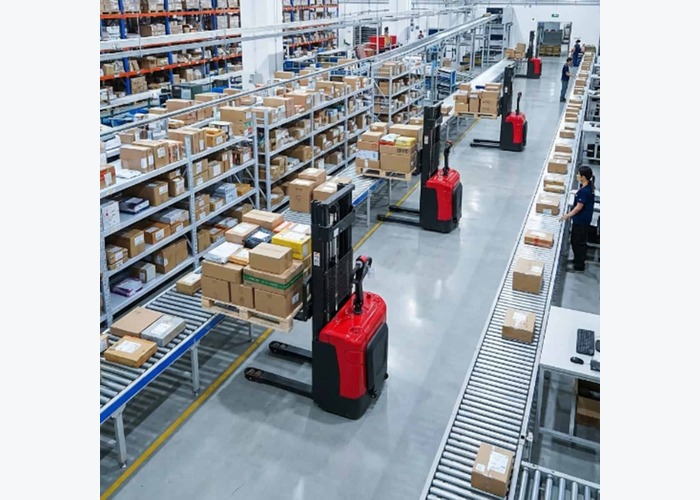
Debris, shrink wrap, broken pallets, and staged goods can push pedestrians and stackers into each other’s space. Guidance such as CCOHS manual materials handling is useful because it keeps the review tied to real operating control rather than to vague habit. In a working warehouse or yard, the checklist should reflect the actual route, load, charger routine, or placement task the machine will face. The main risk is that housekeeping problems can undo good traffic rules within one busy hour. That is why the check should be explained in terms the operator and supervisor can both act on immediately.
A practical next step is to inspect shared aisles at shift start and after peak picking periods. Keep the observation concrete instead of relying on memory, because specific notes make maintenance and supervision faster. The relevant walkie stacker CDD-15 can also help turn the observation into a product or application discussion that fits the site more cleanly. As a decision rule, keep the route clear as an active safety control. That keeps the inspection connected to the daily task instead of turning it into a generic routine.
Near misses around stackers usually contain useful information about layout, timing, training, or staging problems. Guidance such as CCOHS forklift safety is useful because it keeps the review tied to real operating control rather than to vague habit. In a working warehouse or yard, the checklist should reflect the actual route, load, charger routine, or placement task the machine will face. The main risk is that teams may dismiss near misses because no one was injured. That is why the check should be explained in terms the operator and supervisor can both act on immediately.
A practical next step is to record what happened, where it happened, and what each person could see at the time. Keep the observation concrete instead of relying on memory, because specific notes make maintenance and supervision faster. The relevant walkie stacker CDD-20 can also help turn the observation into a product or application discussion that fits the site more cleanly. As a decision rule, use near misses to improve the route before a real injury occurs. That keeps the inspection connected to the daily task instead of turning it into a generic routine.
Are pallet stackers safer than forklifts around pedestrians? They are smaller, but they still carry heavy loads and work in tight spaces. Safety depends on route design, training, visibility, and shared-aisle control.
Should pedestrians be trained on stacker routes? Yes. Operators and pedestrians both need to understand crossing points, right-of-way rules, staging zones, and warning signals.
What is the biggest shared-aisle mistake? Allowing pallets, packaging, and people to crowd the aisle until the stacker and pedestrians are forced into the same path.
Watch a related stacker video here: https://www.youtube.com/watch?v=ROqFgDITLnw.
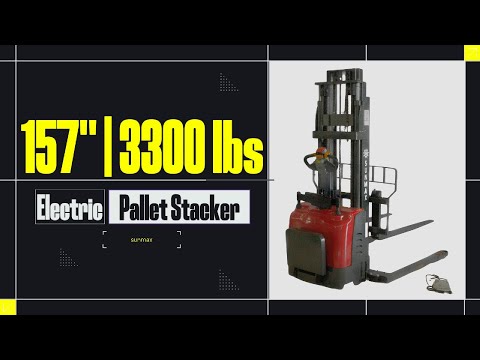
Pallet stacker pedestrian safety works best when compact equipment is treated seriously.
Map the real crossing points, separate routes where possible, control pick-zone staging, slow blind-corner movement, and train both operators and pedestrians.
For layout support, send VARYON aisle widths, pick-zone photos, pallet flow, operator route, and pedestrian crossing points.