Get in touch
* Your personal information is securely protected and will only be used for business communication purposes.

Walkie stacker training should do more than explain the buttons and travel direction. Operators need a repeatable routine for inspection, pallet approach, turning, travel speed, aisle awareness, and final placement so the machine behaves predictably across the whole shift. When training stays too general, the truck may still be capable, but the route becomes awkward because operators invent different habits at each pallet face and each aisle crossing.
This guide is written for warehouse supervisors, trainers, and operators who want a practical walkie stacker routine. It focuses on daily checks, pallet entry alignment, route control, visibility, travel discipline, and the small handling habits that reduce contact damage and make repeated pallet movement feel steady instead of rushed.
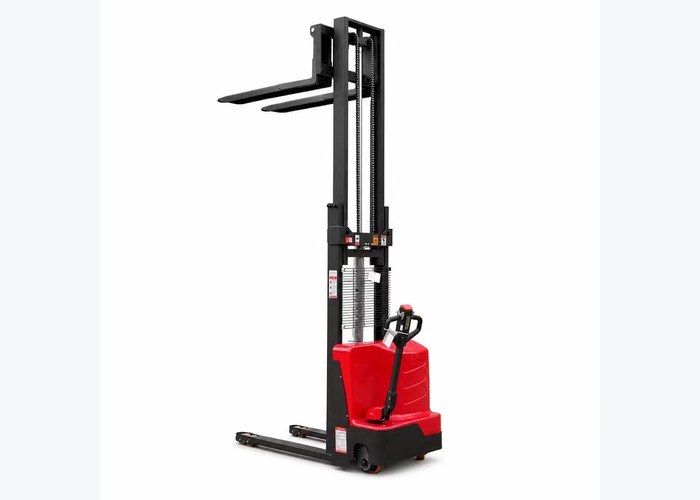
A walkie stacker should be taught on the route it really uses so operators learn the tightest turns, pickup points, thresholds, and placement zones that shape the daily routine. This is a practical operating issue, not merely a specification detail. The OSHA powered industrial truck guidance provides useful context for the control principles behind this decision. In a real warehouse or yard, the condition should be reviewed with the actual load, route, battery routine, or placement task in mind. The main risk is that operators may understand the controls but still struggle once the route introduces real obstacles and timing pressure. Supervisors and buyers should therefore connect the observation to the real job pattern before assuming a standard configuration will work.
A reliable next step is to walk the route before live operation and point out the narrowest approach, the busiest crossing, and the highest repeatable placement point. Record what was observed instead of relying on memory, because clear operating details make supplier discussions and internal decisions much faster. The relevant stacker category can help translate the requirement into a machine option that fits the route more cleanly. Avoid solving the issue with assumptions or informal workarounds that only look acceptable in a short demonstration. As a decision rule, teach the machine inside the real warehouse pattern and not only in open space. That keeps the buying decision tied to the daily task rather than to a generic machine label.
Training starts before travel because forks, wheels, controls, mast condition, emergency functions, and warning behavior all affect how confidently the truck can be used. This is a practical operating issue, not merely a specification detail. The OSHA powered industrial truck standard provides useful context for the control principles behind this decision. In a real warehouse or yard, the condition should be reviewed with the actual load, route, battery routine, or placement task in mind. The main risk is that a skipped inspection can turn a small issue into poor pallet entry or unpredictable travel later in the shift. Supervisors and buyers should therefore connect the observation to the real job pattern before assuming a standard configuration will work.
A reliable next step is to build a short pre-shift inspection around forks, wheels, battery condition, steering response, brakes, mast, and visible damage. Record what was observed instead of relying on memory, because clear operating details make supplier discussions and internal decisions much faster. The relevant walkie stacker CDD-15 can help translate the requirement into a machine option that fits the route more cleanly. Avoid solving the issue with assumptions or informal workarounds that only look acceptable in a short demonstration. As a decision rule, make daily checks a required starting routine instead of a rushed formality. That keeps the buying decision tied to the daily task rather than to a generic machine label.
One of the most important walkie stacker habits is learning how to approach a pallet squarely, with the correct fork height and enough time to correct before contact. This is a practical operating issue, not merely a specification detail. The CCOHS manual materials handling guidance provides useful context for the control principles behind this decision. In a real warehouse or yard, the condition should be reviewed with the actual load, route, battery routine, or placement task in mind. The main risk is that rushed entry can damage pallets, product, or the truck’s own contact points. Supervisors and buyers should therefore connect the observation to the real job pattern before assuming a standard configuration will work.
A reliable next step is to teach operators to slow down early, level the forks, and use reference points before entering the pallet. Record what was observed instead of relying on memory, because clear operating details make supplier discussions and internal decisions much faster. The relevant walkie stacker CDD-20 can help translate the requirement into a machine option that fits the route more cleanly. Avoid solving the issue with assumptions or informal workarounds that only look acceptable in a short demonstration. As a decision rule, train for smooth first entry rather than repeated correction inside the pallet. That keeps the buying decision tied to the daily task rather than to a generic machine label.
A compact stacker still needs controlled turning because pallets, rack posts, and pedestrians reduce the margin for improvised movement. This is a practical operating issue, not merely a specification detail. The CCOHS forklift truck safety provides useful context for the control principles behind this decision. In a real warehouse or yard, the condition should be reviewed with the actual load, route, battery routine, or placement task in mind. The main risk is that tight rushed turns may feel faster at first but often create contact risk and repeated repositioning. Supervisors and buyers should therefore connect the observation to the real job pattern before assuming a standard configuration will work.
A reliable next step is to show where operators should slow down, widen the turn carefully, and keep the load stable before changing direction. Record what was observed instead of relying on memory, because clear operating details make supplier discussions and internal decisions much faster. The relevant stand-on stacker CZD-15 can help translate the requirement into a machine option that fits the route more cleanly. Avoid solving the issue with assumptions or informal workarounds that only look acceptable in a short demonstration. As a decision rule, treat turning points as planned control zones rather than as casual shortcuts. That keeps the buying decision tied to the daily task rather than to a generic machine label.
Walkie stacker training is stronger when operators know the correct travel posture for the load instead of guessing by feel. This is a practical operating issue, not merely a specification detail. The HSE workplace transport guidance provides useful context for the control principles behind this decision. In a real warehouse or yard, the condition should be reviewed with the actual load, route, battery routine, or placement task in mind. The main risk is that inconsistent travel height can reduce visibility and make the truck harder to control over thresholds or at intersections. Supervisors and buyers should therefore connect the observation to the real job pattern before assuming a standard configuration will work.
A reliable next step is to set one clear rule for fork height during travel and explain how load stability changes when the pallet is carried too high or too low. Record what was observed instead of relying on memory, because clear operating details make supplier discussions and internal decisions much faster. The relevant stand-on stacker CZD-20 can help translate the requirement into a machine option that fits the route more cleanly. Avoid solving the issue with assumptions or informal workarounds that only look acceptable in a short demonstration. As a decision rule, use fixed travel-height habits so the whole team moves loads the same way. That keeps the buying decision tied to the daily task rather than to a generic machine label.
Warehouse training is incomplete if it treats pedestrians as unexpected interruptions rather than a normal part of daily movement. This is a practical operating issue, not merely a specification detail. The NIOSH forklift safety guidance provides useful context for the control principles behind this decision. In a real warehouse or yard, the condition should be reviewed with the actual load, route, battery routine, or placement task in mind. The main risk is that a stacker may be technically easy to drive but still unsafe if route communication is vague. Supervisors and buyers should therefore connect the observation to the real job pattern before assuming a standard configuration will work.
A reliable next step is to mark crossing points, horn expectations, sightline risks, and yielding rules before operators begin routine work. Record what was observed instead of relying on memory, because clear operating details make supplier discussions and internal decisions much faster. The relevant warehousing and logistics solutions can help translate the requirement into a machine option that fits the route more cleanly. Avoid solving the issue with assumptions or informal workarounds that only look acceptable in a short demonstration. As a decision rule, integrate pedestrian control into training from the first day. That keeps the buying decision tied to the daily task rather than to a generic machine label.
Many handling errors happen where the truck crosses a dock plate, floor joint, doorway, or uneven section that changes the feel of the load. This is a practical operating issue, not merely a specification detail. The Wikipedia pallet jack overview provides useful context for the control principles behind this decision. In a real warehouse or yard, the condition should be reviewed with the actual load, route, battery routine, or placement task in mind. The main risk is that operators may move well in open aisles but lose control or comfort at the route’s rougher sections. Supervisors and buyers should therefore connect the observation to the real job pattern before assuming a standard configuration will work.
A reliable next step is to practice the slow approach and straight crossing method at each known transition point. Record what was observed instead of relying on memory, because clear operating details make supplier discussions and internal decisions much faster. The relevant VARYON products overview can help translate the requirement into a machine option that fits the route more cleanly. Avoid solving the issue with assumptions or informal workarounds that only look acceptable in a short demonstration. As a decision rule, teach the transition points as specific handling tasks instead of assuming they are self-explanatory. That keeps the buying decision tied to the daily task rather than to a generic machine label.
Operators often concentrate on entering the pallet safely and then rush the final placement, even though rack approach and load settling still need patience. This is a practical operating issue, not merely a specification detail. The Wikipedia forklift overview provides useful context for the control principles behind this decision. In a real warehouse or yard, the condition should be reviewed with the actual load, route, battery routine, or placement task in mind. The main risk is that hurried placement can create pallet rub, beam contact, or unstable product positioning. Supervisors and buyers should therefore connect the observation to the real job pattern before assuming a standard configuration will work.
A reliable next step is to train for controlled final inches, clear visibility, and stable lowering at the destination point. Record what was observed instead of relying on memory, because clear operating details make supplier discussions and internal decisions much faster. The relevant contact VARYON for stacker planning can help translate the requirement into a machine option that fits the route more cleanly. Avoid solving the issue with assumptions or informal workarounds that only look acceptable in a short demonstration. As a decision rule, treat final placement as a controlled maneuver and not simply the end of the trip. That keeps the buying decision tied to the daily task rather than to a generic machine label.
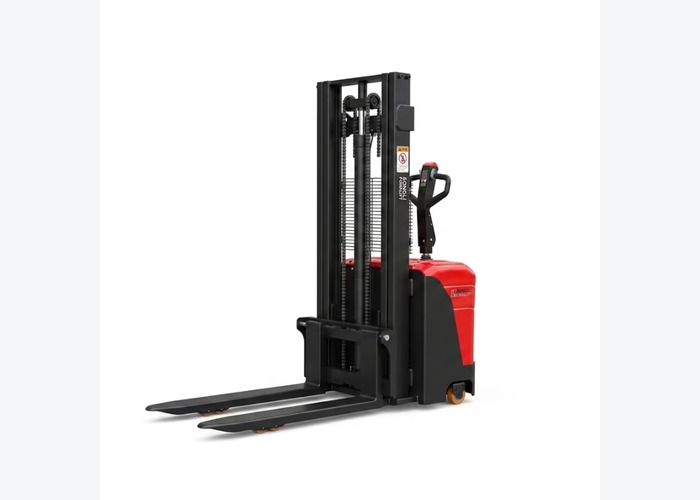
A walkie stacker used by several shifts works better when everyone follows the same inspection, travel, charging, and reporting method. This is a practical operating issue, not merely a specification detail. The OSHA powered industrial truck guidance provides useful context for the control principles behind this decision. In a real warehouse or yard, the condition should be reviewed with the actual load, route, battery routine, or placement task in mind. The main risk is that without a shared routine, each shift may leave the truck in a different condition or with missing information. Supervisors and buyers should therefore connect the observation to the real job pattern before assuming a standard configuration will work.
A reliable next step is to post a short training standard that covers checks, parking, plug-in routine, and fault escalation for every operator. Record what was observed instead of relying on memory, because clear operating details make supplier discussions and internal decisions much faster. The relevant stacker category can help translate the requirement into a machine option that fits the route more cleanly. Avoid solving the issue with assumptions or informal workarounds that only look acceptable in a short demonstration. As a decision rule, standardize the small habits so the next operator starts from the same baseline every time. That keeps the buying decision tied to the daily task rather than to a generic machine label.
Walkie stacker training stays useful when supervisors review recurring route problems and retrain around the exact points where contact or hesitation keeps happening. This is a practical operating issue, not merely a specification detail. The OSHA powered industrial truck standard provides useful context for the control principles behind this decision. In a real warehouse or yard, the condition should be reviewed with the actual load, route, battery routine, or placement task in mind. The main risk is that generic refresher talks may not fix the warehouse behaviors that are actually creating loss. Supervisors and buyers should therefore connect the observation to the real job pattern before assuming a standard configuration will work.
A reliable next step is to use near-miss notes, damaged-pallet examples, and route bottlenecks to guide refresher practice. Record what was observed instead of relying on memory, because clear operating details make supplier discussions and internal decisions much faster. The relevant walkie stacker CDD-15 can help translate the requirement into a machine option that fits the route more cleanly. Avoid solving the issue with assumptions or informal workarounds that only look acceptable in a short demonstration. As a decision rule, base retraining on real route evidence so the lesson solves a current handling problem. That keeps the buying decision tied to the daily task rather than to a generic machine label.
What is the biggest mistake in walkie stacker training? Many teams explain the controls but do not teach the real route, pallet entry habits, and crossing points that actually shape safe daily use.
Why are daily checks so important for a walkie stacker? Because forks, wheels, brakes, controls, and mast condition directly affect pallet entry, travel feel, and operator confidence during repeated warehouse work.
Should refresher training focus on general rules or route problems? General rules matter, but refresher sessions are most useful when they target the exact aisles, turns, thresholds, and handling habits that have already caused hesitation or contact.
Watch a related stacker video here: https://www.youtube.com/watch?v=2v7TII46teo.
Strong walkie stacker training is built around the real warehouse route, not around a short control demonstration in open floor space.
The safest and most efficient routine comes from combining daily checks, careful pallet entry, stable travel height, disciplined turning, and clear pedestrian rules. When those habits are shared across every shift, the stacker becomes easier to use consistently and pallet handling losses usually drop with it.
For a better training and equipment plan, share your pallet type, aisle width, route notes, and shift pattern with VARYON before finalizing the walkie stacker setup.