Get in touch
* Your personal information is securely protected and will only be used for business communication purposes.

Choosing a diesel forklift manufacturer is not only about finding a company that can quote a truck quickly. Serious buyers need to know whether the supplier can match the real load, route, mast height, tire setup, attachment plan, and export requirements that the job demands. A diesel forklift that looks acceptable in a catalog can still become expensive if the supplier gives vague technical answers, unclear packing scope, or weak after-sales support once the machine is on the water or already in use.
This checklist is written for procurement teams, dealers, project managers, and warehouse supervisors who need a practical way to compare diesel forklift suppliers. It focuses on specification control, factory communication, documentation quality, spare parts planning, lead-time discipline, and the working details that help a buyer place a cleaner order instead of relying on assumptions that only surface after payment.
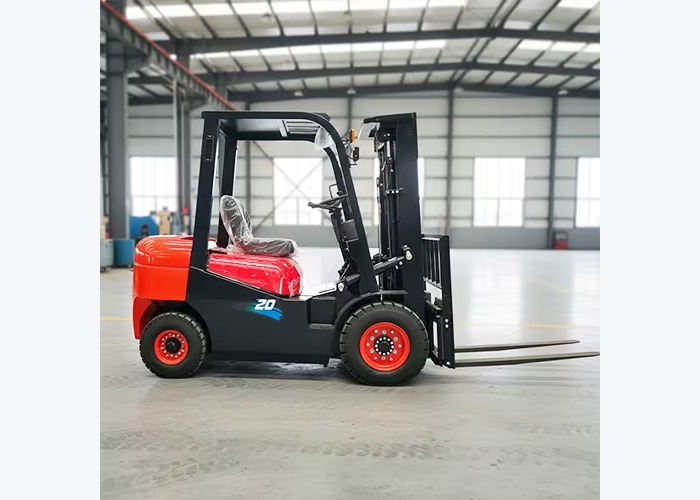
A diesel forklift manufacturer can only recommend the right truck when the buyer describes the real job clearly instead of asking for a generic quote. This is a practical operating issue, not merely a specification detail. The OSHA powered industrial truck guidance provides useful context for the control principles behind this decision. In a real warehouse or yard, the condition should be reviewed with the actual load, route, battery routine, or placement task in mind. The main risk is that buyers may compare suppliers on price before confirming that they are even quoting the same truck class. Supervisors and buyers should therefore connect the observation to the real job pattern before assuming a standard configuration will work.
A reliable next step is to send pallet weight, load center, lift height, route surface, attachment plan, and shift pattern with the first inquiry. Record what was observed instead of relying on memory, because clear operating details make supplier discussions and internal decisions much faster. The relevant diesel forklift category can help translate the requirement into a machine option that fits the route more cleanly. Avoid solving the issue with assumptions or informal workarounds that only look acceptable in a short demonstration. As a decision rule, define the application first so every supplier responds to the same operating problem. That keeps the buying decision tied to the daily task rather than to a generic machine label.
A supplier’s catalog may show many capacities, but the right manufacturer is the one that can explain which range fits the busiest repeatable load rather than only the biggest number on the page. This is a practical operating issue, not merely a specification detail. The OSHA powered industrial truck standard provides useful context for the control principles behind this decision. In a real warehouse or yard, the condition should be reviewed with the actual load, route, battery routine, or placement task in mind. The main risk is that a quote can look attractive while still leaving the truck too close to the real working limit. Supervisors and buyers should therefore connect the observation to the real job pattern before assuming a standard configuration will work.
A reliable next step is to separate normal daily loads from occasional exceptions and ask which model class covers the repeat work with a sensible margin. Record what was observed instead of relying on memory, because clear operating details make supplier discussions and internal decisions much faster. The relevant VY-CPC20 diesel forklift can help translate the requirement into a machine option that fits the route more cleanly. Avoid solving the issue with assumptions or informal workarounds that only look acceptable in a short demonstration. As a decision rule, choose the manufacturer that ties capacity advice to the actual load profile. That keeps the buying decision tied to the daily task rather than to a generic machine label.
A good diesel forklift manufacturer explains the drivetrain and cooling package in practical operating terms, especially for outdoor yards, hot climates, and long duty cycles. This is a practical operating issue, not merely a specification detail. The OSHA forklift load-composition guidance provides useful context for the control principles behind this decision. In a real warehouse or yard, the condition should be reviewed with the actual load, route, battery routine, or placement task in mind. The main risk is that generic replies may hide whether the quoted truck is suited to sustained outdoor work. Supervisors and buyers should therefore connect the observation to the real job pattern before assuming a standard configuration will work.
A reliable next step is to ask how the engine package, service access, and cooling layout support dusty or extended daily operation. Record what was observed instead of relying on memory, because clear operating details make supplier discussions and internal decisions much faster. The relevant VY-CPC25 diesel forklift can help translate the requirement into a machine option that fits the route more cleanly. Avoid solving the issue with assumptions or informal workarounds that only look acceptable in a short demonstration. As a decision rule, prefer suppliers that explain drivetrain fit around route and climate rather than around brochure language. That keeps the buying decision tied to the daily task rather than to a generic machine label.
Many order problems start when the buyer treats mast height, free lift, side shift, fork length, or extra hydraulics as late-stage options instead of core specification items. This is a practical operating issue, not merely a specification detail. The OSHA mast and hydraulic lift overview provides useful context for the control principles behind this decision. In a real warehouse or yard, the condition should be reviewed with the actual load, route, battery routine, or placement task in mind. The main risk is that late configuration changes can affect price, lead time, residual capacity, and packing. Supervisors and buyers should therefore connect the observation to the real job pattern before assuming a standard configuration will work.
A reliable next step is to confirm the exact mast, fork, carriage, and attachment needs before asking the supplier to finalize the truck. Record what was observed instead of relying on memory, because clear operating details make supplier discussions and internal decisions much faster. The relevant VY-CPC35 diesel forklift can help translate the requirement into a machine option that fits the route more cleanly. Avoid solving the issue with assumptions or informal workarounds that only look acceptable in a short demonstration. As a decision rule, lock the front-end configuration early so the manufacturer is quoting the real machine. That keeps the buying decision tied to the daily task rather than to a generic machine label.
A capable diesel forklift supplier usually provides parts references, maintenance documents, and routine service guidance in a way that feels organized rather than improvised. This is a practical operating issue, not merely a specification detail. The NIOSH forklift safety guidance provides useful context for the control principles behind this decision. In a real warehouse or yard, the condition should be reviewed with the actual load, route, battery routine, or placement task in mind. The main risk is that a supplier that cannot explain service documentation clearly may create avoidable downtime later. Supervisors and buyers should therefore connect the observation to the real job pattern before assuming a standard configuration will work.
A reliable next step is to ask what manuals, parts lists, inspection guidance, and identification labels are available before shipment. Record what was observed instead of relying on memory, because clear operating details make supplier discussions and internal decisions much faster. The relevant VY-CPC50 diesel forklift can help translate the requirement into a machine option that fits the route more cleanly. Avoid solving the issue with assumptions or informal workarounds that only look acceptable in a short demonstration. As a decision rule, treat documentation quality as part of product quality rather than as paperwork for later. That keeps the buying decision tied to the daily task rather than to a generic machine label.
Buyers often underestimate how much project risk comes from slow or unclear communication during the order stage. This is a practical operating issue, not merely a specification detail. The CCOHS forklift safety guidance provides useful context for the control principles behind this decision. In a real warehouse or yard, the condition should be reviewed with the actual load, route, battery routine, or placement task in mind. The main risk is that unclear communication can lead to incorrect expectations on mast type, tires, attachments, or freight scope. Supervisors and buyers should therefore connect the observation to the real job pattern before assuming a standard configuration will work.
A reliable next step is to check whether the factory answers technical questions directly, confirms assumptions in writing, and clarifies what is and is not included. Record what was observed instead of relying on memory, because clear operating details make supplier discussions and internal decisions much faster. The relevant products overview can help translate the requirement into a machine option that fits the route more cleanly. Avoid solving the issue with assumptions or informal workarounds that only look acceptable in a short demonstration. As a decision rule, work with a manufacturer that reduces ambiguity instead of adding it. That keeps the buying decision tied to the daily task rather than to a generic machine label.
A diesel forklift order is not complete when the truck specification is clear because shipment method, packing protection, and document scope still shape the real delivery outcome. This is a practical operating issue, not merely a specification detail. The HSE lift-truck training guidance provides useful context for the control principles behind this decision. In a real warehouse or yard, the condition should be reviewed with the actual load, route, battery routine, or placement task in mind. The main risk is that a low-looking quote may expand once packing or shipping details are clarified. Supervisors and buyers should therefore connect the observation to the real job pattern before assuming a standard configuration will work.
A reliable next step is to ask how the truck is packed, what protection is used, which shipment assumptions apply, and what documents follow the order. Record what was observed instead of relying on memory, because clear operating details make supplier discussions and internal decisions much faster. The relevant factory material handling solutions can help translate the requirement into a machine option that fits the route more cleanly. Avoid solving the issue with assumptions or informal workarounds that only look acceptable in a short demonstration. As a decision rule, compare suppliers only after delivery scope is described at the same level of detail. That keeps the buying decision tied to the daily task rather than to a generic machine label.
The long-term value of a diesel forklift depends heavily on how the supplier supports wear parts, technical questions, and troubleshooting once the truck enters service. This is a practical operating issue, not merely a specification detail. The Wikipedia overview of forklift trucks provides useful context for the control principles behind this decision. In a real warehouse or yard, the condition should be reviewed with the actual load, route, battery routine, or placement task in mind. The main risk is that a lower purchase number can become expensive if service response is weak or spare parts are hard to confirm. Supervisors and buyers should therefore connect the observation to the real job pattern before assuming a standard configuration will work.
A reliable next step is to ask how spare parts are identified, how service questions are handled, and what the normal support flow looks like after delivery. Record what was observed instead of relying on memory, because clear operating details make supplier discussions and internal decisions much faster. The relevant contact the VARYON team can help translate the requirement into a machine option that fits the route more cleanly. Avoid solving the issue with assumptions or informal workarounds that only look acceptable in a short demonstration. As a decision rule, include support quality in the supplier comparison instead of treating it as a post-order concern. That keeps the buying decision tied to the daily task rather than to a generic machine label.
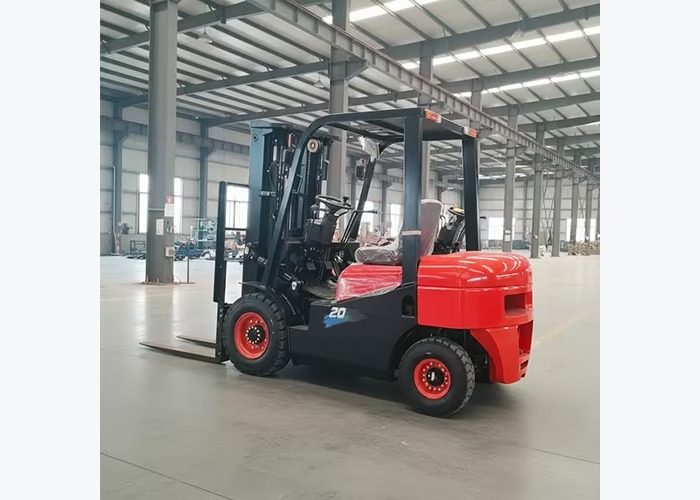
Standard trucks and customized trucks do not move through the factory at the same speed, so lead time should be reviewed together with the final build scope. This is a practical operating issue, not merely a specification detail. The OSHA powered industrial truck guidance provides useful context for the control principles behind this decision. In a real warehouse or yard, the condition should be reviewed with the actual load, route, battery routine, or placement task in mind. The main risk is that buyers may plan around an optimistic lead time that does not reflect the final specification. Supervisors and buyers should therefore connect the observation to the real job pattern before assuming a standard configuration will work.
A reliable next step is to confirm whether the quoted schedule assumes a standard unit, a custom mast, special tires, an attachment package, or export-specific packing. Record what was observed instead of relying on memory, because clear operating details make supplier discussions and internal decisions much faster. The relevant diesel forklift category can help translate the requirement into a machine option that fits the route more cleanly. Avoid solving the issue with assumptions or informal workarounds that only look acceptable in a short demonstration. As a decision rule, tie schedule commitments to the actual truck configuration and not to the simplest production case. That keeps the buying decision tied to the daily task rather than to a generic machine label.
Suppliers usually provide better diesel forklift recommendations when the request is complete, measured, and grounded in the real route. This is a practical operating issue, not merely a specification detail. The OSHA powered industrial truck standard provides useful context for the control principles behind this decision. In a real warehouse or yard, the condition should be reviewed with the actual load, route, battery routine, or placement task in mind. The main risk is that vague RFQs often produce vague quotations that are hard to compare fairly. Supervisors and buyers should therefore connect the observation to the real job pattern before assuming a standard configuration will work.
A reliable next step is to build the RFQ around load data, route photos, environment notes, lift height, attachment requirements, and required support expectations. Record what was observed instead of relying on memory, because clear operating details make supplier discussions and internal decisions much faster. The relevant VY-CPC20 diesel forklift can help translate the requirement into a machine option that fits the route more cleanly. Avoid solving the issue with assumptions or informal workarounds that only look acceptable in a short demonstration. As a decision rule, write the inquiry so the manufacturer can solve the job instead of guessing the job. That keeps the buying decision tied to the daily task rather than to a generic machine label.
What makes one diesel forklift manufacturer better than another? The difference is usually not only the truck itself. It is the supplier’s ability to answer specification questions clearly, support the order with documents and parts logic, and align the truck to the real workload.
Should I compare diesel forklift suppliers by price first? Price matters, but only after you confirm that the suppliers are quoting the same capacity class, mast, tires, attachments, and delivery scope.
Why is export packing part of the manufacturer checklist? Because shipment method, protection, and document accuracy all affect whether the truck arrives ready to commission without avoidable damage or missing information.
Watch a related diesel forklift video here: https://www.youtube.com/watch?v=9claJrsFw0c.

A strong diesel forklift manufacturer checklist keeps the order tied to the job instead of to a generic catalog comparison.
The best supplier is the one that connects specification, factory communication, documents, support, and export handling into one clear buying process. When those pieces are organized early, the truck that arrives is much more likely to match the real yard or warehouse workload without expensive surprises.
For a more accurate recommendation, send VARYON your load details, lift height, route photos, attachment needs, and shipment expectations before requesting the final diesel forklift quote.