Get in touch
* Your personal information is securely protected and will only be used for business communication purposes.

A diesel forklift mast choice can look simple until the truck has to enter a container, clear a doorway, or stack in a yard where height and visibility both matter. Buyers often compare duplex and triplex masts as though the answer is only about maximum lift height. In practice, the better choice depends on collapsed height, free lift, route restrictions, operator sightline, load type, and how often the truck must move between container-facing work and open stacking work.
This guide is written for buyers and supervisors choosing a diesel forklift for container loading, warehouse transfer, or outdoor yard stacking. The goal is to make the mast decision practical. A mast that looks impressive on a specification sheet can still be the wrong answer if it complicates entry clearance, reduces visibility more than the route can tolerate, or adds capability that the site will rarely use.
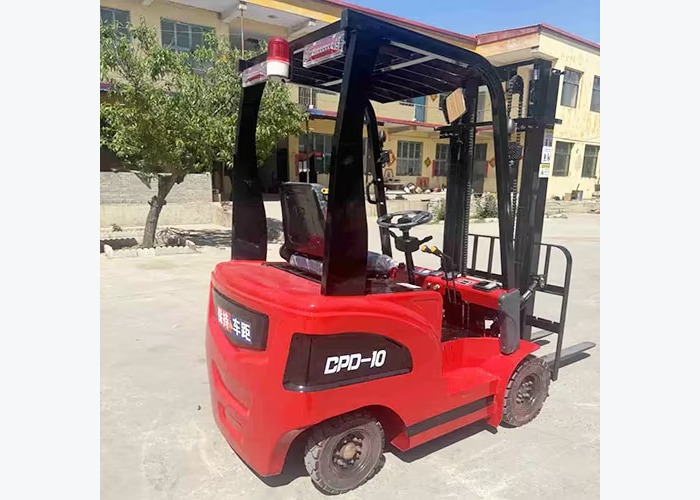
The duplex versus triplex mast decision starts with understanding that the comparison is really about stage count, free lift behavior, collapsed height, and how the mast behaves in the route. Guidance such as OSHA powered industrial truck standard is useful because it keeps the review tied to real operating control rather than to vague habit. In a working warehouse or yard, the checklist should reflect the actual route, load, charger routine, or placement task the machine will face. The main risk is that buyers may compare only lift height and miss the mast behavior that changes how the truck enters a container or works under a beam. That is why the check should be explained in terms the operator and supervisor can both act on immediately.
A practical next step is to review how many lift stages the mast uses, what the collapsed height is, and whether the truck must raise the forks before the full mast extends upward. Keep the observation concrete instead of relying on memory, because specific notes make maintenance and supervision faster. The relevant Diesel Forklift category can also help turn the observation into a product or application discussion that fits the site more cleanly. As a decision rule, treat mast architecture as a route-fit decision instead of as a simple upgrade list. That keeps the inspection connected to the daily task instead of turning it into a generic routine.
A mast that lifts high enough still fails the route if the closed height cannot enter the container, doorway, or covered loading position cleanly. Guidance such as OSHA powered industrial truck nameplate guidance is useful because it keeps the review tied to real operating control rather than to vague habit. In a working warehouse or yard, the checklist should reflect the actual route, load, charger routine, or placement task the machine will face. The main risk is that the truck may look correct on paper and still lose value immediately because it cannot enter the working space without repeated workarounds. That is why the check should be explained in terms the operator and supervisor can both act on immediately.
A practical next step is to measure the real entry clearance at containers, doors, canopies, and transfer points before selecting between duplex and triplex options. Keep the observation concrete instead of relying on memory, because specific notes make maintenance and supervision faster. The relevant VY-CPC35 diesel forklift can also help turn the observation into a product or application discussion that fits the site more cleanly. As a decision rule, treat collapsed mast height as a hard operating requirement whenever the route crosses low-clearance access points. That keeps the inspection connected to the daily task instead of turning it into a generic routine.
Triplex masts often become attractive because they can support higher stacking needs, but added height should be justified by real storage tasks rather than by abstract preference. Guidance such as OSHA powered industrial truck attachments guidance is useful because it keeps the review tied to real operating control rather than to vague habit. In a working warehouse or yard, the checklist should reflect the actual route, load, charger routine, or placement task the machine will face. The main risk is that buyers may order a higher mast for comfort and then pay for complexity that the route rarely uses. That is why the check should be explained in terms the operator and supervisor can both act on immediately.
A practical next step is to compare the actual top storage level, pallet height, load stability, and how often the site truly needs the extra reach during normal work. Keep the observation concrete instead of relying on memory, because specific notes make maintenance and supervision faster. The relevant VY-CPC50 diesel forklift can also help turn the observation into a product or application discussion that fits the site more cleanly. As a decision rule, choose additional height only when the daily stacking plan genuinely requires it and the rest of the route supports it safely. That keeps the inspection connected to the daily task instead of turning it into a generic routine.
Container-facing work puts more weight on collapsed height and on how confidently the operator can approach, enter, and lift without roof clearance problems. Guidance such as CCOHS forklift load handling is useful because it keeps the review tied to real operating control rather than to vague habit. In a working warehouse or yard, the checklist should reflect the actual route, load, charger routine, or placement task the machine will face. The main risk is that a mast that works well in an open yard can still be awkward for container entry if the geometry is not reviewed early. That is why the check should be explained in terms the operator and supervisor can both act on immediately.
A practical next step is to check container opening height, threshold conditions, and whether the work requires partial lift inside the container before the truck exits to full stacking space. Keep the observation concrete instead of relying on memory, because specific notes make maintenance and supervision faster. The relevant Diesel Forklift Container Loading Guide can also help turn the observation into a product or application discussion that fits the site more cleanly. As a decision rule, prioritize container-fit evidence when the truck will spend meaningful time loading or unloading enclosed units. That keeps the inspection connected to the daily task instead of turning it into a generic routine.
The practical difference between mast formats often becomes clear when the truck has to raise a pallet within a space where overhead travel is restricted. Guidance such as HSE loading and unloading guidance is useful because it keeps the review tied to real operating control rather than to vague habit. In a working warehouse or yard, the checklist should reflect the actual route, load, charger routine, or placement task the machine will face. The main risk is that buyers may overlook the point where lift behavior inside the space matters more than full extension outside it. That is why the check should be explained in terms the operator and supervisor can both act on immediately.
A practical next step is to review whether the application needs low-clearance lifting inside trailers, containers, mezzanine approaches, or areas with overhead obstructions. Keep the observation concrete instead of relying on memory, because specific notes make maintenance and supervision faster. The relevant Diesel Forklift Ramp Safety Guide can also help turn the observation into a product or application discussion that fits the site more cleanly. As a decision rule, match the mast to the exact point where the load first needs to rise, not only to the final storage height. That keeps the inspection connected to the daily task instead of turning it into a generic routine.
Mast choice affects what the operator sees through the load path, particularly when the truck repeats precise placement, container work, or mixed pedestrian routes. Guidance such as HSE managing lift trucks is useful because it keeps the review tied to real operating control rather than to vague habit. In a working warehouse or yard, the checklist should reflect the actual route, load, charger routine, or placement task the machine will face. The main risk is that a mast can solve a height problem while introducing a visibility burden the site never evaluated honestly. That is why the check should be explained in terms the operator and supervisor can both act on immediately.
A practical next step is to compare the route’s visibility demands, the load profile, and how often the operator needs a clear forward line while traveling or aligning pallets. Keep the observation concrete instead of relying on memory, because specific notes make maintenance and supervision faster. The relevant Diesel Counterbalance Forklift Guide can also help turn the observation into a product or application discussion that fits the site more cleanly. As a decision rule, keep sightline quality in the same conversation as height and clearance instead of treating it as an afterthought. That keeps the inspection connected to the daily task instead of turning it into a generic routine.
A mast decision should not be separated from attachment plans because clamps, side shifters, long forks, and unusual loads can change how the truck behaves at height. Guidance such as OSHA powered industrial truck standard is useful because it keeps the review tied to real operating control rather than to vague habit. In a working warehouse or yard, the checklist should reflect the actual route, load, charger routine, or placement task the machine will face. The main risk is that buyers may pick the mast first and discover later that the attachment package changes stability expectations and the height plan. That is why the check should be explained in terms the operator and supervisor can both act on immediately.
A practical next step is to confirm the intended attachment set, load center, and real pallet shape before finalizing the mast configuration. Keep the observation concrete instead of relying on memory, because specific notes make maintenance and supervision faster. The relevant contact the VARYON team can also help turn the observation into a product or application discussion that fits the site more cleanly. As a decision rule, judge mast type within the full truck configuration rather than as an isolated choice. That keeps the inspection connected to the daily task instead of turning it into a generic routine.
Outdoor stacking, ramp approaches, and mixed transfer routes can shift the recommendation because the truck has to balance height need, travel visibility, and route simplicity. Guidance such as OSHA powered industrial truck nameplate guidance is useful because it keeps the review tied to real operating control rather than to vague habit. In a working warehouse or yard, the checklist should reflect the actual route, load, charger routine, or placement task the machine will face. The main risk is that the site may optimize for one route segment and end up with a mast that is less comfortable on the broader daily pattern. That is why the check should be explained in terms the operator and supervisor can both act on immediately.
A practical next step is to compare whether the truck spends more time stacking high outdoors, entering containers, or traveling openly between staging points. Keep the observation concrete instead of relying on memory, because specific notes make maintenance and supervision faster. The relevant Diesel Forklift category can also help turn the observation into a product or application discussion that fits the site more cleanly. As a decision rule, choose the mast that best fits the dominant daily route rather than the rarest edge case. That keeps the inspection connected to the daily task instead of turning it into a generic routine.
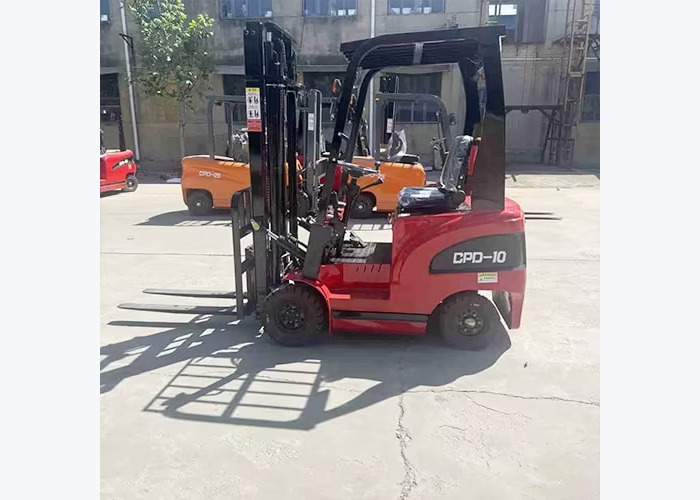
Suppliers can recommend a better mast when the site sends route dimensions instead of only asking for a general diesel forklift quote. Guidance such as OSHA powered industrial truck attachments guidance is useful because it keeps the review tied to real operating control rather than to vague habit. In a working warehouse or yard, the checklist should reflect the actual route, load, charger routine, or placement task the machine will face. The main risk is that buyers may receive a generic configuration because they described only capacity and not the spatial limits that actually decide mast type. That is why the check should be explained in terms the operator and supervisor can both act on immediately.
A practical next step is to provide lift height target, collapsed-height limit, doorway or container dimensions, attachment plan, and whether free lift is needed in low-clearance work. Keep the observation concrete instead of relying on memory, because specific notes make maintenance and supervision faster. The relevant VY-CPC35 diesel forklift can also help turn the observation into a product or application discussion that fits the site more cleanly. As a decision rule, turn mast selection into a measurement-based request so the quote reflects the real working geometry. That keeps the inspection connected to the daily task instead of turning it into a generic routine.
The best mast choice usually comes from a few route questions answered honestly rather than from assuming the more complex option must be better. Guidance such as CCOHS forklift load handling is useful because it keeps the review tied to real operating control rather than to vague habit. In a working warehouse or yard, the checklist should reflect the actual route, load, charger routine, or placement task the machine will face. The main risk is that teams may let habit or sales language decide the mast even though the route measurements already point to the better answer. That is why the check should be explained in terms the operator and supervisor can both act on immediately.
A practical next step is to compare closed-height limits, final lift height, visibility, container use, attachment plans, and how often each operating condition appears during the week. Keep the observation concrete instead of relying on memory, because specific notes make maintenance and supervision faster. The relevant VY-CPC50 diesel forklift can also help turn the observation into a product or application discussion that fits the site more cleanly. As a decision rule, place the order only after the mast choice is clearly tied to the real route and storage task. That keeps the inspection connected to the daily task instead of turning it into a generic routine.
Is a triplex mast always better for warehouse work? No. It can be valuable when higher lift or low-clearance lift behavior is needed, but it should still be justified by the actual route and height requirement.
Can a duplex mast still work for container loading? Yes, when the container, door height, and lift pattern support it. The key is checking closed height and how the load must be raised during entry and exit.
How does mast choice affect visibility and stability? Mast design influences the operator’s forward view and interacts with load center, attachment plans, and height usage. Those factors should be reviewed together, not separately.
Watch a related diesel forklift video here: https://www.youtube.com/watch?v=Pn4j5k7LRQI.

Duplex versus triplex is not a purely technical preference. It is a route decision built around collapsed height, lift height, visibility, container access, and how often the truck must work in each condition.
The better mast is the one that fits the geometry and the daily task with the least compromise. When the measurements are clear, the mast choice usually becomes much easier than buyers expect.
If you want VARYON to review the mast decision, send required lift height, door or container clearance, attachment plans, and the proportion of container work versus yard stacking in your route.