Get in touch
* Your personal information is securely protected and will only be used for business communication purposes.

A used diesel forklift can look like a good deal long before anyone verifies whether the mast, forks, hydraulic system, and service history still match the route it will enter. Buyers often compare sticker price and hour meter first because those details are easy to discuss. The higher-cost mistakes usually come from the things that were not checked: chain wear, fork heel loss, hidden leaks, attachment history, and a truck that only looks acceptable when it is parked.
This guide is written for procurement teams, rental buyers, and warehouse supervisors who need a repeatable inspection standard before comparing price, hours, and attachment packages. The goal is not to turn every buyer into a mechanic. The goal is to give the site a practical checklist that separates a usable truck from a cheap truck that will absorb labor, repair time, and avoidable downtime immediately after delivery.
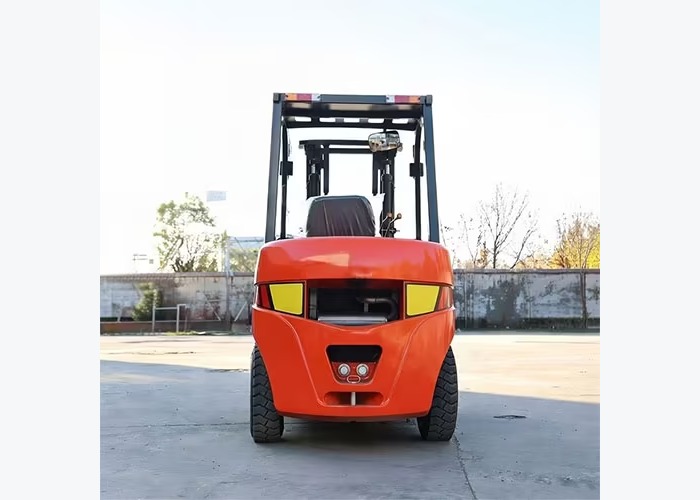
A used diesel forklift should be judged by the pallet weight, mast height, surface condition, and travel pattern it will actually handle after purchase rather than by the short sales note in a listing. Guidance such as CCOHS forklift daily checks is useful because it keeps the review tied to real operating control rather than to vague habit. In a working warehouse or yard, the checklist should reflect the actual route, load, charger routine, or placement task the machine will face. The main risk is that buyers may approve a truck that sounds acceptable in general terms but is already mismatched to the route it must support. That is why the check should be explained in terms the operator and supervisor can both act on immediately.
A practical next step is to write down the real load range, lift height, attachment need, yard surface, and travel distance before the site compares one used truck with another. Keep the observation concrete instead of relying on memory, because specific notes make maintenance and supervision faster. The relevant Diesel Forklift category can also help turn the observation into a product or application discussion that fits the site more cleanly. As a decision rule, reject a quote early when the truck specification does not fit the daily work even if the price looks attractive. That keeps the inspection connected to the daily task instead of turning it into a generic routine.
Wear in the mast area often decides whether the truck will keep lifting smoothly and safely under everyday warehouse or yard demand. Guidance such as CCOHS forklift maintenance is useful because it keeps the review tied to real operating control rather than to vague habit. In a working warehouse or yard, the checklist should reflect the actual route, load, charger routine, or placement task the machine will face. The main risk is that buyers may focus on paint and body condition while the real wear is sitting in the parts that carry the load every shift. That is why the check should be explained in terms the operator and supervisor can both act on immediately.
A practical next step is to inspect the mast channels for scoring, check rollers for uneven movement, and look at lift chains for stretch, corrosion, or poor adjustment before treating the truck as ready. Keep the observation concrete instead of relying on memory, because specific notes make maintenance and supervision faster. The relevant VY-CPC35 diesel forklift can also help turn the observation into a product or application discussion that fits the site more cleanly. As a decision rule, treat obvious mast or chain wear as a cost and risk issue, not as a cosmetic issue to revisit later. That keeps the inspection connected to the daily task instead of turning it into a generic routine.
Hydraulic leakage on a used diesel forklift can appear minor during a quick walk-around but still become a daily operating and cleanup problem once the truck returns to work. Guidance such as CCOHS fork safety is useful because it keeps the review tied to real operating control rather than to vague habit. In a working warehouse or yard, the checklist should reflect the actual route, load, charger routine, or placement task the machine will face. The main risk is that a truck may pass a casual inspection and then start losing time every day because the leak was visible but not taken seriously. That is why the check should be explained in terms the operator and supervisor can both act on immediately.
A practical next step is to look around tilt cylinders, lift cylinders, hose joints, the valve block, and underbody areas for wetness, residue, and signs that leaks were recently wiped down. Keep the observation concrete instead of relying on memory, because specific notes make maintenance and supervision faster. The relevant VY-CPC50 diesel forklift can also help turn the observation into a product or application discussion that fits the site more cleanly. As a decision rule, hold the purchase when leaks suggest neglected maintenance or when the seller cannot explain the repair history clearly. That keeps the inspection connected to the daily task instead of turning it into a generic routine.
Forks and the carriage deserve direct attention because they control how the pallet is really picked, supported, and kept stable. Guidance such as OSHA powered industrial truck standard is useful because it keeps the review tied to real operating control rather than to vague habit. In a working warehouse or yard, the checklist should reflect the actual route, load, charger routine, or placement task the machine will face. The main risk is that a buyer may trust that the truck still lifts while missing the fact that the pallet is already being carried by worn or misaligned forks. That is why the check should be explained in terms the operator and supervisor can both act on immediately.
A practical next step is to check fork heel wear, compare both fork tips for level alignment, inspect locking points, and watch for carriage looseness or impact damage from repeated rough handling. Keep the observation concrete instead of relying on memory, because specific notes make maintenance and supervision faster. The relevant Diesel Forklift Manufacturer Checklist can also help turn the observation into a product or application discussion that fits the site more cleanly. As a decision rule, treat fork wear as a go or no-go factor when the remaining section or alignment no longer supports dependable pallet entry and stability. That keeps the inspection connected to the daily task instead of turning it into a generic routine.
A used forklift that looks workable while parked can still be expensive once tire condition, steering play, and braking behavior are tested under route conditions. Guidance such as OSHA forklift attachments guidance is useful because it keeps the review tied to real operating control rather than to vague habit. In a working warehouse or yard, the checklist should reflect the actual route, load, charger routine, or placement task the machine will face. The main risk is that buyers may accept the truck based on engine operation alone and discover later that daily control and stopping feel are already poor. That is why the check should be explained in terms the operator and supervisor can both act on immediately.
A practical next step is to check tire wear patterns, listen for steering noise, confirm brake response, and compare what the truck does in motion against what the route demands in ramps, docks, or yard turns. Keep the observation concrete instead of relying on memory, because specific notes make maintenance and supervision faster. The relevant Diesel Forklift Daily Inspection Checklist can also help turn the observation into a product or application discussion that fits the site more cleanly. As a decision rule, treat control-response defects as operating risk and budget impact rather than as small cleanup items after purchase. That keeps the inspection connected to the daily task instead of turning it into a generic routine.
Engine hours are useful only when they are interpreted with maintenance history, route type, and how hard the truck was previously worked. Guidance such as HSE managing lift trucks is useful because it keeps the review tied to real operating control rather than to vague habit. In a working warehouse or yard, the checklist should reflect the actual route, load, charger routine, or placement task the machine will face. The main risk is that a low hour figure can create false confidence when the truck had poor maintenance or hard intermittent yard use that the number does not explain. That is why the check should be explained in terms the operator and supervisor can both act on immediately.
A practical next step is to ask for service logs, filter and fluid history, major repair notes, and evidence of how the truck was used instead of trusting the meter by itself. Keep the observation concrete instead of relying on memory, because specific notes make maintenance and supervision faster. The relevant Diesel Counterbalance Forklift Guide can also help turn the observation into a product or application discussion that fits the site more cleanly. As a decision rule, treat undocumented hours as incomplete evidence and price the risk accordingly instead of assuming the lowest number is the best value. That keeps the inspection connected to the daily task instead of turning it into a generic routine.
Attachments change how a diesel forklift works, and a used truck may have spent years carrying clamps, side shifters, or special loads that altered wear and capacity assumptions. Guidance such as CCOHS forklift daily checks is useful because it keeps the review tied to real operating control rather than to vague habit. In a working warehouse or yard, the checklist should reflect the actual route, load, charger routine, or placement task the machine will face. The main risk is that buyers may inherit hidden wear or the wrong capacity expectation because they never asked how the truck was previously configured. That is why the check should be explained in terms the operator and supervisor can both act on immediately.
A practical next step is to review what attachments were fitted, whether extra hydraulics were added, and whether the rating information still reflects the current mast and carriage setup. Keep the observation concrete instead of relying on memory, because specific notes make maintenance and supervision faster. The relevant contact the VARYON team can also help turn the observation into a product or application discussion that fits the site more cleanly. As a decision rule, pause the deal until the attachment history and current rating information are coherent and support the next application safely. That keeps the inspection connected to the daily task instead of turning it into a generic routine.
A used diesel forklift should be observed from start-up through basic operating temperature because many warning signs appear before any pallet is moved. Guidance such as CCOHS forklift maintenance is useful because it keeps the review tied to real operating control rather than to vague habit. In a working warehouse or yard, the checklist should reflect the actual route, load, charger routine, or placement task the machine will face. The main risk is that a seller may show the truck only after it is warm and hide symptoms that matter to the next owner in daily first-shift starts. That is why the check should be explained in terms the operator and supervisor can both act on immediately.
A practical next step is to start the truck from cold when possible, listen for uneven idle, watch smoke behavior, and monitor whether the engine and cooling system settle normally. Keep the observation concrete instead of relying on memory, because specific notes make maintenance and supervision faster. The relevant Diesel Forklift category can also help turn the observation into a product or application discussion that fits the site more cleanly. As a decision rule, treat unstable start-up or cooling behavior as a sign to investigate the engine and maintenance history more deeply before approving the truck. That keeps the inspection connected to the daily task instead of turning it into a generic routine.
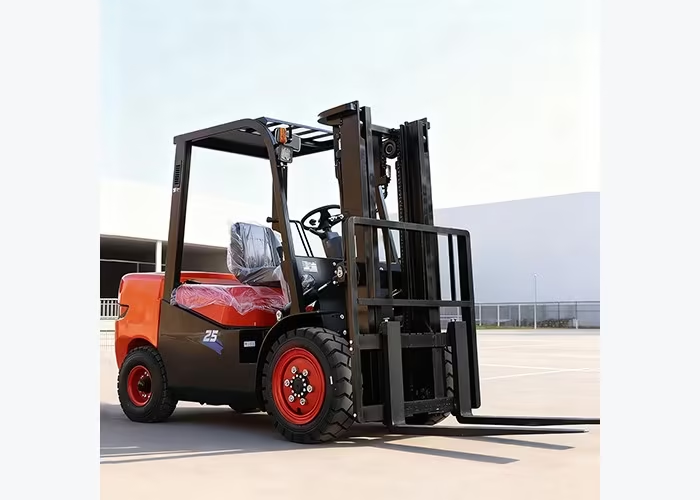
A used forklift inspection should include how the truck behaves under a practical load because empty movement hides many handling problems. Guidance such as CCOHS fork safety is useful because it keeps the review tied to real operating control rather than to vague habit. In a working warehouse or yard, the checklist should reflect the actual route, load, charger routine, or placement task the machine will face. The main risk is that buyers may approve a truck that feels fine empty but becomes rough, slow, or unstable as soon as it carries the type of load it was bought for. That is why the check should be explained in terms the operator and supervisor can both act on immediately.
A practical next step is to run a short lift, travel, tilt, and lowering test with a realistic pallet so the site can observe mast smoothness, brake feel, steering control, and engine response under work. Keep the observation concrete instead of relying on memory, because specific notes make maintenance and supervision faster. The relevant VY-CPC35 diesel forklift can also help turn the observation into a product or application discussion that fits the site more cleanly. As a decision rule, treat the loaded test as mandatory evidence when the site wants a truck ready for immediate work rather than a repair project. That keeps the inspection connected to the daily task instead of turning it into a generic routine.
The final buying decision should compare repair exposure, downtime risk, and route fit instead of celebrating the lowest initial figure. Guidance such as OSHA powered industrial truck standard is useful because it keeps the review tied to real operating control rather than to vague habit. In a working warehouse or yard, the checklist should reflect the actual route, load, charger routine, or placement task the machine will face. The main risk is that buyers may save money on the invoice and lose it immediately through corrective work, poor reliability, and a truck that never truly fits the application. That is why the check should be explained in terms the operator and supervisor can both act on immediately.
A practical next step is to add the likely first repairs, consumables, operator disruption, and parts lead time into the comparison before final approval is given. Keep the observation concrete instead of relying on memory, because specific notes make maintenance and supervision faster. The relevant VY-CPC50 diesel forklift can also help turn the observation into a product or application discussion that fits the site more cleanly. As a decision rule, buy only when the truck can enter service with a clear inspection outcome and a realistic cost picture for the first months of use. That keeps the inspection connected to the daily task instead of turning it into a generic routine.
What is the most important thing to inspect on a used diesel forklift? There is no single item, but mast wear, fork condition, leak evidence, and how the truck behaves under a realistic load usually tell buyers more than paint or meter hours alone.
How much fork wear is too much on a used forklift? The site should compare the forks against a proper inspection standard and remove guesswork. Visible wear, bending, poor alignment, or locking problems should be treated seriously before purchase.
Should I trust engine hours alone when comparing used forklifts? No. Hours are useful only when combined with service history, attachment history, and route conditions that explain how the truck was actually used.
Watch a related diesel forklift video here: https://www.youtube.com/watch?v=9claJrsFw0c.

A good used diesel forklift inspection is not a search for one dramatic defect. It is a practical review of whether the truck’s mast, forks, hydraulics, controls, engine behavior, and route fit still support dependable daily work.
Price and hour meter readings matter, but they should never outrank evidence from the mast, leaks, fork wear, attachment history, and a realistic load test. That is where the real operating risk usually appears.
If you want VARYON to help compare a used truck against a new or export-ready option, send photos, load weights, mast height requirements, attachment plans, and the inspection notes from your site.