Get in touch
* Your personal information is securely protected and will only be used for business communication purposes.

A diesel forklift should not be released just because it started normally yesterday. Outdoor dust, pallet contact, curb strikes, uneven yard travel, and repeated heavy handling can all change the truck condition between shifts. A disciplined daily inspection is therefore a release decision, not a paperwork ritual.
This checklist is built for supervisors, operators, and maintenance leads who need a practical way to catch leaks, tire damage, fork wear, mast problems, brake issues, and basic control faults before the truck enters the route. The goal is to make the pre-shift check fast, repeatable, and specific enough to prevent small issues from becoming load-handling failures later in the day.
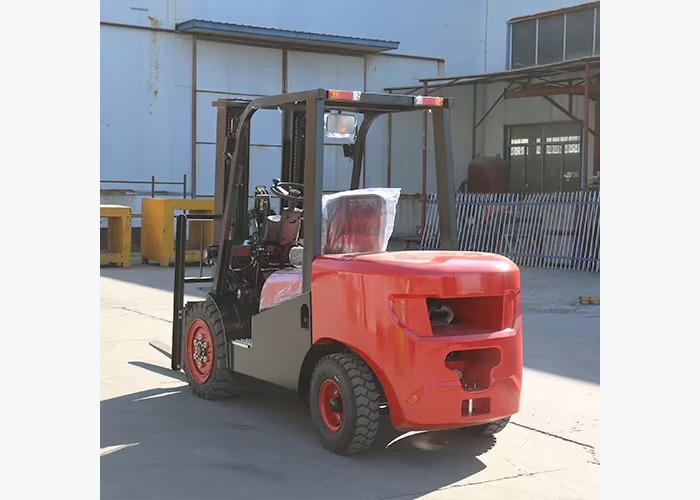
A good diesel forklift daily inspection begins with the actual task, because the right release decision depends on where the truck is going, what it will carry, and how demanding the route will be. A truck that looked acceptable for light pallet transfer may not be ready for yard ramps, long travel, or heavy repeat loads. The relevant route and load picture gives context to every check that follows. Guidance such as OSHA powered industrial trucks standard is useful because it keeps the review tied to real operating control rather than to vague habit. In a working warehouse or yard, the checklist should reflect the actual route, load, charger routine, or placement task the machine will face. The main risk is that a checklist becomes shallow when it ignores the real duty planned for that shift. That is why the check should be explained in terms the operator and supervisor can both act on immediately.
A practical next step is to review the heaviest repeatable load, the roughest regular surface, and the longest route segment before starting the walk-around. Keep the observation concrete instead of relying on memory, because specific notes make maintenance and supervision faster. The relevant Diesel Forklift category can also help turn the observation into a product or application discussion that fits the site more cleanly. As a decision rule, treat the route and load as the context for the release decision. That keeps the inspection connected to the daily task instead of turning it into a generic routine.
Leaks are one of the easiest pre-use defects to miss because they often appear first as a small wet patch, dark dust line, or drip trail under the engine, mast, or hydraulic area. Those traces matter because a truck can still start and move while losing oil, fuel, coolant, or hydraulic fluid that will later affect reliability or control. A slow leak discovered early is much cheaper than a field breakdown. Guidance such as OSHA powered industrial trucks eTool is useful because it keeps the review tied to real operating control rather than to vague habit. In a working warehouse or yard, the checklist should reflect the actual route, load, charger routine, or placement task the machine will face. The main risk is that operators often trust yesterday’s condition and miss a new overnight leak. That is why the check should be explained in terms the operator and supervisor can both act on immediately.
A practical next step is to check under the parked truck, around hose connections, near the mast base, and inside the engine-bay access points for fresh wetness or sticky debris. Keep the observation concrete instead of relying on memory, because specific notes make maintenance and supervision faster. The relevant VY-CPC35 diesel forklift can also help turn the observation into a product or application discussion that fits the site more cleanly. As a decision rule, flag the source of any new leak before the truck is released. That keeps the inspection connected to the daily task instead of turning it into a generic routine.
Tire condition changes how the forklift behaves long before a catastrophic failure happens. Cuts, chunking, low pneumatic pressure, embedded debris, wheel-nut issues, and abnormal wear can all reduce stability or make steering corrections less predictable on rougher yard surfaces. Because tire problems influence the whole truck attitude, they should be checked before the operator climbs into the seat. Guidance such as CCOHS daily forklift checks is useful because it keeps the review tied to real operating control rather than to vague habit. In a working warehouse or yard, the checklist should reflect the actual route, load, charger routine, or placement task the machine will face. The main risk is that teams sometimes focus on engine checks while ignoring the parts that physically support the load. That is why the check should be explained in terms the operator and supervisor can both act on immediately.
A practical next step is to walk each tire and wheel position, compare sidewalls and tread condition, and note whether the wear pattern matches the route surface actually used by the truck. Keep the observation concrete instead of relying on memory, because specific notes make maintenance and supervision faster. The relevant VY-CPC50 diesel forklift can also help turn the observation into a product or application discussion that fits the site more cleanly. As a decision rule, judge tire readiness against the hardest regular surface, not the smoothest floor nearby. That keeps the inspection connected to the daily task instead of turning it into a generic routine.
Forks do the visible lifting, but the daily issue is not only whether the truck can raise them. The question is whether the forks still provide consistent support without hidden bend, heel wear, tip damage, or insecure locking. Small changes at the fork can turn into unstable pallet entry, uneven support, or product damage during the shift. Guidance such as CCOHS fork safety is useful because it keeps the review tied to real operating control rather than to vague habit. In a working warehouse or yard, the checklist should reflect the actual route, load, charger routine, or placement task the machine will face. The main risk is that because forks are familiar, operators may stop looking closely at them. That is why the check should be explained in terms the operator and supervisor can both act on immediately.
A practical next step is to check both forks for visible straightness, heel wear, cracks, damaged tips, and proper pin or retaining engagement before the first pallet is handled. Keep the observation concrete instead of relying on memory, because specific notes make maintenance and supervision faster. The relevant Diesel Forklift Maintenance Checklist for Outdoor Yards and Heavy Loads can also help turn the observation into a product or application discussion that fits the site more cleanly. As a decision rule, treat fork condition as a load-support check rather than as a quick glance item. That keeps the inspection connected to the daily task instead of turning it into a generic routine.
The mast assembly should move smoothly and predictably, especially on trucks that handle repeated yard lifting or higher placements. Dirty or damaged rollers, dry-looking chains, visible hose abrasion, and unusual mast play can all signal a truck that will feel rough or inconsistent once the load comes off the ground. These are not fine-print maintenance details. They directly affect lift confidence. Guidance such as CDC daily powered industrial truck inspection guidance is useful because it keeps the review tied to real operating control rather than to vague habit. In a working warehouse or yard, the checklist should reflect the actual route, load, charger routine, or placement task the machine will face. The main risk is that mast issues are often tolerated until lift quality becomes obviously poor. That is why the check should be explained in terms the operator and supervisor can both act on immediately.
A practical next step is to scan chains, rollers, hose runs, mast channels, and attachment points for damage, dryness, unusual slack, or rubbing marks that were not present previously. Keep the observation concrete instead of relying on memory, because specific notes make maintenance and supervision faster. The relevant Diesel Forklift Tire Selection Guide for Pneumatic, Solid, and Yard Surfaces can also help turn the observation into a product or application discussion that fits the site more cleanly. As a decision rule, use the daily check to catch visible mast wear before it becomes a lift problem. That keeps the inspection connected to the daily task instead of turning it into a generic routine.
The seat, restraint, mirrors, steps, and control area influence whether the operator can stay stable and deliberate when the truck hits rough spots or repeated stop-start traffic. A slippery step, loose seat condition, blocked pedal zone, or poor mirror position can turn a normally manageable route into a rushed or awkward one. Daily inspections should therefore include the operator environment, not only the mechanical package. Guidance such as HSE managing lift trucks is useful because it keeps the review tied to real operating control rather than to vague habit. In a working warehouse or yard, the checklist should reflect the actual route, load, charger routine, or placement task the machine will face. The main risk is that a forklift can be mechanically functional while still being poorly set up for controlled operation. That is why the check should be explained in terms the operator and supervisor can both act on immediately.
A practical next step is to check step grip, seat condition, belt function, pedal feel, parking brake engagement point, mirrors, and whether loose objects are sitting in the operator zone. Keep the observation concrete instead of relying on memory, because specific notes make maintenance and supervision faster. The relevant contact the VARYON team can also help turn the observation into a product or application discussion that fits the site more cleanly. As a decision rule, release the truck only when the operator area supports stable, repeatable use. That keeps the inspection connected to the daily task instead of turning it into a generic routine.
A diesel forklift often announces problems during start-up before it shows them on the route. Hard starting, unusual smoke, persistent warning lamps, weak battery response, or abnormal gauge movement can all point to a truck that should be reviewed before work starts. Those clues are especially useful because they appear with no load on the machine, which makes them cheaper to investigate. Guidance such as OSHA powered industrial trucks standard is useful because it keeps the review tied to real operating control rather than to vague habit. In a working warehouse or yard, the checklist should reflect the actual route, load, charger routine, or placement task the machine will face. The main risk is that operators under schedule pressure may normalize poor start-up behavior. That is why the check should be explained in terms the operator and supervisor can both act on immediately.
A practical next step is to start the truck deliberately and observe whether warning lights clear normally, gauges stabilize, and the engine idles without unusual hesitation or smoke. Keep the observation concrete instead of relying on memory, because specific notes make maintenance and supervision faster. The relevant Diesel Forklift category can also help turn the observation into a product or application discussion that fits the site more cleanly. As a decision rule, treat abnormal start-up behavior as a release question instead of a background annoyance. That keeps the inspection connected to the daily task instead of turning it into a generic routine.
Basic control functions deserve a real functional test before the forklift enters shared traffic or yard travel. Brake feel, steering response, reverse alarm, horn, lights, and parking-brake hold all affect how predictably the truck can be controlled around pallets, trailers, and pedestrians. This is where a defect becomes an operating risk instead of just a maintenance note. Guidance such as OSHA powered industrial trucks eTool is useful because it keeps the review tied to real operating control rather than to vague habit. In a working warehouse or yard, the checklist should reflect the actual route, load, charger routine, or placement task the machine will face. The main risk is that if the control test is skipped, the first true check may happen under load or in traffic. That is why the check should be explained in terms the operator and supervisor can both act on immediately.
A practical next step is to run a short no-load movement in a safe area and test steering response, normal braking, parking-brake holding, horn, lights, and reverse warning behavior. Keep the observation concrete instead of relying on memory, because specific notes make maintenance and supervision faster. The relevant VY-CPC35 diesel forklift can also help turn the observation into a product or application discussion that fits the site more cleanly. As a decision rule, perform the control test before the truck joins the route. That keeps the inspection connected to the daily task instead of turning it into a generic routine.
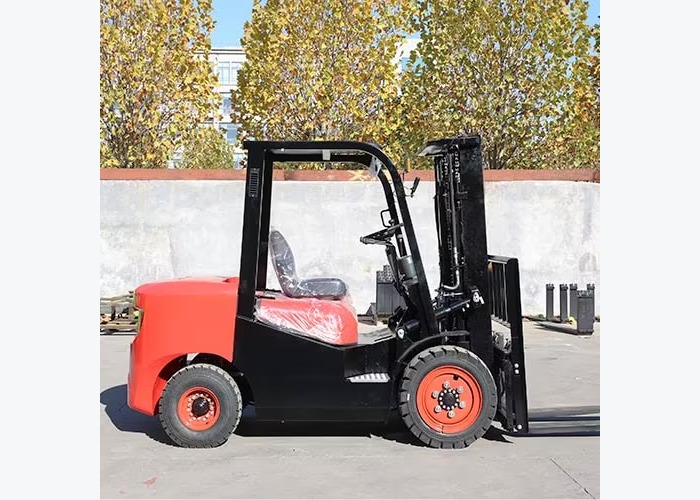
A diesel forklift should prove its basic hydraulic functions without waiting for the first full production lift. Slow response, jerky mast movement, unusual noises, drift, or weak tilt behavior can all show up during a brief unloaded or lightly loaded function check. Confirming those motions early prevents the route from becoming the test environment. Guidance such as CCOHS daily forklift checks is useful because it keeps the review tied to real operating control rather than to vague habit. In a working warehouse or yard, the checklist should reflect the actual route, load, charger routine, or placement task the machine will face. The main risk is that some teams assume lift function is fine as long as the mast moves at all. That is why the check should be explained in terms the operator and supervisor can both act on immediately.
A practical next step is to raise, lower, tilt, and if fitted side-shift the carriage through a controlled short cycle while listening for unusual sounds or inconsistent movement. Keep the observation concrete instead of relying on memory, because specific notes make maintenance and supervision faster. The relevant VY-CPC50 diesel forklift can also help turn the observation into a product or application discussion that fits the site more cleanly. As a decision rule, use a short functional cycle to confirm the mast feels normal before the first job. That keeps the inspection connected to the daily task instead of turning it into a generic routine.
The end of the checklist is not a signature line. It is the release decision. A good daily inspection separates acceptable wear from a condition that needs maintenance, monitoring, or immediate hold. The value comes from clear escalation, because vague notes allow the same defect to return on every shift without resolution. Guidance such as CCOHS fork safety is useful because it keeps the review tied to real operating control rather than to vague habit. In a working warehouse or yard, the checklist should reflect the actual route, load, charger routine, or placement task the machine will face. The main risk is that without a clear release decision, recurring faults stay in circulation. That is why the check should be explained in terms the operator and supervisor can both act on immediately.
A practical next step is to record the exact issue, the truck identity, and whether the truck is released, monitored, or held for service before the route begins. Keep the observation concrete instead of relying on memory, because specific notes make maintenance and supervision faster. The relevant Diesel Forklift Maintenance Checklist for Outdoor Yards and Heavy Loads can also help turn the observation into a product or application discussion that fits the site more cleanly. As a decision rule, finish the inspection with an explicit disposition, not just a completed form. That keeps the inspection connected to the daily task instead of turning it into a generic routine.
Why should a daily forklift inspection start with the route and load? Because the release decision depends on the actual task. A truck that is acceptable for light transfer may not be acceptable for heavy yard work or repeated rough-surface travel.
What is the most commonly missed issue in a diesel forklift pre-shift check? Small leaks and early tire or fork wear are often missed because the truck still starts and moves normally.
Should the operator report defects even if the truck still works? Yes. A daily inspection is meant to catch conditions before they become a breakdown, unstable lift, or control problem.
Watch a related diesel forklift video here: https://www.youtube.com/watch?v=jxSRUlbpBa8.

A strong diesel forklift daily inspection is brief, practical, and tied to the real route instead of to a generic form.
When leaks, tires, forks, mast components, controls, and release decisions are checked consistently, the site prevents many avoidable mid-shift failures.
For product-specific inspection questions or truck selection support, send the route details and load pattern to the VARYON team before the issue becomes a larger maintenance problem.