Get in touch
* Your personal information is securely protected and will only be used for business communication purposes.

Diesel forklift tire selection is one of those decisions that looks simple until the truck begins working across real yard surfaces. The tire package affects traction, steering confidence, vibration, braking, operator comfort, load stability, and maintenance cost. A truck with the right capacity can still feel wrong if the tires do not match the worst surface on the route.
This guide explains how buyers and supervisors can compare pneumatic, solid, and application-specific tire choices for diesel forklifts. It focuses on outdoor yards, loading docks, rough concrete, gravel, thresholds, wet areas, and mixed routes where tire behavior matters as much as engine power or mast height.
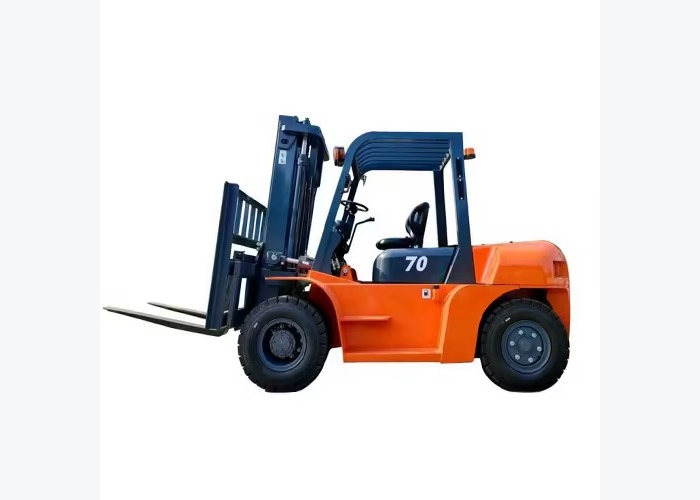
A diesel forklift should be specified for the roughest repeatable surface on the route rather than the cleanest concrete pad near the office. This is a practical operating issue, not merely a specification detail. The OSHA powered industrial truck guidance provides useful context for the control principles behind this decision. In a real warehouse or yard, the condition should be reviewed with the actual load, route, battery routine, or placement task in mind. The main risk is that buyers often choose tires for a showroom-like surface while the truck spends its hardest minutes somewhere else. Supervisors and buyers should therefore connect the observation to the real job pattern before assuming a standard configuration will work.
A reliable next step is to walk the full route under normal working conditions and mark potholes, broken concrete, dock plates, gravel areas, slopes, and wet patches. Record what was observed instead of relying on memory, because clear operating details make supplier discussions and internal decisions much faster. The relevant diesel forklift category can help translate the requirement into a machine option that fits the route more cleanly. Avoid solving the issue with assumptions or informal workarounds that only look acceptable in a short demonstration. As a decision rule, base the tire decision on the surface that creates the most risk or vibration. That keeps the buying decision tied to the daily task rather than to a generic machine label.
Pneumatic tires can improve ride comfort and traction when the forklift crosses uneven yards, packed gravel, or outdoor loading zones. This is a practical operating issue, not merely a specification detail. The OSHA powered industrial truck standard provides useful context for the control principles behind this decision. In a real warehouse or yard, the condition should be reviewed with the actual load, route, battery routine, or placement task in mind. The main risk is that a tire chosen only for smooth-floor durability may punish operators and cargo on rough outdoor routes. Supervisors and buyers should therefore connect the observation to the real job pattern before assuming a standard configuration will work.
A reliable next step is to review whether the route includes impact, stones, debris, and surface transitions that need more cushioning. Record what was observed instead of relying on memory, because clear operating details make supplier discussions and internal decisions much faster. The relevant VY-CPC35 diesel forklift can help translate the requirement into a machine option that fits the route more cleanly. Avoid solving the issue with assumptions or informal workarounds that only look acceptable in a short demonstration. As a decision rule, choose pneumatic tires when route shock and outdoor traction matter more than compact indoor turning. That keeps the buying decision tied to the daily task rather than to a generic machine label.
Solid tires are often attractive where puncture risk, high-cycle work, and cleaner paved surfaces dominate the application. This is a practical operating issue, not merely a specification detail. The OSHA forklift load-composition guidance provides useful context for the control principles behind this decision. In a real warehouse or yard, the condition should be reviewed with the actual load, route, battery routine, or placement task in mind. The main risk is that using solid tires on harsh surfaces can increase vibration and reduce operator confidence. Supervisors and buyers should therefore connect the observation to the real job pattern before assuming a standard configuration will work.
A reliable next step is to compare debris exposure, surface smoothness, turning frequency, and maintenance expectations before choosing solid tires. Record what was observed instead of relying on memory, because clear operating details make supplier discussions and internal decisions much faster. The relevant VY-CPC40 diesel forklift can help translate the requirement into a machine option that fits the route more cleanly. Avoid solving the issue with assumptions or informal workarounds that only look acceptable in a short demonstration. As a decision rule, use solid tires when the route is controlled enough to reward durability. That keeps the buying decision tied to the daily task rather than to a generic machine label.
Short impacts at dock plates, container transitions, and floor joints can expose poor tire fit even when the route looks acceptable from a distance. This is a practical operating issue, not merely a specification detail. The OSHA mast and hydraulic lift overview provides useful context for the control principles behind this decision. In a real warehouse or yard, the condition should be reviewed with the actual load, route, battery routine, or placement task in mind. The main risk is that repeated impacts can affect load control, comfort, and component wear. Supervisors and buyers should therefore connect the observation to the real job pattern before assuming a standard configuration will work.
A reliable next step is to observe how the truck crosses thresholds under load and whether the operator slows excessively to protect the pallet. Record what was observed instead of relying on memory, because clear operating details make supplier discussions and internal decisions much faster. The relevant VY-CPC50 diesel forklift can help translate the requirement into a machine option that fits the route more cleanly. Avoid solving the issue with assumptions or informal workarounds that only look acceptable in a short demonstration. As a decision rule, include transition points in the tire review rather than judging only open travel. That keeps the buying decision tied to the daily task rather than to a generic machine label.
A tire that performs well on dry concrete may behave differently on wet aprons, dusty yards, oily patches, or loose debris. This is a practical operating issue, not merely a specification detail. The NIOSH forklift safety guidance provides useful context for the control principles behind this decision. In a real warehouse or yard, the condition should be reviewed with the actual load, route, battery routine, or placement task in mind. The main risk is that assuming one dry-weather test represents the whole year can create surprises later. Supervisors and buyers should therefore connect the observation to the real job pattern before assuming a standard configuration will work.
A reliable next step is to review seasonal rain, cleaning routines, dust control, and the locations where pallets are staged outdoors. Record what was observed instead of relying on memory, because clear operating details make supplier discussions and internal decisions much faster. The relevant VY-CPC60 diesel forklift can help translate the requirement into a machine option that fits the route more cleanly. Avoid solving the issue with assumptions or informal workarounds that only look acceptable in a short demonstration. As a decision rule, match tire choice with housekeeping and weather exposure. That keeps the buying decision tied to the daily task rather than to a generic machine label.
The tire package affects vibration and truck attitude, which can matter when carrying tall, fragile, or uneven loads. This is a practical operating issue, not merely a specification detail. The CCOHS forklift safety guidance provides useful context for the control principles behind this decision. In a real warehouse or yard, the condition should be reviewed with the actual load, route, battery routine, or placement task in mind. The main risk is that teams may blame operators for unstable travel when the tire and surface combination is part of the problem. Supervisors and buyers should therefore connect the observation to the real job pattern before assuming a standard configuration will work.
A reliable next step is to identify loads that shift, lean, or vibrate during travel and compare that behavior against route surface and tire type. Record what was observed instead of relying on memory, because clear operating details make supplier discussions and internal decisions much faster. The relevant VY-CPC80 diesel forklift can help translate the requirement into a machine option that fits the route more cleanly. Avoid solving the issue with assumptions or informal workarounds that only look acceptable in a short demonstration. As a decision rule, treat load behavior as a tire-selection signal. That keeps the buying decision tied to the daily task rather than to a generic machine label.
Uneven wear, chunking, side damage, and flat spots can reveal turning habits, surface hazards, overloading, or incorrect application fit. This is a practical operating issue, not merely a specification detail. The HSE lift-truck training guidance provides useful context for the control principles behind this decision. In a real warehouse or yard, the condition should be reviewed with the actual load, route, battery routine, or placement task in mind. The main risk is that replacing tires without finding the cause can repeat the same cost cycle. Supervisors and buyers should therefore connect the observation to the real job pattern before assuming a standard configuration will work.
A reliable next step is to inspect used tires regularly and connect the pattern to specific route areas or operating habits. Record what was observed instead of relying on memory, because clear operating details make supplier discussions and internal decisions much faster. The relevant factory material handling solutions can help translate the requirement into a machine option that fits the route more cleanly. Avoid solving the issue with assumptions or informal workarounds that only look acceptable in a short demonstration. As a decision rule, use tire wear as feedback for both maintenance and route planning. That keeps the buying decision tied to the daily task rather than to a generic machine label.
Outdoor diesel forklifts often travel longer distances, and tire-related vibration can influence fatigue, precision, and shift consistency. This is a practical operating issue, not merely a specification detail. The Wikipedia overview of forklift trucks provides useful context for the control principles behind this decision. In a real warehouse or yard, the condition should be reviewed with the actual load, route, battery routine, or placement task in mind. The main risk is that comfort issues may look subjective but can affect placement accuracy and cycle quality. Supervisors and buyers should therefore connect the observation to the real job pattern before assuming a standard configuration will work.
A reliable next step is to ask operators where the truck feels harsh, unstable, or difficult to steer during the route. Record what was observed instead of relying on memory, because clear operating details make supplier discussions and internal decisions much faster. The relevant contact the VARYON team can help translate the requirement into a machine option that fits the route more cleanly. Avoid solving the issue with assumptions or informal workarounds that only look acceptable in a short demonstration. As a decision rule, include operator feedback before finalizing tire type. That keeps the buying decision tied to the daily task rather than to a generic machine label.
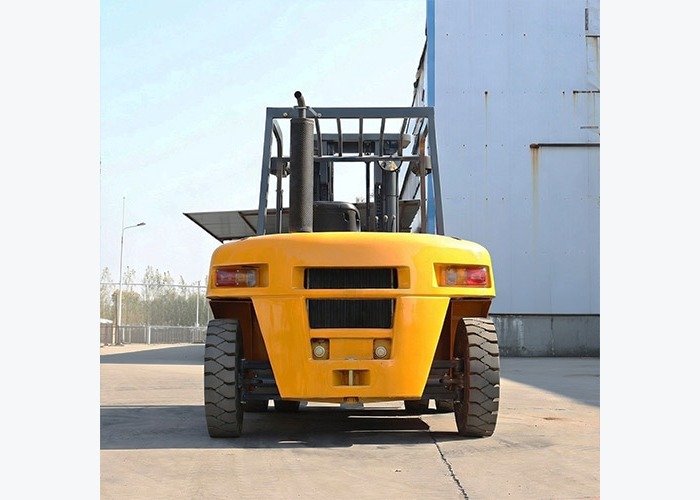
A tire decision is connected to truck height, stability, capacity, and route geometry, not a separate accessory line. This is a practical operating issue, not merely a specification detail. The OSHA powered industrial truck guidance provides useful context for the control principles behind this decision. In a real warehouse or yard, the condition should be reviewed with the actual load, route, battery routine, or placement task in mind. The main risk is that a tire change made late in the order can change practical fit in ways the buyer did not expect. Supervisors and buyers should therefore connect the observation to the real job pattern before assuming a standard configuration will work.
A reliable next step is to confirm how the selected tire affects ground clearance, overall height, stability assumptions, and application limits. Record what was observed instead of relying on memory, because clear operating details make supplier discussions and internal decisions much faster. The relevant diesel forklift category can help translate the requirement into a machine option that fits the route more cleanly. Avoid solving the issue with assumptions or informal workarounds that only look acceptable in a short demonstration. As a decision rule, finalize tire type together with the truck configuration. That keeps the buying decision tied to the daily task rather than to a generic machine label.
Suppliers can recommend tire packages more accurately when they see the real route rather than only a capacity requirement. This is a practical operating issue, not merely a specification detail. The OSHA powered industrial truck standard provides useful context for the control principles behind this decision. In a real warehouse or yard, the condition should be reviewed with the actual load, route, battery routine, or placement task in mind. The main risk is that generic tire requests often produce answers based on assumptions rather than operating reality. Supervisors and buyers should therefore connect the observation to the real job pattern before assuming a standard configuration will work.
A reliable next step is to send route photos, surface notes, load weights, travel distance, and weather exposure with the inquiry. Record what was observed instead of relying on memory, because clear operating details make supplier discussions and internal decisions much faster. The relevant VY-CPC35 diesel forklift can help translate the requirement into a machine option that fits the route more cleanly. Avoid solving the issue with assumptions or informal workarounds that only look acceptable in a short demonstration. As a decision rule, make the surface visible in the buying conversation. That keeps the buying decision tied to the daily task rather than to a generic machine label.
Are pneumatic tires always better for diesel forklifts outdoors? Not always. They often suit rougher routes, but cleaner paved yards with high puncture risk may justify a different tire choice.
Can tire choice affect load stability? Yes. Tire cushioning, vibration, grip, and surface response can all influence how confidently the truck carries tall or uneven loads.
Should I choose tires before or after choosing the forklift model? Review them together. Tire type can affect practical route fit, comfort, clearance, and the way the configured truck behaves.
Watch a related diesel forklift video here: https://www.youtube.com/watch?v=jxSRUlbpBa8.

The best diesel forklift tire choice starts with the route, not with a catalog habit.
A buyer who studies the roughest surface, tire wear, transition points, weather, and load behavior will usually choose a truck that feels more stable and costs less to correct later.
For a tire recommendation, send VARYON route photos, surface descriptions, load weights, travel distance, and the daily yard conditions the forklift must handle.