Get in touch
* Your personal information is securely protected and will only be used for business communication purposes.

Electric forklift troubleshooting is most effective when the team separates symptoms before replacing parts. Slow travel, weak lift, warning lights, reduced runtime, brake behavior, and charging complaints can look related even when the root causes are different. A low battery, damaged connector, controller protection, hydraulic issue, brake drag, interlock, charger problem, or workload change may create similar operator reports.
This guide gives supervisors and maintenance coordinators a practical diagnostic path. It does not replace the manufacturer’s service manual, and it does not encourage untrained electrical or hydraulic repair. The purpose is to help teams collect better evidence, remove unsafe trucks from service, and decide when a qualified technician should test voltage, current, hydraulic pressure, or control signals.
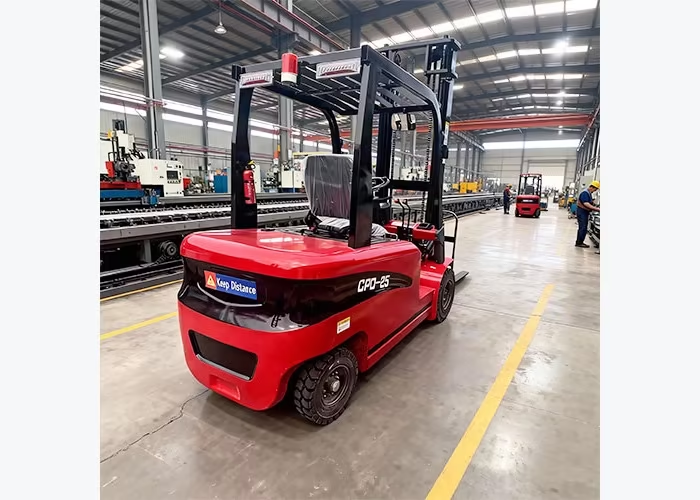
Troubleshooting should start with a precise symptom description rather than a general statement that the forklift feels weak. This is a practical operating issue, not merely a specification detail. The OSHA electric powered industrial truck guidance provides useful context for the control principles behind this decision. In a real warehouse or yard, the condition should be reviewed with the actual load, route, battery routine, or placement task in mind. The main risk is that vague reporting leads to parts swapping and missed root causes. Supervisors and buyers should therefore connect the observation to the real job pattern before assuming a standard configuration will work.
A reliable next step is to record whether the issue is slow travel, weak lift, intermittent power, warning lights, short runtime, brake drag, or charger failure. Record what was observed instead of relying on memory, because clear operating details make supplier discussions and internal decisions much faster. The relevant electric forklift category can help translate the requirement into a machine option that fits the route more cleanly. Avoid solving the issue with assumptions or informal workarounds that only look acceptable in a short demonstration. As a decision rule, write down the exact condition before resetting or testing anything. That keeps the buying decision tied to the daily task rather than to a generic machine label.
A controlled inspection is safer and more useful when the forklift is parked level, forks lowered, load removed, and the area protected. This is a practical operating issue, not merely a specification detail. The OSHA battery charging guidance provides useful context for the control principles behind this decision. In a real warehouse or yard, the condition should be reviewed with the actual load, route, battery routine, or placement task in mind. The main risk is that diagnosing under load or in production traffic can create avoidable risk. Supervisors and buyers should therefore connect the observation to the real job pattern before assuming a standard configuration will work.
A reliable next step is to follow site lockout and isolation rules before inspection and keep people away from pinch points and travel lanes. Record what was observed instead of relying on memory, because clear operating details make supplier discussions and internal decisions much faster. The relevant VY-CPD15 electric forklift can help translate the requirement into a machine option that fits the route more cleanly. Avoid solving the issue with assumptions or informal workarounds that only look acceptable in a short demonstration. As a decision rule, begin with a safe, unloaded baseline whenever possible. That keeps the buying decision tied to the daily task rather than to a generic machine label.
A battery can show acceptable state at rest and still drop under lift or travel demand if it is weak, discharged, or poorly connected. This is a practical operating issue, not merely a specification detail. The OSHA warehouse hazards and solutions provides useful context for the control principles behind this decision. In a real warehouse or yard, the condition should be reviewed with the actual load, route, battery routine, or placement task in mind. The main risk is that operators may blame the motor when the battery cannot support peak demand. Supervisors and buyers should therefore connect the observation to the real job pattern before assuming a standard configuration will work.
A reliable next step is to note the display state, connector condition, cable heat, charge history, and whether the symptom appears only under load. Record what was observed instead of relying on memory, because clear operating details make supplier discussions and internal decisions much faster. The relevant VY-CPD20 electric forklift can help translate the requirement into a machine option that fits the route more cleanly. Avoid solving the issue with assumptions or informal workarounds that only look acceptable in a short demonstration. As a decision rule, have a qualified technician measure under-load values when basic checks do not explain the issue. That keeps the buying decision tied to the daily task rather than to a generic machine label.
Charging faults often show up as runtime or power complaints the next shift. This is a practical operating issue, not merely a specification detail. The OSHA powered industrial truck standard provides useful context for the control principles behind this decision. In a real warehouse or yard, the condition should be reviewed with the actual load, route, battery routine, or placement task in mind. The main risk is that a missed or incomplete charge can imitate a failing battery. Supervisors and buyers should therefore connect the observation to the real job pattern before assuming a standard configuration will work.
A reliable next step is to check whether the truck was actually connected, whether the charger completed its cycle, and whether plugs or cables show visible damage. Record what was observed instead of relying on memory, because clear operating details make supplier discussions and internal decisions much faster. The relevant VY-CPD25 electric forklift can help translate the requirement into a machine option that fits the route more cleanly. Avoid solving the issue with assumptions or informal workarounds that only look acceptable in a short demonstration. As a decision rule, separate charging-process evidence from battery-replacement decisions. That keeps the buying decision tied to the daily task rather than to a generic machine label.
Fault codes and warning indicators are evidence, not annoyances to erase quickly. This is a practical operating issue, not merely a specification detail. The CCOHS battery charging safety provides useful context for the control principles behind this decision. In a real warehouse or yard, the condition should be reviewed with the actual load, route, battery routine, or placement task in mind. The main risk is that clearing a warning before recording it can make diagnosis slower. Supervisors and buyers should therefore connect the observation to the real job pattern before assuming a standard configuration will work.
A reliable next step is to photograph or write down warning lights, code numbers, time, load condition, and what the truck was doing when the warning appeared. Record what was observed instead of relying on memory, because clear operating details make supplier discussions and internal decisions much faster. The relevant VY-CPD30 electric forklift can help translate the requirement into a machine option that fits the route more cleanly. Avoid solving the issue with assumptions or informal workarounds that only look acceptable in a short demonstration. As a decision rule, preserve the fault history for the service technician. That keeps the buying decision tied to the daily task rather than to a generic machine label.
Reduced travel speed may result from low battery, controller protection, travel motor issues, brake drag, pedal or directional control faults, or site speed settings. This is a practical operating issue, not merely a specification detail. The HSE workplace transport guidance provides useful context for the control principles behind this decision. In a real warehouse or yard, the condition should be reviewed with the actual load, route, battery routine, or placement task in mind. The main risk is that assuming every slow-travel complaint is a battery problem can miss mechanical resistance. Supervisors and buyers should therefore connect the observation to the real job pattern before assuming a standard configuration will work.
A reliable next step is to compare travel behavior unloaded, with a known safe load, and after checking brake release and control response. Record what was observed instead of relying on memory, because clear operating details make supplier discussions and internal decisions much faster. The relevant VY-CPD35 electric forklift can help translate the requirement into a machine option that fits the route more cleanly. Avoid solving the issue with assumptions or informal workarounds that only look acceptable in a short demonstration. As a decision rule, look for heat, smell, drag, and warning indicators before deciding the cause. That keeps the buying decision tied to the daily task rather than to a generic machine label.
A lift complaint may involve battery voltage, lift motor demand, hydraulic oil, pump condition, valve behavior, mast binding, or overload. This is a practical operating issue, not merely a specification detail. The NIOSH forklift safety guidance provides useful context for the control principles behind this decision. In a real warehouse or yard, the condition should be reviewed with the actual load, route, battery routine, or placement task in mind. The main risk is that a healthy hydraulic system cannot perform correctly if the electrical supply collapses. Supervisors and buyers should therefore connect the observation to the real job pattern before assuming a standard configuration will work.
A reliable next step is to confirm load weight, listen for abnormal pump sound, inspect for leaks, and note whether the lift improves after charging. Record what was observed instead of relying on memory, because clear operating details make supplier discussions and internal decisions much faster. The relevant warehousing and logistics solutions can help translate the requirement into a machine option that fits the route more cleanly. Avoid solving the issue with assumptions or informal workarounds that only look acceptable in a short demonstration. As a decision rule, separate power supply, load condition, and hydraulic symptoms step by step. That keeps the buying decision tied to the daily task rather than to a generic machine label.
A forklift that worked well last month may feel weak if load weight, travel distance, ramp use, floor condition, or shift intensity has increased. This is a practical operating issue, not merely a specification detail. The Wikipedia electric battery overview provides useful context for the control principles behind this decision. In a real warehouse or yard, the condition should be reviewed with the actual load, route, battery routine, or placement task in mind. The main risk is that maintenance teams may chase a fault that is actually a changed duty cycle. Supervisors and buyers should therefore connect the observation to the real job pattern before assuming a standard configuration will work.
A reliable next step is to compare the complaint with recent changes in pallets, route, dock use, or production schedule. Record what was observed instead of relying on memory, because clear operating details make supplier discussions and internal decisions much faster. The relevant contact VARYON for forklift support can help translate the requirement into a machine option that fits the route more cleanly. Avoid solving the issue with assumptions or informal workarounds that only look acceptable in a short demonstration. As a decision rule, review the workload before condemning the truck. That keeps the buying decision tied to the daily task rather than to a generic machine label.
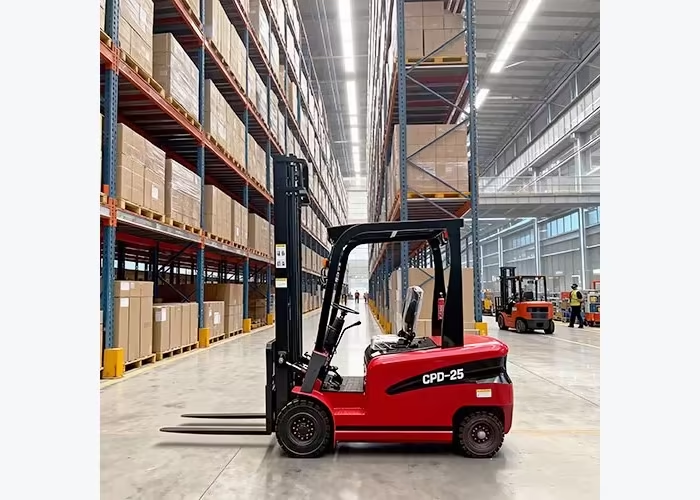
Voltage checks, current checks, hydraulic pressure tests, controller diagnostics, and brake adjustment should be performed by qualified people with the right manual. This is a practical operating issue, not merely a specification detail. The OSHA electric powered industrial truck guidance provides useful context for the control principles behind this decision. In a real warehouse or yard, the condition should be reviewed with the actual load, route, battery routine, or placement task in mind. The main risk is that testing without context can find numbers but miss why the failure appears in production. Supervisors and buyers should therefore connect the observation to the real job pattern before assuming a standard configuration will work.
A reliable next step is to give the technician symptoms, photos, charge history, load information, and repeated conditions before testing begins. Record what was observed instead of relying on memory, because clear operating details make supplier discussions and internal decisions much faster. The relevant electric forklift category can help translate the requirement into a machine option that fits the route more cleanly. Avoid solving the issue with assumptions or informal workarounds that only look acceptable in a short demonstration. As a decision rule, combine field evidence with measured diagnosis. That keeps the buying decision tied to the daily task rather than to a generic machine label.
A repair is complete only when the forklift performs normally through the condition that caused the complaint. This is a practical operating issue, not merely a specification detail. The OSHA battery charging guidance provides useful context for the control principles behind this decision. In a real warehouse or yard, the condition should be reviewed with the actual load, route, battery routine, or placement task in mind. The main risk is that sending the truck back too quickly can hide an intermittent issue until peak workload. Supervisors and buyers should therefore connect the observation to the real job pattern before assuming a standard configuration will work.
A reliable next step is to test unloaded first, then with a known safe load and route condition while watching for repeat warnings. Record what was observed instead of relying on memory, because clear operating details make supplier discussions and internal decisions much faster. The relevant VY-CPD15 electric forklift can help translate the requirement into a machine option that fits the route more cleanly. Avoid solving the issue with assumptions or informal workarounds that only look acceptable in a short demonstration. As a decision rule, document the repair, test result, and any follow-up inspection needed. That keeps the buying decision tied to the daily task rather than to a generic machine label.
Why is my electric forklift slow even after charging? Possible causes include weak battery under load, connector problems, controller protection, brake drag, travel motor issues, speed settings, or a route that has become more demanding.
Should operators clear warning lights? They should follow site rules, but the warning should be recorded first because fault information is useful evidence for service diagnosis.
Can weak lifting be caused by the battery? Yes. Weak lift can be hydraulic, mechanical, or electrical. A battery that drops under lift demand can make the lift system appear weak.
Watch a related electric forklift video here: https://www.youtube.com/watch?v=a6yXZOCzZxk.

Good electric forklift troubleshooting is evidence-driven. Define the symptom, make the truck safe, preserve warning information, and separate battery, charging, hydraulic, brake, and workload causes.
That approach reduces unnecessary parts replacement and helps the service technician diagnose the problem faster.
For support, send VARYON the truck model, battery type, charger details, fault code photos, load information, and a clear description of when the symptom appears.