Get in touch
* Your personal information is securely protected and will only be used for business communication purposes.

Pallet stacker aisle width is more than a simple measurement between rack faces. The real working space depends on pallet size, outrigger style, turning path, lift height, operator position, floor condition, and how much correction the driver needs at the rack face. A stacker can look compact on a product page and still feel awkward if the aisle does not match the pallet and route.
This guide helps warehouse planners and buyers review aisle width before selecting a walkie, straddle, or stand-on stacker. It focuses on the practical relationship between turning space, pallet entry, rack layout, outriggers, load stability, and daily replenishment flow so the truck fits the building rather than forcing the building to adapt later.
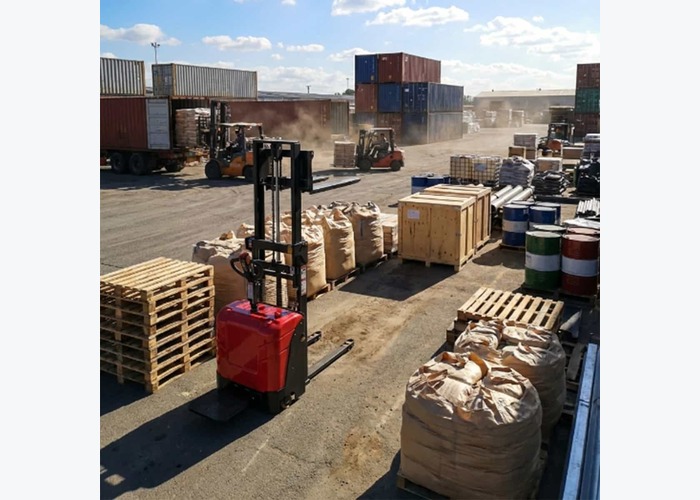
The useful aisle is the space available after pallets, rack guards, floor markings, columns, and staging habits are considered. Guidance such as OSHA powered industrial truck standard is useful because it keeps the review tied to real operating control rather than to vague habit. In a working warehouse or yard, the checklist should reflect the actual route, load, charger routine, or placement task the machine will face. The main risk is that buyers may measure an empty aisle and miss the obstructions that appear during a shift. That is why the check should be explained in terms the operator and supervisor can both act on immediately.
A practical next step is to measure the narrowest real point of the route with the warehouse in normal operating condition. Keep the observation concrete instead of relying on memory, because specific notes make maintenance and supervision faster. The relevant Stacker category can also help turn the observation into a product or application discussion that fits the site more cleanly. As a decision rule, use the actual working aisle as the design number. That keeps the inspection connected to the daily task instead of turning it into a generic routine.
A longer pallet or load overhang can increase the turning path even when the stacker body remains compact. Guidance such as OSHA powered industrial trucks eTool is useful because it keeps the review tied to real operating control rather than to vague habit. In a working warehouse or yard, the checklist should reflect the actual route, load, charger routine, or placement task the machine will face. The main risk is that a stacker may fit the aisle unloaded but struggle with the real pallet. That is why the check should be explained in terms the operator and supervisor can both act on immediately.
A practical next step is to measure pallet length, width, overhang, and whether the load must be carried in a specific orientation. Keep the observation concrete instead of relying on memory, because specific notes make maintenance and supervision faster. The relevant walkie stacker CDD-15 can also help turn the observation into a product or application discussion that fits the site more cleanly. As a decision rule, test or calculate the turn with the largest routine pallet. That keeps the inspection connected to the daily task instead of turning it into a generic routine.
Straddle legs, fork-over designs, and counterbalanced layouts interact differently with closed-bottom pallets and rack openings. Guidance such as CCOHS manual materials handling is useful because it keeps the review tied to real operating control rather than to vague habit. In a working warehouse or yard, the checklist should reflect the actual route, load, charger routine, or placement task the machine will face. The main risk is that choosing the wrong leg layout can make pallet entry impossible even when aisle width is acceptable. That is why the check should be explained in terms the operator and supervisor can both act on immediately.
A practical next step is to identify pallet bottom structure before selecting outrigger style or fork configuration. Keep the observation concrete instead of relying on memory, because specific notes make maintenance and supervision faster. The relevant walkie stacker CDD-20 can also help turn the observation into a product or application discussion that fits the site more cleanly. As a decision rule, match outriggers to pallet construction first. That keeps the inspection connected to the daily task instead of turning it into a generic routine.
Operators need small correction space at pickup and placement, not just the mathematical minimum turn. Guidance such as CCOHS forklift safety is useful because it keeps the review tied to real operating control rather than to vague habit. In a working warehouse or yard, the checklist should reflect the actual route, load, charger routine, or placement task the machine will face. The main risk is that a layout built to the absolute minimum may slow every cycle. That is why the check should be explained in terms the operator and supervisor can both act on immediately.
A practical next step is to allow space for approach adjustment, fork alignment, pallet lean, and normal operator variability. Keep the observation concrete instead of relying on memory, because specific notes make maintenance and supervision faster. The relevant stand-on stacker CZD-15 can also help turn the observation into a product or application discussion that fits the site more cleanly. As a decision rule, include correction margin when productivity matters. That keeps the inspection connected to the daily task instead of turning it into a generic routine.
Higher placement increases the need for stable approach, clear visibility, and controlled mast movement. Guidance such as HSE workplace transport is useful because it keeps the review tied to real operating control rather than to vague habit. In a working warehouse or yard, the checklist should reflect the actual route, load, charger routine, or placement task the machine will face. The main risk is that a stacker that turns well at floor level may feel less confident at height. That is why the check should be explained in terms the operator and supervisor can both act on immediately.
A practical next step is to review the highest regular beam level and observe how the truck aligns before lifting. Keep the observation concrete instead of relying on memory, because specific notes make maintenance and supervision faster. The relevant stand-on stacker CZD-20 can also help turn the observation into a product or application discussion that fits the site more cleanly. As a decision rule, connect aisle width with lift-height requirements. That keeps the inspection connected to the daily task instead of turning it into a generic routine.
Walkie, platform, and stand-on models change where the operator stands and how much space is needed during turns and reversals. Guidance such as Wikipedia pallet jack overview is useful because it keeps the review tied to real operating control rather than to vague habit. In a working warehouse or yard, the checklist should reflect the actual route, load, charger routine, or placement task the machine will face. The main risk is that human position can be forgotten in aisle planning. That is why the check should be explained in terms the operator and supervisor can both act on immediately.
A practical next step is to map operator position during entry, turn, lift, and exit rather than measuring only the machine body. Keep the observation concrete instead of relying on memory, because specific notes make maintenance and supervision faster. The relevant Straddle Stacker Guide can also help turn the observation into a product or application discussion that fits the site more cleanly. As a decision rule, choose a stacker style that gives both truck and operator enough room. That keeps the inspection connected to the daily task instead of turning it into a generic routine.
Uneven floors, seams, debris, and slopes can make a narrow aisle feel tighter because the operator needs more correction. Guidance such as OSHA powered industrial truck standard is useful because it keeps the review tied to real operating control rather than to vague habit. In a working warehouse or yard, the checklist should reflect the actual route, load, charger routine, or placement task the machine will face. The main risk is that minor floor defects may become cycle-time problems in narrow aisles. That is why the check should be explained in terms the operator and supervisor can both act on immediately.
A practical next step is to walk the route and identify floor problems before committing to very tight clearances. Keep the observation concrete instead of relying on memory, because specific notes make maintenance and supervision faster. The relevant warehousing and logistics solutions can also help turn the observation into a product or application discussion that fits the site more cleanly. As a decision rule, repair or account for floor condition before narrowing the design. That keeps the inspection connected to the daily task instead of turning it into a generic routine.
Aisle width should support how often the stacker enters, exits, waits, and shares space with pedestrians or other equipment. Guidance such as OSHA powered industrial trucks eTool is useful because it keeps the review tied to real operating control rather than to vague habit. In a working warehouse or yard, the checklist should reflect the actual route, load, charger routine, or placement task the machine will face. The main risk is that a technically passable aisle can still become congested during busy periods. That is why the check should be explained in terms the operator and supervisor can both act on immediately.
A practical next step is to count peak replenishment cycles and define where empty pallets, staged goods, and people will stand. Keep the observation concrete instead of relying on memory, because specific notes make maintenance and supervision faster. The relevant contact VARYON for stacker planning can also help turn the observation into a product or application discussion that fits the site more cleanly. As a decision rule, design for the busiest normal flow rather than the quietest hour. That keeps the inspection connected to the daily task instead of turning it into a generic routine.
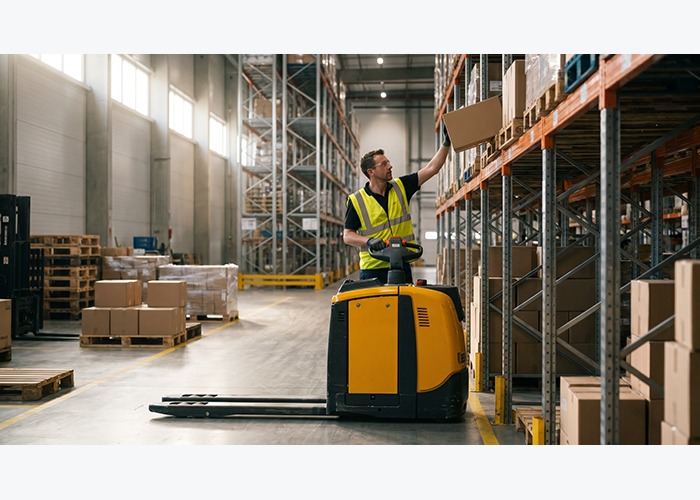
A controlled trial or marked-floor simulation can reveal turning, visibility, and pallet-entry problems before the final order. Guidance such as CCOHS manual materials handling is useful because it keeps the review tied to real operating control rather than to vague habit. In a working warehouse or yard, the checklist should reflect the actual route, load, charger routine, or placement task the machine will face. The main risk is that paper dimensions may not show how much correction an operator needs. That is why the check should be explained in terms the operator and supervisor can both act on immediately.
A practical next step is to mark the proposed aisle width and simulate the largest pallet movement with safe supervision. Keep the observation concrete instead of relying on memory, because specific notes make maintenance and supervision faster. The relevant Stacker category can also help turn the observation into a product or application discussion that fits the site more cleanly. As a decision rule, validate the route with a real or simulated cycle. That keeps the inspection connected to the daily task instead of turning it into a generic routine.
Suppliers can recommend the right pallet stacker more accurately when they see aisle width, pallet type, rack height, and traffic pattern together. Guidance such as CCOHS forklift safety is useful because it keeps the review tied to real operating control rather than to vague habit. In a working warehouse or yard, the checklist should reflect the actual route, load, charger routine, or placement task the machine will face. The main risk is that generic stacker requests often miss the geometry that decides success. That is why the check should be explained in terms the operator and supervisor can both act on immediately.
A practical next step is to send rack drawings, pallet photos, aisle measurements, lift height, and replenishment frequency with the inquiry. Keep the observation concrete instead of relying on memory, because specific notes make maintenance and supervision faster. The relevant walkie stacker CDD-15 can also help turn the observation into a product or application discussion that fits the site more cleanly. As a decision rule, make the layout visible before choosing the model. That keeps the inspection connected to the daily task instead of turning it into a generic routine.
What aisle width does a pallet stacker need? It depends on the stacker type, pallet size, load orientation, operator position, rack layout, and required correction space.
Why do outriggers matter for aisle planning? Outriggers affect pallet entry and turning path, especially with closed-bottom pallets or narrow rack openings.
Should I rely only on catalog turning radius? No. Catalog values help, but the real route should include pallet overhang, floor condition, operator position, and rack-face correction space.
Watch a related stacker video here: https://www.youtube.com/watch?v=ROqFgDITLnw.
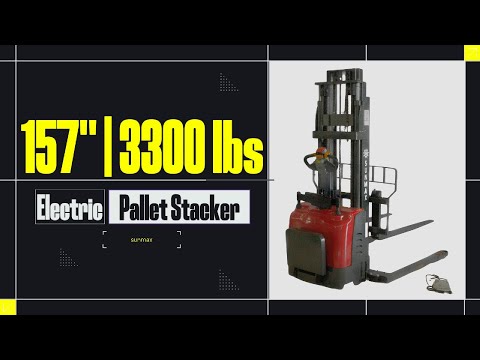
A good pallet stacker aisle-width decision starts with the real warehouse layout, not the smallest number in a brochure.
Measure the aisle under normal conditions, match outrigger design to the pallet, and allow enough correction space for daily placement at height.
For a layout review, send VARYON rack drawings, pallet photos, aisle dimensions, lift height, and expected daily cycle count.