Get in touch
* Your personal information is securely protected and will only be used for business communication purposes.

A straddle stacker becomes valuable when a warehouse needs a compact lifting tool but also needs the truck to work around pallet geometry, floor-level supports, and aisle limits that make a standard stacker less comfortable. The decision is not just about lift height. It is about whether the outriggers clear the pallet base, whether the route stays controlled, and whether the stacker can approach loads repeatedly without forcing awkward repositioning.
This guide explains how to evaluate a straddle stacker in practical warehouse terms. It covers closed-bottom pallets, outrigger spacing, aisle width, lift behavior, route limits, and the questions buyers should settle before choosing a stacker for daily pallet movement and racking work.
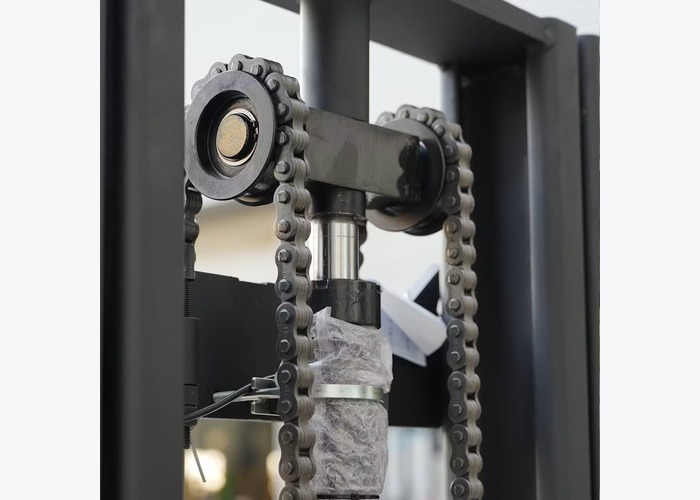
A straddle stacker should be selected around the pallet or skid geometry it must approach every day. This is a practical operating issue, not merely a specification detail. The OSHA powered industrial truck guidance provides useful context for the control principles behind this decision. In a real warehouse or yard, the condition should be reviewed with the actual load, route, battery routine, or placement task in mind. The main risk is that buyers may focus on lift height or capacity and discover too late that the truck does not approach the pallet cleanly. Supervisors and buyers should therefore connect the observation to the real job pattern before assuming a standard configuration will work.
A reliable next step is to measure pallet entry space, bottom board design, support blocks, and any obstruction under the load before comparing stacker types. Record what was observed instead of relying on memory, because clear operating details make supplier discussions and internal decisions much faster. The relevant stacker category can help translate the requirement into a machine option that fits the route more cleanly. Avoid solving the issue with assumptions or informal workarounds that only look acceptable in a short demonstration. As a decision rule, let pallet structure decide whether a straddle design is truly needed. That keeps the buying decision tied to the daily task rather than to a generic machine label.
The space between outriggers and the way they sit around the load determine how naturally the stacker can enter and withdraw from the pallet. This is a practical operating issue, not merely a specification detail. The OSHA powered industrial truck standard provides useful context for the control principles behind this decision. In a real warehouse or yard, the condition should be reviewed with the actual load, route, battery routine, or placement task in mind. The main risk is that an almost-correct fit can create repeated hesitation and repositioning during every cycle. Supervisors and buyers should therefore connect the observation to the real job pattern before assuming a standard configuration will work.
A reliable next step is to check outrigger width against the real pallet base and floor conditions instead of relying only on a nominal drawing. Record what was observed instead of relying on memory, because clear operating details make supplier discussions and internal decisions much faster. The relevant walkie stacker CDD-15 can help translate the requirement into a machine option that fits the route more cleanly. Avoid solving the issue with assumptions or informal workarounds that only look acceptable in a short demonstration. As a decision rule, confirm outrigger compatibility with the actual load base before ordering. That keeps the buying decision tied to the daily task rather than to a generic machine label.
A straddle stacker may solve one pallet-entry problem while still struggling if the aisle is too tight for turning and placement. This is a practical operating issue, not merely a specification detail. The CCOHS manual materials handling guidance provides useful context for the control principles behind this decision. In a real warehouse or yard, the condition should be reviewed with the actual load, route, battery routine, or placement task in mind. The main risk is that a stacker that technically lifts the load may still waste time if the aisle forces repeated corrections. Supervisors and buyers should therefore connect the observation to the real job pattern before assuming a standard configuration will work.
A reliable next step is to measure the real working aisle with pallets staged, corners protected, and other equipment moving nearby. Record what was observed instead of relying on memory, because clear operating details make supplier discussions and internal decisions much faster. The relevant walkie stacker CDD-20 can help translate the requirement into a machine option that fits the route more cleanly. Avoid solving the issue with assumptions or informal workarounds that only look acceptable in a short demonstration. As a decision rule, review aisle fit and pallet fit together instead of treating them as separate decisions. That keeps the buying decision tied to the daily task rather than to a generic machine label.
Warehouse teams often ask whether the stacker reaches the beam, but the better question is whether it does so comfortably with the actual load and route. This is a practical operating issue, not merely a specification detail. The CCOHS forklift truck safety provides useful context for the control principles behind this decision. In a real warehouse or yard, the condition should be reviewed with the actual load, route, battery routine, or placement task in mind. The main risk is that buyers can overemphasize nominal height and overlook how placement quality changes near the top of travel. Supervisors and buyers should therefore connect the observation to the real job pattern before assuming a standard configuration will work.
A reliable next step is to confirm the highest repeatable placement point and whether the load remains stable at that height. Record what was observed instead of relying on memory, because clear operating details make supplier discussions and internal decisions much faster. The relevant stand-on stacker CZD-15 can help translate the requirement into a machine option that fits the route more cleanly. Avoid solving the issue with assumptions or informal workarounds that only look acceptable in a short demonstration. As a decision rule, match the stacker to the real placement height instead of only to the maximum rating. That keeps the buying decision tied to the daily task rather than to a generic machine label.
Even when the pallet fit points toward a straddle design, the route length still determines how the truck will feel across the shift. This is a practical operating issue, not merely a specification detail. The HSE workplace transport guidance provides useful context for the control principles behind this decision. In a real warehouse or yard, the condition should be reviewed with the actual load, route, battery routine, or placement task in mind. The main risk is that a stacker that feels fine in a short demo may become tiring or slow on a longer route. Supervisors and buyers should therefore connect the observation to the real job pattern before assuming a standard configuration will work.
A reliable next step is to compare how much of the work is short rack approach versus repeated travel between zones before choosing the operating style. Record what was observed instead of relying on memory, because clear operating details make supplier discussions and internal decisions much faster. The relevant stand-on stacker CZD-20 can help translate the requirement into a machine option that fits the route more cleanly. Avoid solving the issue with assumptions or informal workarounds that only look acceptable in a short demonstration. As a decision rule, choose the operating rhythm that matches the warehouse cycle count. That keeps the buying decision tied to the daily task rather than to a generic machine label.
Outriggers bring great load support, but they also make the route sensitive to uneven transitions, debris, and damaged floor areas. This is a practical operating issue, not merely a specification detail. The NIOSH forklift safety guidance provides useful context for the control principles behind this decision. In a real warehouse or yard, the condition should be reviewed with the actual load, route, battery routine, or placement task in mind. The main risk is that small floor problems can become repeated contact points that slow the truck and frustrate the operator. Supervisors and buyers should therefore connect the observation to the real job pattern before assuming a standard configuration will work.
A reliable next step is to inspect dock plates, thresholds, floor joints, and pallet staging surfaces before approving the route. Record what was observed instead of relying on memory, because clear operating details make supplier discussions and internal decisions much faster. The relevant warehousing and logistics solutions can help translate the requirement into a machine option that fits the route more cleanly. Avoid solving the issue with assumptions or informal workarounds that only look acceptable in a short demonstration. As a decision rule, keep the straddle route on predictable surfaces whenever possible. That keeps the buying decision tied to the daily task rather than to a generic machine label.
Some loads technically fit between outriggers but still behave awkwardly because of overhang, packaging width, or fragile lower surfaces. This is a practical operating issue, not merely a specification detail. The Wikipedia pallet jack overview provides useful context for the control principles behind this decision. In a real warehouse or yard, the condition should be reviewed with the actual load, route, battery routine, or placement task in mind. The main risk is that the wrong assumption about load shape can turn a neat pallet solution into a daily handling workaround. Supervisors and buyers should therefore connect the observation to the real job pattern before assuming a standard configuration will work.
A reliable next step is to review whether the load footprint, pallet condition, and product overhang leave enough clearance for clean approach. Record what was observed instead of relying on memory, because clear operating details make supplier discussions and internal decisions much faster. The relevant VARYON products overview can help translate the requirement into a machine option that fits the route more cleanly. Avoid solving the issue with assumptions or informal workarounds that only look acceptable in a short demonstration. As a decision rule, test the real load form before committing to a stacker configuration. That keeps the buying decision tied to the daily task rather than to a generic machine label.
Compact pallet work often rewards smooth first-entry alignment more than raw lifting speed. This is a practical operating issue, not merely a specification detail. The Wikipedia forklift overview provides useful context for the control principles behind this decision. In a real warehouse or yard, the condition should be reviewed with the actual load, route, battery routine, or placement task in mind. The main risk is that if entry is awkward, the operator may overcorrect or strike the pallet base repeatedly. Supervisors and buyers should therefore connect the observation to the real job pattern before assuming a standard configuration will work.
A reliable next step is to set reference marks, approach rules, and simple alignment habits so operators enter the pallet consistently. Record what was observed instead of relying on memory, because clear operating details make supplier discussions and internal decisions much faster. The relevant contact VARYON for stacker planning can help translate the requirement into a machine option that fits the route more cleanly. Avoid solving the issue with assumptions or informal workarounds that only look acceptable in a short demonstration. As a decision rule, support the stacker with a repeatable approach routine rather than relying on improvisation. That keeps the buying decision tied to the daily task rather than to a generic machine label.
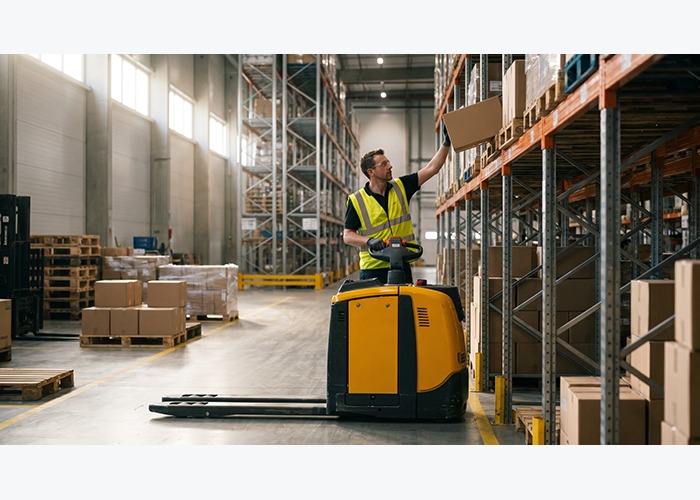
A straddle stacker depends on clean fork condition, visible structure, wheel behavior, and outrigger integrity because those parts guide the entry path. This is a practical operating issue, not merely a specification detail. The OSHA powered industrial truck guidance provides useful context for the control principles behind this decision. In a real warehouse or yard, the condition should be reviewed with the actual load, route, battery routine, or placement task in mind. The main risk is that wear at the contact points can quietly reduce smooth pallet entry and increase damage risk. Supervisors and buyers should therefore connect the observation to the real job pattern before assuming a standard configuration will work.
A reliable next step is to inspect forks, wheels, mast, outriggers, weld areas, and any recurring contact marks before the shift begins. Record what was observed instead of relying on memory, because clear operating details make supplier discussions and internal decisions much faster. The relevant stacker category can help translate the requirement into a machine option that fits the route more cleanly. Avoid solving the issue with assumptions or informal workarounds that only look acceptable in a short demonstration. As a decision rule, treat the entry structure as a daily inspection priority. That keeps the buying decision tied to the daily task rather than to a generic machine label.
Suppliers can recommend a better straddle stacker when they understand pallet base design, aisle width, lift height, floor condition, and travel distance together. This is a practical operating issue, not merely a specification detail. The OSHA powered industrial truck standard provides useful context for the control principles behind this decision. In a real warehouse or yard, the condition should be reviewed with the actual load, route, battery routine, or placement task in mind. The main risk is that vague requests often produce models that fit one measurement but miss the real warehouse pattern. Supervisors and buyers should therefore connect the observation to the real job pattern before assuming a standard configuration will work.
A reliable next step is to send pallet photos, pallet dimensions, aisle measurements, route notes, and lift heights with the inquiry. Record what was observed instead of relying on memory, because clear operating details make supplier discussions and internal decisions much faster. The relevant walkie stacker CDD-15 can help translate the requirement into a machine option that fits the route more cleanly. Avoid solving the issue with assumptions or informal workarounds that only look acceptable in a short demonstration. As a decision rule, describe the full handling route so the stacker recommendation matches daily use. That keeps the buying decision tied to the daily task rather than to a generic machine label.
When is a straddle stacker a better choice than a standard stacker? It is often the better choice when pallet base design and support structure require the truck to approach around the load instead of only under it.
Why do outriggers matter so much in stacker selection? Because their spacing and floor interaction decide whether pallet entry is smooth, repeatable, and safe during daily lifting work.
Can a straddle stacker solve every warehouse pallet problem? No. It still needs the right aisle width, route condition, lift height, and load shape. Pallet fit is only one part of the decision.
Watch a related stacker video here: https://www.youtube.com/watch?v=zFOGJkh12-o.

A straddle stacker works best when pallet geometry, outrigger spacing, and aisle fit are reviewed together before purchase.
The most successful setup comes from matching the truck to the real pallet base, the real route, and the actual placement height rather than assuming any stacker with the right tonnage will behave the same. That attention to fit helps the operator enter pallets smoothly and keeps warehouse flow more predictable.
For a better recommendation, send VARYON your pallet photos, base dimensions, aisle width, route notes, and lift height requirements.