Get in touch
* Your personal information is securely protected and will only be used for business communication purposes.

Electric forklifts are often chosen for indoor warehouses because they remove tailpipe exhaust from the working route and generally operate more quietly than internal-combustion trucks. Those advantages are real, but they do not remove the need for planning. Indoor air quality, charger location, pedestrian awareness, warning sounds, floor noise, night-shift communication, and battery maintenance still shape how well the fleet works.
This guide helps buyers and supervisors evaluate electric forklifts for indoor environments such as food plants, clean storage areas, production supply aisles, and night-shift warehouses. It focuses on how to use the quieter and cleaner operating profile responsibly without letting reduced engine noise create new visibility or traffic-control problems.
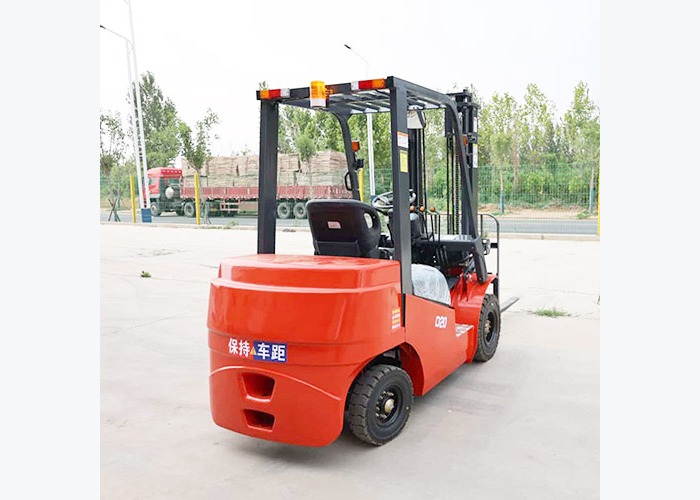
The best electric forklift decision begins with a clear reason: air quality, noise, indoor traffic, product sensitivity, or a combination of those factors. Guidance such as OSHA powered industrial truck standard is useful because it keeps the review tied to real operating control rather than to vague habit. In a working warehouse or yard, the checklist should reflect the actual route, load, charger routine, or placement task the machine will face. The main risk is that teams may buy electric simply because it sounds modern without defining the operating goal. That is why the check should be explained in terms the operator and supervisor can both act on immediately.
A practical next step is to write down which indoor problems the electric truck is expected to solve and how success will be measured. Keep the observation concrete instead of relying on memory, because specific notes make maintenance and supervision faster. The relevant Electric Forklift category can also help turn the observation into a product or application discussion that fits the site more cleanly. As a decision rule, connect the truck choice to a practical indoor outcome. That keeps the inspection connected to the daily task instead of turning it into a generic routine.
Electric forklifts remove exhaust at the travel route, yet battery charging can introduce its own area-specific safety needs. Guidance such as OSHA electric powered industrial trucks is useful because it keeps the review tied to real operating control rather than to vague habit. In a working warehouse or yard, the checklist should reflect the actual route, load, charger routine, or placement task the machine will face. The main risk is that cleaner travel routes do not justify casual charging areas. That is why the check should be explained in terms the operator and supervisor can both act on immediately.
A practical next step is to review battery type, charger location, ventilation, signs, cable routing, and emergency provisions before commissioning. Keep the observation concrete instead of relying on memory, because specific notes make maintenance and supervision faster. The relevant VY-CPD15 electric forklift can also help turn the observation into a product or application discussion that fits the site more cleanly. As a decision rule, treat charging as part of indoor air and safety planning. That keeps the inspection connected to the daily task instead of turning it into a generic routine.
A quieter truck can reduce noise fatigue but may also be less noticeable to pedestrians and nearby workers. Guidance such as OSHA warehouse hazards is useful because it keeps the review tied to real operating control rather than to vague habit. In a working warehouse or yard, the checklist should reflect the actual route, load, charger routine, or placement task the machine will face. The main risk is that people may rely on engine sound as an informal warning habit. That is why the check should be explained in terms the operator and supervisor can both act on immediately.
A practical next step is to review horns, lights, blue or red warning aids where fitted, mirrors, intersection rules, and pedestrian separation. Keep the observation concrete instead of relying on memory, because specific notes make maintenance and supervision faster. The relevant VY-CPD25 electric forklift can also help turn the observation into a product or application discussion that fits the site more cleanly. As a decision rule, replace noise-based awareness with visual and procedural controls. That keeps the inspection connected to the daily task instead of turning it into a generic routine.
Indoor electric trucks often work near packaging, food ingredients, clean storage, or finished goods where leaks, tire marks, and debris matter. Guidance such as CCOHS forklift safety is useful because it keeps the review tied to real operating control rather than to vague habit. In a working warehouse or yard, the checklist should reflect the actual route, load, charger routine, or placement task the machine will face. The main risk is that a clean energy source does not automatically make every truck suitable for sensitive zones. That is why the check should be explained in terms the operator and supervisor can both act on immediately.
A practical next step is to check tire type, floor marking, battery area cleanliness, and maintenance records for contamination control. Keep the observation concrete instead of relying on memory, because specific notes make maintenance and supervision faster. The relevant Warehouse Electric Forklift Guide can also help turn the observation into a product or application discussion that fits the site more cleanly. As a decision rule, match the whole truck routine to the hygiene expectation. That keeps the inspection connected to the daily task instead of turning it into a generic routine.
Lower noise can help night-shift comfort, but fewer people and reduced supervision can make traffic rules more important. Guidance such as HSE workplace transport is useful because it keeps the review tied to real operating control rather than to vague habit. In a working warehouse or yard, the checklist should reflect the actual route, load, charger routine, or placement task the machine will face. The main risk is that night teams may improvise because the building feels calmer. That is why the check should be explained in terms the operator and supervisor can both act on immediately.
A practical next step is to define route priority, horn practice, door communication, and handover reporting for quieter hours. Keep the observation concrete instead of relying on memory, because specific notes make maintenance and supervision faster. The relevant Electric Forklift Maintenance Checklist can also help turn the observation into a product or application discussion that fits the site more cleanly. As a decision rule, keep traffic control just as formal during quiet shifts. That keeps the inspection connected to the daily task instead of turning it into a generic routine.
Electric drive noise may be low, but load rollers, tires, pallets, dock plates, and floor joints can still create disruptive sound. Guidance such as CDC forklift injury prevention is useful because it keeps the review tied to real operating control rather than to vague habit. In a working warehouse or yard, the checklist should reflect the actual route, load, charger routine, or placement task the machine will face. The main risk is that changing to electric will not fix rough floors or rattling pallets. That is why the check should be explained in terms the operator and supervisor can both act on immediately.
A practical next step is to identify where the noise actually comes from before blaming the truck. Keep the observation concrete instead of relying on memory, because specific notes make maintenance and supervision faster. The relevant warehousing and logistics solutions can also help turn the observation into a product or application discussion that fits the site more cleanly. As a decision rule, review tire, floor, and pallet condition together. That keeps the inspection connected to the daily task instead of turning it into a generic routine.
A poorly maintained battery or connector can create downtime, heat, odor, or inconsistent shift availability. Guidance such as OSHA powered industrial truck standard is useful because it keeps the review tied to real operating control rather than to vague habit. In a working warehouse or yard, the checklist should reflect the actual route, load, charger routine, or placement task the machine will face. The main risk is that battery complaints can be mistaken for truck performance problems. That is why the check should be explained in terms the operator and supervisor can both act on immediately.
A practical next step is to include connector inspection, cable handling, state-of-charge records, and charger completion in daily routines. Keep the observation concrete instead of relying on memory, because specific notes make maintenance and supervision faster. The relevant contact VARYON for warehouse planning can also help turn the observation into a product or application discussion that fits the site more cleanly. As a decision rule, make battery care part of indoor fleet discipline. That keeps the inspection connected to the daily task instead of turning it into a generic routine.
Large open warehouses, small charging rooms, mezzanine routes, and enclosed production spaces have different airflow patterns. Guidance such as OSHA electric powered industrial trucks is useful because it keeps the review tied to real operating control rather than to vague habit. In a working warehouse or yard, the checklist should reflect the actual route, load, charger routine, or placement task the machine will face. The main risk is that a facility may have good general ventilation while a corner charging area is poorly controlled. That is why the check should be explained in terms the operator and supervisor can both act on immediately.
A practical next step is to map where the truck operates, parks, and charges instead of assuming the whole building behaves the same. Keep the observation concrete instead of relying on memory, because specific notes make maintenance and supervision faster. The relevant Electric Forklift category can also help turn the observation into a product or application discussion that fits the site more cleanly. As a decision rule, review airflow by use zone. That keeps the inspection connected to the daily task instead of turning it into a generic routine.
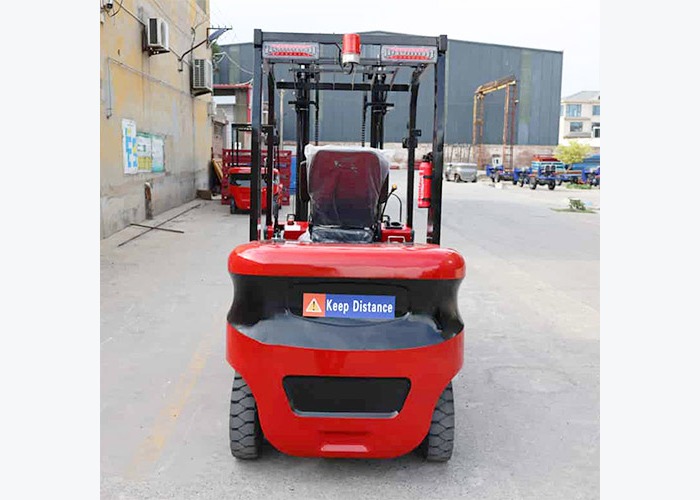
Operators moving from diesel or LPG trucks need to understand different acceleration feel, quiet approach, charging routine, and warning systems. Guidance such as OSHA warehouse hazards is useful because it keeps the review tied to real operating control rather than to vague habit. In a working warehouse or yard, the checklist should reflect the actual route, load, charger routine, or placement task the machine will face. The main risk is that operators may carry old habits into a quieter truck and miss new risks. That is why the check should be explained in terms the operator and supervisor can both act on immediately.
A practical next step is to train the team on indoor speed, pedestrian awareness, charger behavior, and fault reporting. Keep the observation concrete instead of relying on memory, because specific notes make maintenance and supervision faster. The relevant VY-CPD15 electric forklift can also help turn the observation into a product or application discussion that fits the site more cleanly. As a decision rule, make electric-specific behavior part of commissioning. That keeps the inspection connected to the daily task instead of turning it into a generic routine.
Suppliers can recommend a better electric forklift package when they understand the air, noise, hygiene, and traffic priorities. Guidance such as CCOHS forklift safety is useful because it keeps the review tied to real operating control rather than to vague habit. In a working warehouse or yard, the checklist should reflect the actual route, load, charger routine, or placement task the machine will face. The main risk is that generic capacity requests miss the indoor conditions that justify electric equipment. That is why the check should be explained in terms the operator and supervisor can both act on immediately.
A practical next step is to send warehouse layout, charging area plan, product sensitivity, shift schedule, and pedestrian routes with the inquiry. Keep the observation concrete instead of relying on memory, because specific notes make maintenance and supervision faster. The relevant VY-CPD25 electric forklift can also help turn the observation into a product or application discussion that fits the site more cleanly. As a decision rule, describe the building as clearly as the pallet. That keeps the inspection connected to the daily task instead of turning it into a generic routine.
Do electric forklifts improve indoor air quality? They remove tailpipe exhaust from the travel route, but charging areas and battery maintenance still require proper planning.
Are electric forklifts too quiet for busy warehouses? They can be quieter, so pedestrian awareness should rely on route design, visual warnings, horn rules, mirrors, and training rather than engine sound.
Are electric forklifts suitable for food plants? They can be a strong fit, but tire marks, battery area cleanliness, maintenance records, and route hygiene still need review.
Watch a related electric forklift video here: https://www.youtube.com/watch?v=a6yXZOCzZxk.

An electric forklift can improve indoor work when air quality, noise, charging, pedestrian awareness, and housekeeping are planned together.
The quiet and cleaner operating profile is useful, but it must be supported by clear route controls and battery routines.
For an indoor fleet recommendation, send VARYON the warehouse layout, shift pattern, charging area, product sensitivity, and pedestrian traffic points.