Get in touch
* Your personal information is securely protected and will only be used for business communication purposes.

Diesel forklift overheating can interrupt a loading shift quickly, but the cause is rarely solved by one guess. A blocked radiator, low coolant, damaged fan belt, dusty yard route, overloaded cycle, poor airflow, or delayed daily inspection can all push engine temperature upward. If the team simply lets the truck cool down and sends it back to work, the same fault may return under the next heavy pallet or outdoor travel loop.
This guide helps supervisors, operators, and buyers understand diesel forklift overheating as a working-condition problem, not only an engine problem. It covers radiator care, coolant routines, warning signs, dusty yards, long shifts, operator reporting, and when the truck should be removed from service for qualified maintenance.
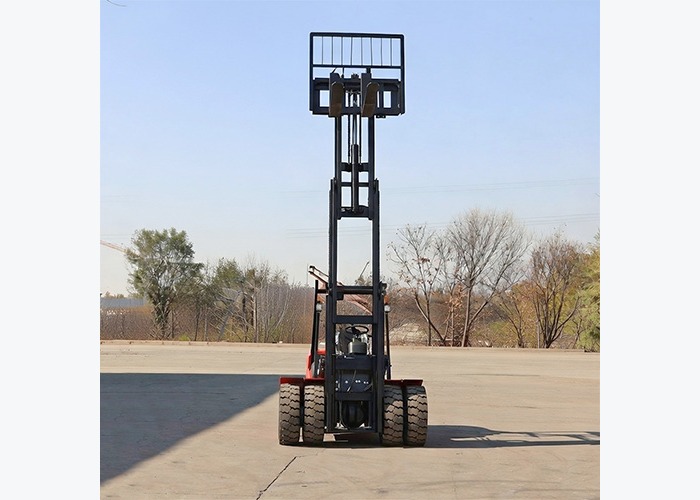
Overheating diagnosis should begin with when the temperature rises, how fast it rises, and what the truck is doing at the time. Guidance such as OSHA powered industrial truck standard is useful because it keeps the review tied to real operating control rather than to vague habit. In a working warehouse or yard, the checklist should reflect the actual route, load, charger routine, or placement task the machine will face. The main risk is that teams may chase parts without noticing that the heat appears only in one route condition. That is why the check should be explained in terms the operator and supervisor can both act on immediately.
A practical next step is to record whether the problem appears during heavy lifting, long travel, idling, ramp work, or dusty outdoor handling. Keep the observation concrete instead of relying on memory, because specific notes make maintenance and supervision faster. The relevant Diesel Forklift category can also help turn the observation into a product or application discussion that fits the site more cleanly. As a decision rule, describe the operating pattern before replacing components. That keeps the inspection connected to the daily task instead of turning it into a generic routine.
A diesel forklift working in dust, fibers, packaging debris, or outdoor grit can lose cooling efficiency when airflow through the radiator is restricted. Guidance such as OSHA powered industrial trucks eTool is useful because it keeps the review tied to real operating control rather than to vague habit. In a working warehouse or yard, the checklist should reflect the actual route, load, charger routine, or placement task the machine will face. The main risk is that operators may see the truck as clean while the cooling fins are already loaded with debris. That is why the check should be explained in terms the operator and supervisor can both act on immediately.
A practical next step is to inspect the radiator face and surrounding guards according to the manual and clean them with the approved method. Keep the observation concrete instead of relying on memory, because specific notes make maintenance and supervision faster. The relevant VY-CPC50 diesel forklift can also help turn the observation into a product or application discussion that fits the site more cleanly. As a decision rule, make radiator airflow part of the daily route-specific inspection. That keeps the inspection connected to the daily task instead of turning it into a generic routine.
Low coolant, contamination, leaks, or the wrong mixture can reduce cooling performance and create repeated temperature alarms. Guidance such as CCOHS forklift daily checks is useful because it keeps the review tied to real operating control rather than to vague habit. In a working warehouse or yard, the checklist should reflect the actual route, load, charger routine, or placement task the machine will face. The main risk is that opening a hot system or repeatedly topping up without finding the cause can create risk and hide damage. That is why the check should be explained in terms the operator and supervisor can both act on immediately.
A practical next step is to check coolant only when safe and according to the manufacturer’s procedure, then record any top-up or visible leak. Keep the observation concrete instead of relying on memory, because specific notes make maintenance and supervision faster. The relevant VY-CPC60 diesel forklift can also help turn the observation into a product or application discussion that fits the site more cleanly. As a decision rule, treat coolant loss as a fault to investigate, not a normal habit. That keeps the inspection connected to the daily task instead of turning it into a generic routine.
The cooling system depends on belts, hoses, clamps, fan condition, and water flow as well as radiator cleanliness. Guidance such as CCOHS forklift control guidance is useful because it keeps the review tied to real operating control rather than to vague habit. In a working warehouse or yard, the checklist should reflect the actual route, load, charger routine, or placement task the machine will face. The main risk is that a belt or hose issue may not fail until the truck is under the heaviest shift demand. That is why the check should be explained in terms the operator and supervisor can both act on immediately.
A practical next step is to look for cracks, looseness, swelling, leaks, rubbing, and unusual noise during scheduled inspection. Keep the observation concrete instead of relying on memory, because specific notes make maintenance and supervision faster. The relevant Diesel Forklift Daily Inspection Checklist can also help turn the observation into a product or application discussion that fits the site more cleanly. As a decision rule, remove the truck from heavy duty when cooling components show damage. That keeps the inspection connected to the daily task instead of turning it into a generic routine.
A maintenance interval that works indoors may be too light for outdoor routes with dust, chaff, cement powder, sawdust, or loose soil. Guidance such as HSE managing lift trucks is useful because it keeps the review tied to real operating control rather than to vague habit. In a working warehouse or yard, the checklist should reflect the actual route, load, charger routine, or placement task the machine will face. The main risk is that using a standard interval can let debris accumulate faster than the schedule expects. That is why the check should be explained in terms the operator and supervisor can both act on immediately.
A practical next step is to adjust inspection frequency around the actual material and surface the forklift crosses every day. Keep the observation concrete instead of relying on memory, because specific notes make maintenance and supervision faster. The relevant Heavy Duty Diesel Forklift Guide can also help turn the observation into a product or application discussion that fits the site more cleanly. As a decision rule, set cooling checks by environment, not only by calendar. That keeps the inspection connected to the daily task instead of turning it into a generic routine.
Forklifts that idle while waiting for trucks, paperwork, or staging space may build heat differently from trucks in steady movement. Guidance such as CDC forklift injury prevention is useful because it keeps the review tied to real operating control rather than to vague habit. In a working warehouse or yard, the checklist should reflect the actual route, load, charger routine, or placement task the machine will face. The main risk is that operators may blame travel work when the problem starts during waiting time. That is why the check should be explained in terms the operator and supervisor can both act on immediately.
A practical next step is to observe temperature behavior during queue time and reduce unnecessary idling where site procedure allows. Keep the observation concrete instead of relying on memory, because specific notes make maintenance and supervision faster. The relevant factory material handling solutions can also help turn the observation into a product or application discussion that fits the site more cleanly. As a decision rule, review queue habits along with engine maintenance. That keeps the inspection connected to the daily task instead of turning it into a generic routine.
Overheating can be linked to repeated near-capacity lifts, ramps, long travel loops, or poor staging that makes the truck work harder than expected. Guidance such as OSHA powered industrial truck standard is useful because it keeps the review tied to real operating control rather than to vague habit. In a working warehouse or yard, the checklist should reflect the actual route, load, charger routine, or placement task the machine will face. The main risk is that a truck may be mechanically healthy but underspecified for the changed duty cycle. That is why the check should be explained in terms the operator and supervisor can both act on immediately.
A practical next step is to compare the overheating complaint with load weight, cycle count, ramp use, and travel distance. Keep the observation concrete instead of relying on memory, because specific notes make maintenance and supervision faster. The relevant contact the VARYON team can also help turn the observation into a product or application discussion that fits the site more cleanly. As a decision rule, review application fit when overheating appears after workload growth. That keeps the inspection connected to the daily task instead of turning it into a generic routine.
Temperature alarms, steam, coolant smell, loss of power, unusual fan noise, and visible leaks are evidence that should be recorded immediately. Guidance such as OSHA powered industrial trucks eTool is useful because it keeps the review tied to real operating control rather than to vague habit. In a working warehouse or yard, the checklist should reflect the actual route, load, charger routine, or placement task the machine will face. The main risk is that clearing the symptom without evidence makes repair slower and less reliable. That is why the check should be explained in terms the operator and supervisor can both act on immediately.
A practical next step is to write down the warning, stop location, load condition, and operating time before restarting or moving the truck. Keep the observation concrete instead of relying on memory, because specific notes make maintenance and supervision faster. The relevant Diesel Forklift category can also help turn the observation into a product or application discussion that fits the site more cleanly. As a decision rule, preserve the fault history for the service technician. That keeps the inspection connected to the daily task instead of turning it into a generic routine.
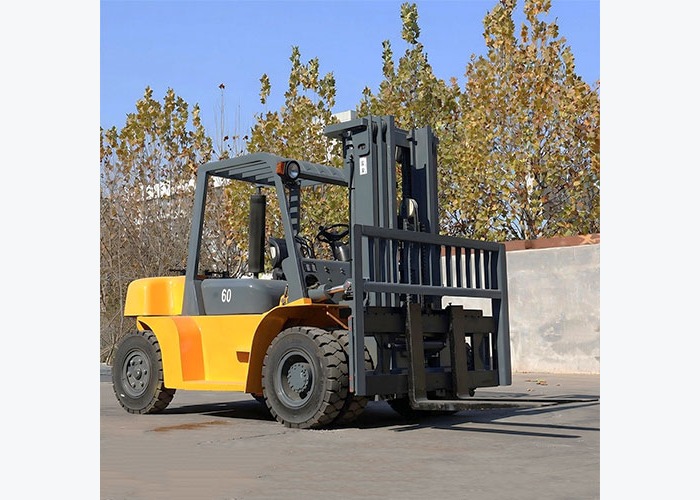
Operators need a clear rule for what to do when temperature rises instead of improvising during a busy shift. Guidance such as CCOHS forklift daily checks is useful because it keeps the review tied to real operating control rather than to vague habit. In a working warehouse or yard, the checklist should reflect the actual route, load, charger routine, or placement task the machine will face. The main risk is that an operator trying to finish one more pallet can turn a cooling issue into engine damage. That is why the check should be explained in terms the operator and supervisor can both act on immediately.
A practical next step is to define when to stop, who to notify, where to park, and what checks are allowed without opening hot components. Keep the observation concrete instead of relying on memory, because specific notes make maintenance and supervision faster. The relevant VY-CPC50 diesel forklift can also help turn the observation into a product or application discussion that fits the site more cleanly. As a decision rule, make the stop-and-report threshold simple and non-negotiable. That keeps the inspection connected to the daily task instead of turning it into a generic routine.
If a diesel forklift regularly works in hot, dusty, or high-cycle duty, the cooling package and service access should be part of the buying discussion. Guidance such as CCOHS forklift control guidance is useful because it keeps the review tied to real operating control rather than to vague habit. In a working warehouse or yard, the checklist should reflect the actual route, load, charger routine, or placement task the machine will face. The main risk is that buyers may compare only capacity and price while ignoring the environment that drives heat. That is why the check should be explained in terms the operator and supervisor can both act on immediately.
A practical next step is to send workload, climate, dust exposure, load weight, and shift duration details with the inquiry. Keep the observation concrete instead of relying on memory, because specific notes make maintenance and supervision faster. The relevant VY-CPC60 diesel forklift can also help turn the observation into a product or application discussion that fits the site more cleanly. As a decision rule, include cooling and service access in the final specification. That keeps the inspection connected to the daily task instead of turning it into a generic routine.
Why does a diesel forklift overheat only in the afternoon? Afternoon heat, dust buildup, longer queue time, heavier loads, and repeated cycles can combine to create a temperature pattern that does not appear early in the day.
Can operators clean a radiator themselves? Only if site rules and the manual allow it. Cleaning method matters because incorrect pressure or direction can damage fins or push debris deeper.
Should a forklift keep working after a temperature warning? No. The operator should follow the site’s stop-and-report procedure and avoid opening hot systems or guessing at repairs.
Watch a related diesel forklift video here: https://www.youtube.com/watch?v=jxSRUlbpBa8.

Diesel forklift overheating is usually a signal to review the whole cooling environment: radiator airflow, coolant condition, belts, hoses, route dust, load demand, and operator response.
The best outcome comes from recording the temperature pattern, stopping early, and correcting the cause before the truck returns to heavy duty.
For support, send VARYON the forklift model, workload, operating temperature, dust exposure, warning details, and photos of the route and radiator area.