Get in touch
* Your personal information is securely protected and will only be used for business communication purposes.

A heavy duty diesel forklift earns its place when the work is not only heavy on paper but also rough in practice. Stone yards, timber loading areas, steel storage zones, and outdoor factory routes combine high load weight with dust, slope changes, longer travel, and repeated direction changes. A truck that looks adequate in a standard brochure comparison may still struggle once the route adds poor surface transitions, long load centers, or a nonstop outdoor duty cycle.
This guide explains how to evaluate a heavy duty diesel forklift in practical operating terms. It focuses on capacity margin, tire and mast choices, route conditions, attachment impact, operator visibility, and the site details that separate a reliable outdoor forklift from one that is only technically able to lift the load once.
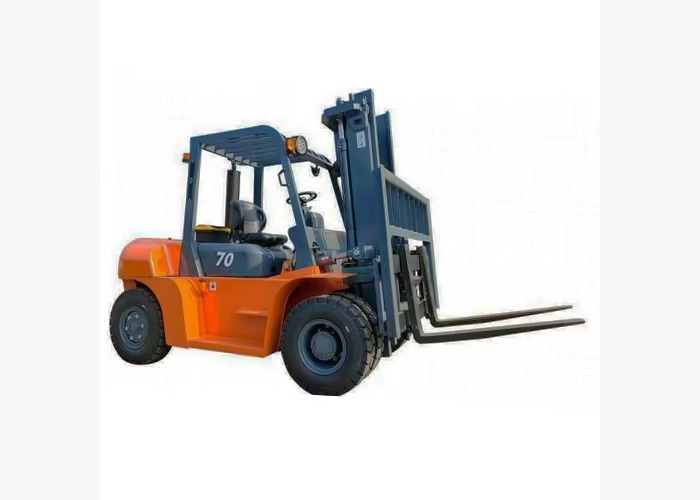
Heavy duty forklift selection should be based on the worst repeatable pallet, bundle, or crate rather than the easiest load handled during the week. This is a practical operating issue, not merely a specification detail. The OSHA powered industrial truck guidance provides useful context for the control principles behind this decision. In a real warehouse or yard, the condition should be reviewed with the actual load, route, battery routine, or placement task in mind. The main risk is that buyers may choose a machine that feels strong in general but loses its safety margin on the heaviest daily cycle. Supervisors and buyers should therefore connect the observation to the real job pattern before assuming a standard configuration will work.
A reliable next step is to record the maximum routine load weight, dimensions, load center, and any overhang before asking for a recommendation. Record what was observed instead of relying on memory, because clear operating details make supplier discussions and internal decisions much faster. The relevant diesel forklift category can help translate the requirement into a machine option that fits the route more cleanly. Avoid solving the issue with assumptions or informal workarounds that only look acceptable in a short demonstration. As a decision rule, select the truck around the real heavy-load program instead of around an optimistic average. That keeps the buying decision tied to the daily task rather than to a generic machine label.
A forklift working on concrete, compacted gravel, broken yard edges, and slope transitions is facing a different job from one running only on a smooth warehouse floor. This is a practical operating issue, not merely a specification detail. The OSHA powered industrial truck standard provides useful context for the control principles behind this decision. In a real warehouse or yard, the condition should be reviewed with the actual load, route, battery routine, or placement task in mind. The main risk is that ignoring the route can leave the operation with enough lifting force but not enough stability or operator confidence. Supervisors and buyers should therefore connect the observation to the real job pattern before assuming a standard configuration will work.
A reliable next step is to walk the full route and note where the truck crosses rough patches, drains, ramps, or wet ground before finalizing the specification. Record what was observed instead of relying on memory, because clear operating details make supplier discussions and internal decisions much faster. The relevant VY-CPC35 diesel forklift can help translate the requirement into a machine option that fits the route more cleanly. Avoid solving the issue with assumptions or informal workarounds that only look acceptable in a short demonstration. As a decision rule, treat ground condition as part of the heavy duty requirement rather than as a separate maintenance issue. That keeps the buying decision tied to the daily task rather than to a generic machine label.
Long timber packs, wide stone crates, fork extensions, clamps, or side shifters can reduce effective capacity even when the nominal truck class looks sufficient. This is a practical operating issue, not merely a specification detail. The OSHA forklift load-composition guidance provides useful context for the control principles behind this decision. In a real warehouse or yard, the condition should be reviewed with the actual load, route, battery routine, or placement task in mind. The main risk is that teams may approve a heavy duty truck by tonnage alone and overlook how the real front-end setup changes usable lift performance. Supervisors and buyers should therefore connect the observation to the real job pattern before assuming a standard configuration will work.
A reliable next step is to confirm rated capacity with the actual fork length, attachment package, and load center used on site. Record what was observed instead of relying on memory, because clear operating details make supplier discussions and internal decisions much faster. The relevant VY-CPC50 diesel forklift can help translate the requirement into a machine option that fits the route more cleanly. Avoid solving the issue with assumptions or informal workarounds that only look acceptable in a short demonstration. As a decision rule, ask for configuration-specific capacity confirmation before placing the order. That keeps the buying decision tied to the daily task rather than to a generic machine label.
Heavy outdoor work still depends on the right mast because lift height, lowered mast height, and forward visibility all affect daily productivity. This is a practical operating issue, not merely a specification detail. The OSHA mast and hydraulic lift overview provides useful context for the control principles behind this decision. In a real warehouse or yard, the condition should be reviewed with the actual load, route, battery routine, or placement task in mind. The main risk is that a mast chosen only for maximum height can reduce confidence and slow movement across the yard. Supervisors and buyers should therefore connect the observation to the real job pattern before assuming a standard configuration will work.
A reliable next step is to compare whether the route needs extra free lift, clearance under structures, or better visibility when traveling with tall loads. Record what was observed instead of relying on memory, because clear operating details make supplier discussions and internal decisions much faster. The relevant VY-CPC60 diesel forklift can help translate the requirement into a machine option that fits the route more cleanly. Avoid solving the issue with assumptions or informal workarounds that only look acceptable in a short demonstration. As a decision rule, pick the mast around the work pattern instead of around the biggest number on the quote. That keeps the buying decision tied to the daily task rather than to a generic machine label.
Heavy duty diesel forklifts often work where tires decide how comfortably the truck handles dust, debris, uneven surfaces, and longer loaded travel. This is a practical operating issue, not merely a specification detail. The NIOSH forklift safety guidance provides useful context for the control principles behind this decision. In a real warehouse or yard, the condition should be reviewed with the actual load, route, battery routine, or placement task in mind. The main risk is that a mismatch between tires and surface can increase vibration, reduce traction, and speed up wear. Supervisors and buyers should therefore connect the observation to the real job pattern before assuming a standard configuration will work.
A reliable next step is to review whether the route includes rough aggregate, wet patches, steel plate crossings, or mixed indoor-outdoor transitions before choosing tire style. Record what was observed instead of relying on memory, because clear operating details make supplier discussions and internal decisions much faster. The relevant VY-CPC80 diesel forklift can help translate the requirement into a machine option that fits the route more cleanly. Avoid solving the issue with assumptions or informal workarounds that only look acceptable in a short demonstration. As a decision rule, match tire choice to the route that the truck actually repeats every day. That keeps the buying decision tied to the daily task rather than to a generic machine label.
A high-capacity forklift still loses time if the yard forces awkward reversals, blind turns, or repeated realignment around stored material. This is a practical operating issue, not merely a specification detail. The CCOHS forklift safety guidance provides useful context for the control principles behind this decision. In a real warehouse or yard, the condition should be reviewed with the actual load, route, battery routine, or placement task in mind. The main risk is that poor layout can make a capable truck feel cumbersome and raise damage risk around stored goods. Supervisors and buyers should therefore connect the observation to the real job pattern before assuming a standard configuration will work.
A reliable next step is to map the staging lanes, travel direction, and turning zones where the heaviest loads move most often. Record what was observed instead of relying on memory, because clear operating details make supplier discussions and internal decisions much faster. The relevant products overview can help translate the requirement into a machine option that fits the route more cleanly. Avoid solving the issue with assumptions or informal workarounds that only look acceptable in a short demonstration. As a decision rule, combine forklift selection with staging rules so the route stays predictable under pressure. That keeps the buying decision tied to the daily task rather than to a generic machine label.
Outdoor heavy handling usually means longer running periods, slower loaded movement, and more heat buildup than light indoor use. This is a practical operating issue, not merely a specification detail. The HSE lift-truck training guidance provides useful context for the control principles behind this decision. In a real warehouse or yard, the condition should be reviewed with the actual load, route, battery routine, or placement task in mind. The main risk is that a truck selected without duty-cycle context may look fine at delivery but show weakness during full-shift peaks. Supervisors and buyers should therefore connect the observation to the real job pattern before assuming a standard configuration will work.
A reliable next step is to describe the real duty cycle, idle time, climate, and peak-hour workload when comparing diesel models. Record what was observed instead of relying on memory, because clear operating details make supplier discussions and internal decisions much faster. The relevant factory material handling solutions can help translate the requirement into a machine option that fits the route more cleanly. Avoid solving the issue with assumptions or informal workarounds that only look acceptable in a short demonstration. As a decision rule, specify the forklift around the sustained workload instead of around a short demo cycle. That keeps the buying decision tied to the daily task rather than to a generic machine label.
Heavy loads reduce sightlines and increase the consequences of small approach errors near stacks, trailers, or storage lanes. This is a practical operating issue, not merely a specification detail. The Wikipedia overview of forklift trucks provides useful context for the control principles behind this decision. In a real warehouse or yard, the condition should be reviewed with the actual load, route, battery routine, or placement task in mind. The main risk is that small visibility problems can turn into broken packaging, bent product, or near misses in crowded outdoor areas. Supervisors and buyers should therefore connect the observation to the real job pattern before assuming a standard configuration will work.
A reliable next step is to set simple visibility checks, horn use, signal rules, and spotter expectations for the heaviest routes. Record what was observed instead of relying on memory, because clear operating details make supplier discussions and internal decisions much faster. The relevant contact the VARYON team can help translate the requirement into a machine option that fits the route more cleanly. Avoid solving the issue with assumptions or informal workarounds that only look acceptable in a short demonstration. As a decision rule, treat visibility control as part of the machine fit, not only as operator habit. That keeps the buying decision tied to the daily task rather than to a generic machine label.
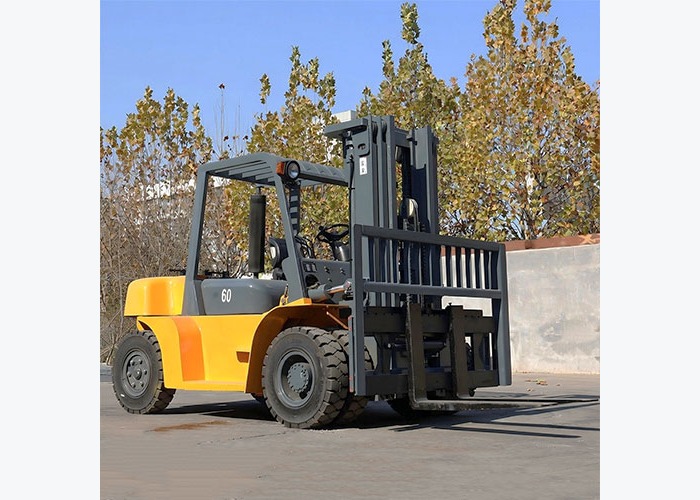
Brakes, forks, mast channels, hydraulics, steer axle behavior, and tire condition all matter more when the truck repeats outdoor heavy lifts all day. This is a practical operating issue, not merely a specification detail. The OSHA powered industrial truck guidance provides useful context for the control principles behind this decision. In a real warehouse or yard, the condition should be reviewed with the actual load, route, battery routine, or placement task in mind. The main risk is that without a route-specific check, high-stress wear may go unnoticed until the truck is already needed urgently. Supervisors and buyers should therefore connect the observation to the real job pattern before assuming a standard configuration will work.
A reliable next step is to build a route-specific inspection routine for forks, carriage, mast, leaks, tires, brake feel, and warning devices before each shift. Record what was observed instead of relying on memory, because clear operating details make supplier discussions and internal decisions much faster. The relevant diesel forklift category can help translate the requirement into a machine option that fits the route more cleanly. Avoid solving the issue with assumptions or informal workarounds that only look acceptable in a short demonstration. As a decision rule, inspect for heavy-duty stress before production starts rather than after the truck shows symptoms. That keeps the buying decision tied to the daily task rather than to a generic machine label.
Suppliers give better heavy duty recommendations when they receive the route, load details, attachments, lift height, and yard conditions together. This is a practical operating issue, not merely a specification detail. The OSHA powered industrial truck standard provides useful context for the control principles behind this decision. In a real warehouse or yard, the condition should be reviewed with the actual load, route, battery routine, or placement task in mind. The main risk is that generic requests for a heavy duty forklift often miss the real factors that define the safest machine. Supervisors and buyers should therefore connect the observation to the real job pattern before assuming a standard configuration will work.
A reliable next step is to send photos, route notes, surface descriptions, load drawings, and shift expectations with the purchase request. Record what was observed instead of relying on memory, because clear operating details make supplier discussions and internal decisions much faster. The relevant VY-CPC35 diesel forklift can help translate the requirement into a machine option that fits the route more cleanly. Avoid solving the issue with assumptions or informal workarounds that only look acceptable in a short demonstration. As a decision rule, describe the yard operation clearly so the recommendation is tied to actual handling work. That keeps the buying decision tied to the daily task rather than to a generic machine label.
What makes a diesel forklift truly heavy duty? It is not only rated tonnage. A truly heavy duty setup matches high load weight with the real load center, route surface, mast choice, tire fit, and sustained duty cycle.
Can I size a heavy duty diesel forklift by capacity alone? That is risky. Attachments, fork length, route slope, and outdoor surfaces can all change how safely the truck handles the actual job.
Why do yard conditions matter so much in forklift selection? Because rough surfaces, turning limits, and wet or dusty areas directly affect traction, visibility, braking feel, and the operator’s ability to repeat heavy lifts consistently.
Watch a related diesel forklift video here: https://www.youtube.com/watch?v=Pn4j5k7LRQI.

A heavy duty diesel forklift should be chosen around the full outdoor handling route, not just around the maximum weight printed on a load sheet.
The best result comes from combining realistic capacity margin, suitable tires, mast visibility, disciplined staging, and a route-specific inspection routine. That approach helps a heavy forklift stay productive in stone yards, timber zones, and other rough outdoor applications where the job keeps repeating under load.
For a more accurate recommendation, share your heaviest load dimensions, yard photos, surface conditions, lift height, and duty cycle with VARYON.