Get in touch
* Your personal information is securely protected and will only be used for business communication purposes.

Cold storage changes the way an electric forklift behaves. Battery output, tire grip, condensation, visibility, operator comfort, charger location, and control response can all differ from a standard dry warehouse. A truck that performs well in normal indoor storage may need a tighter operating plan before it is trusted in a cold room, chilled dock, or freezer-facing transfer route.
This guide is written for buyers and warehouse teams evaluating electric forklifts for cold storage and temperature-controlled logistics. It focuses on the practical questions that affect daily reliability: how long the truck works in low temperature, where it charges, how condensation is managed, what happens at door transitions, and how the route is inspected before each shift.
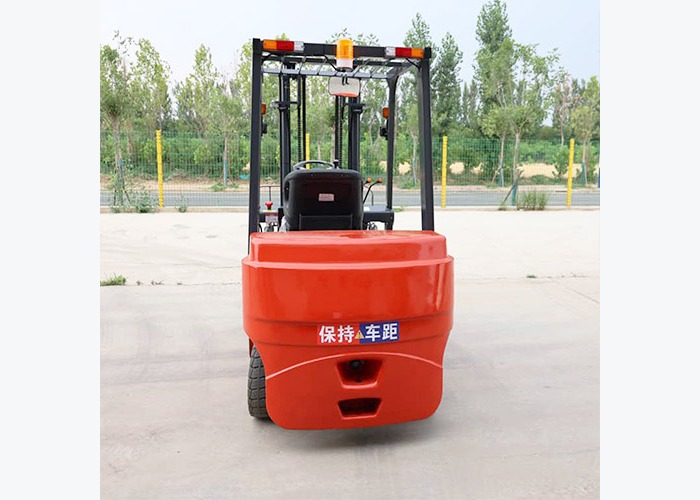
Cold storage is rarely one uniform environment; the truck may move between ambient docks, chilled rooms, freezer doors, and charging areas. Guidance such as OSHA powered industrial truck standard is useful because it keeps the review tied to real operating control rather than to vague habit. In a working warehouse or yard, the checklist should reflect the actual route, load, charger routine, or placement task the machine will face. The main risk is that buyers may plan around the coldest room but miss the repeated transition that creates condensation. That is why the check should be explained in terms the operator and supervisor can both act on immediately.
A practical next step is to map each temperature zone, travel time, door opening pattern, and waiting point before selecting the truck. Keep the observation concrete instead of relying on memory, because specific notes make maintenance and supervision faster. The relevant Electric Forklift category can also help turn the observation into a product or application discussion that fits the site more cleanly. As a decision rule, define the full temperature route rather than only the storage room. That keeps the inspection connected to the daily task instead of turning it into a generic routine.
Low temperature and heavier refrigeration-zone work can reduce practical runtime or change how quickly the battery recovers. Guidance such as OSHA electric powered industrial trucks is useful because it keeps the review tied to real operating control rather than to vague habit. In a working warehouse or yard, the checklist should reflect the actual route, load, charger routine, or placement task the machine will face. The main risk is that a battery plan based on ordinary warehouse duty may fall short during peak cold-room cycles. That is why the check should be explained in terms the operator and supervisor can both act on immediately.
A practical next step is to record expected travel distance, lift frequency, pallet weight, and time spent inside cold zones. Keep the observation concrete instead of relying on memory, because specific notes make maintenance and supervision faster. The relevant VY-CPD20 electric forklift can also help turn the observation into a product or application discussion that fits the site more cleanly. As a decision rule, size the battery and charging routine around the coldest realistic workload. That keeps the inspection connected to the daily task instead of turning it into a generic routine.
Charging in the wrong location can introduce condensation, cable handling issues, and queue delays between cold and warm zones. Guidance such as OSHA battery charging guidance is useful because it keeps the review tied to real operating control rather than to vague habit. In a working warehouse or yard, the checklist should reflect the actual route, load, charger routine, or placement task the machine will face. The main risk is that moving a cold truck directly into a warm humid charging bay can create unwanted moisture. That is why the check should be explained in terms the operator and supervisor can both act on immediately.
A practical next step is to place chargers where the battery system, ventilation, traffic flow, and moisture exposure can be controlled. Keep the observation concrete instead of relying on memory, because specific notes make maintenance and supervision faster. The relevant VY-CPD25 electric forklift can also help turn the observation into a product or application discussion that fits the site more cleanly. As a decision rule, review charging location as part of the cold-storage design. That keeps the inspection connected to the daily task instead of turning it into a generic routine.
Moisture can affect visibility, controls, connectors, brakes, and electrical components if transitions are not managed. Guidance such as CCOHS battery charging safety is useful because it keeps the review tied to real operating control rather than to vague habit. In a working warehouse or yard, the checklist should reflect the actual route, load, charger routine, or placement task the machine will face. The main risk is that operators may notice fogging but not the hidden moisture around connectors and control surfaces. That is why the check should be explained in terms the operator and supervisor can both act on immediately.
A practical next step is to inspect the truck after temperature transitions and define a warm-up or drying routine when the application requires it. Keep the observation concrete instead of relying on memory, because specific notes make maintenance and supervision faster. The relevant Electric Forklift Charging Time Guide can also help turn the observation into a product or application discussion that fits the site more cleanly. As a decision rule, treat condensation as a planned condition, not a surprise. That keeps the inspection connected to the daily task instead of turning it into a generic routine.
Cold room floors, wet dock areas, plastic wrapping debris, and frost near doors can reduce grip even for indoor electric forklifts. Guidance such as HSE workplace transport is useful because it keeps the review tied to real operating control rather than to vague habit. In a working warehouse or yard, the checklist should reflect the actual route, load, charger routine, or placement task the machine will face. The main risk is that a truck that grips well on dry warehouse concrete can feel uncertain near cold-room doors. That is why the check should be explained in terms the operator and supervisor can both act on immediately.
A practical next step is to check tire type, floor condition, door thresholds, drainage, and cleaning routines before approving the route. Keep the observation concrete instead of relying on memory, because specific notes make maintenance and supervision faster. The relevant Electric Forklift Maintenance Checklist can also help turn the observation into a product or application discussion that fits the site more cleanly. As a decision rule, match tires and housekeeping to the actual cold-route surface. That keeps the inspection connected to the daily task instead of turning it into a generic routine.
Cold storage doors often combine limited visibility, condensation, pedestrians, staged pallets, and time pressure. Guidance such as CDC forklift injury prevention is useful because it keeps the review tied to real operating control rather than to vague habit. In a working warehouse or yard, the checklist should reflect the actual route, load, charger routine, or placement task the machine will face. The main risk is that operators may rush door transitions to protect temperature control and create traffic conflict. That is why the check should be explained in terms the operator and supervisor can both act on immediately.
A practical next step is to set approach rules, horn use, mirror placement, lighting, and pedestrian separation at doorways. Keep the observation concrete instead of relying on memory, because specific notes make maintenance and supervision faster. The relevant warehousing and logistics solutions can also help turn the observation into a product or application discussion that fits the site more cleanly. As a decision rule, manage the doorway as a high-attention point. That keeps the inspection connected to the daily task instead of turning it into a generic routine.
Cold conditions can affect how the truck feels when lifting, lowering, and steering, especially during the first cycles of a shift. Guidance such as OSHA powered industrial truck standard is useful because it keeps the review tied to real operating control rather than to vague habit. In a working warehouse or yard, the checklist should reflect the actual route, load, charger routine, or placement task the machine will face. The main risk is that small changes may be ignored until they become a downtime event inside the cold zone. That is why the check should be explained in terms the operator and supervisor can both act on immediately.
A practical next step is to monitor unusual noise, slow response, jerky lift, or control delay and report patterns immediately. Keep the observation concrete instead of relying on memory, because specific notes make maintenance and supervision faster. The relevant contact VARYON for warehouse planning can also help turn the observation into a product or application discussion that fits the site more cleanly. As a decision rule, record symptoms by temperature and operating time. That keeps the inspection connected to the daily task instead of turning it into a generic routine.
Cold environments can reduce attention, slow reaction, and make repeated checks feel more burdensome. Guidance such as OSHA electric powered industrial trucks is useful because it keeps the review tied to real operating control rather than to vague habit. In a working warehouse or yard, the checklist should reflect the actual route, load, charger routine, or placement task the machine will face. The main risk is that a good truck setup can still fail if the human routine is unrealistic. That is why the check should be explained in terms the operator and supervisor can both act on immediately.
A practical next step is to plan breaks, clothing, visibility aids, and inspection routines that operators can follow consistently. Keep the observation concrete instead of relying on memory, because specific notes make maintenance and supervision faster. The relevant Electric Forklift category can also help turn the observation into a product or application discussion that fits the site more cleanly. As a decision rule, design the process for the people doing the work. That keeps the inspection connected to the daily task instead of turning it into a generic routine.
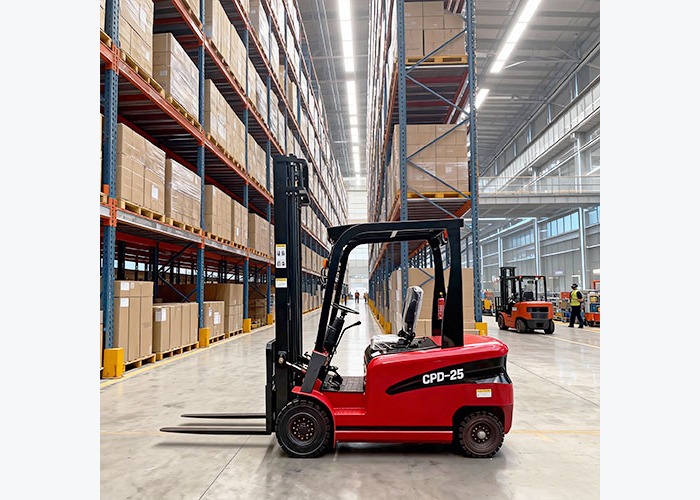
Cold storage applications often deserve more frequent inspection of connectors, tires, brakes, mast parts, and moisture-sensitive areas. Guidance such as OSHA battery charging guidance is useful because it keeps the review tied to real operating control rather than to vague habit. In a working warehouse or yard, the checklist should reflect the actual route, load, charger routine, or placement task the machine will face. The main risk is that using a standard dry-warehouse interval may miss early signs of cold-use wear. That is why the check should be explained in terms the operator and supervisor can both act on immediately.
A practical next step is to adjust the maintenance schedule around cold-zone hours, transition frequency, and recurring symptoms. Keep the observation concrete instead of relying on memory, because specific notes make maintenance and supervision faster. The relevant VY-CPD20 electric forklift can also help turn the observation into a product or application discussion that fits the site more cleanly. As a decision rule, review service frequency after the first weeks of operation. That keeps the inspection connected to the daily task instead of turning it into a generic routine.
Suppliers can recommend the right electric forklift more accurately when they understand temperature range, exposure time, and charging location. Guidance such as CCOHS battery charging safety is useful because it keeps the review tied to real operating control rather than to vague habit. In a working warehouse or yard, the checklist should reflect the actual route, load, charger routine, or placement task the machine will face. The main risk is that generic electric forklift requests cannot reveal whether cold storage is the demanding variable. That is why the check should be explained in terms the operator and supervisor can both act on immediately.
A practical next step is to send temperature data, room layout, door count, pallet weights, charging plan, and route photos with the inquiry. Keep the observation concrete instead of relying on memory, because specific notes make maintenance and supervision faster. The relevant VY-CPD25 electric forklift can also help turn the observation into a product or application discussion that fits the site more cleanly. As a decision rule, make the cold route visible in the specification. That keeps the inspection connected to the daily task instead of turning it into a generic routine.
Can an electric forklift work in cold storage? Yes, but the battery, tire, condensation, charger, and maintenance plan should be matched to the exact temperature route.
Why does condensation matter for electric forklifts? Temperature changes can create moisture on surfaces and around components, so inspection and transition routines are important.
Should the charger be inside the cold room? Not automatically. The correct charging location depends on battery type, ventilation, traffic flow, moisture control, and manufacturer guidance.
Watch a related electric forklift video here: https://www.youtube.com/watch?v=a6yXZOCzZxk.

An electric forklift can work well in cold storage when the warehouse treats temperature as a design variable, not a background detail.
The key is to plan runtime, charging, condensation control, tire grip, door traffic, and maintenance around the real route.
For a cold-storage recommendation, send VARYON the temperature range, route map, pallet weight, operating hours, and charger-location options.