Get in touch
* Your personal information is securely protected and will only be used for business communication purposes.

Electric forklift maintenance is easiest when the team treats inspection as a daily operating habit rather than a repair activity that begins after a failure. A small issue in the battery connector, tire, brake, mast channel, fork heel, warning light, or charger routine can affect safety and productivity long before the truck fully stops working.
This checklist is written for warehouse supervisors, operators, and maintenance coordinators who need a practical inspection routine. It covers pre-shift checks, battery and charging habits, tire and brake inspection, mast and hydraulic review, controls, records, and the decisions that help keep an electric forklift reliable across repeated shifts.
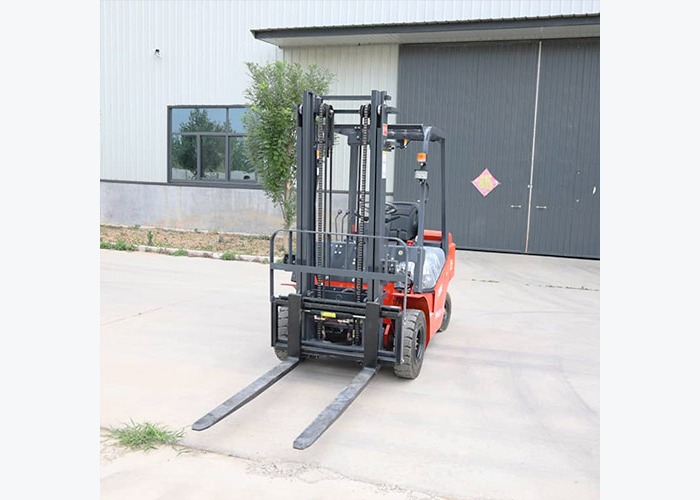
The best maintenance program begins before the truck moves, when the operator can still spot visible damage, leaks, loose parts, or unusual wear without production pressure. This is a practical operating issue, not merely a specification detail. The OSHA electric powered industrial truck guidance provides useful context for the control principles behind this decision. In a real warehouse or yard, the condition should be reviewed with the actual load, route, battery routine, or placement task in mind. The main risk is that inconsistent inspection lets small problems hide until the truck is already needed. Supervisors and buyers should therefore connect the observation to the real job pattern before assuming a standard configuration will work.
A reliable next step is to walk around the truck in the same order every shift and record anything abnormal before loading begins. Record what was observed instead of relying on memory, because clear operating details make supplier discussions and internal decisions much faster. The relevant electric forklift category can help translate the requirement into a machine option that fits the route more cleanly. Avoid solving the issue with assumptions or informal workarounds that only look acceptable in a short demonstration. As a decision rule, make the checklist routine short enough to follow and serious enough to matter. That keeps the buying decision tied to the daily task rather than to a generic machine label.
Battery care affects runtime, lifting performance, charger availability, and long-term ownership cost. This is a practical operating issue, not merely a specification detail. The OSHA battery charging guidance provides useful context for the control principles behind this decision. In a real warehouse or yard, the condition should be reviewed with the actual load, route, battery routine, or placement task in mind. The main risk is that a truck with a marginal battery may pass the first hour and then disrupt the busiest part of the shift. Supervisors and buyers should therefore connect the observation to the real job pattern before assuming a standard configuration will work.
A reliable next step is to check state of charge, connector condition, cable strain, visible damage, and any warning indicator before assigning the truck. Record what was observed instead of relying on memory, because clear operating details make supplier discussions and internal decisions much faster. The relevant VY-CPD15 electric forklift can help translate the requirement into a machine option that fits the route more cleanly. Avoid solving the issue with assumptions or informal workarounds that only look acceptable in a short demonstration. As a decision rule, treat battery condition as a production readiness item. That keeps the buying decision tied to the daily task rather than to a generic machine label.
A good electric forklift can still lose availability when charging is random, connectors are left on the floor, or responsibility is unclear. This is a practical operating issue, not merely a specification detail. The OSHA warehouse hazards and solutions provides useful context for the control principles behind this decision. In a real warehouse or yard, the condition should be reviewed with the actual load, route, battery routine, or placement task in mind. The main risk is that missed charging often looks like a battery problem when it is actually a handover problem. Supervisors and buyers should therefore connect the observation to the real job pattern before assuming a standard configuration will work.
A reliable next step is to define who plugs in, who unplugs, where cables rest, and how charging exceptions are reported. Record what was observed instead of relying on memory, because clear operating details make supplier discussions and internal decisions much faster. The relevant VY-CPD20 electric forklift can help translate the requirement into a machine option that fits the route more cleanly. Avoid solving the issue with assumptions or informal workarounds that only look acceptable in a short demonstration. As a decision rule, make charging behavior part of maintenance control. That keeps the buying decision tied to the daily task rather than to a generic machine label.
Chunking, flat spots, uneven wear, embedded debris, and sidewall damage reveal route conditions and operating habits. This is a practical operating issue, not merely a specification detail. The OSHA powered industrial truck standard provides useful context for the control principles behind this decision. In a real warehouse or yard, the condition should be reviewed with the actual load, route, battery routine, or placement task in mind. The main risk is that a tire issue can reduce stability and increase vibration before it becomes an obvious failure. Supervisors and buyers should therefore connect the observation to the real job pattern before assuming a standard configuration will work.
A reliable next step is to inspect all tires and compare wear patterns with turning areas, thresholds, dock plates, and floor joints. Record what was observed instead of relying on memory, because clear operating details make supplier discussions and internal decisions much faster. The relevant VY-CPD25 electric forklift can help translate the requirement into a machine option that fits the route more cleanly. Avoid solving the issue with assumptions or informal workarounds that only look acceptable in a short demonstration. As a decision rule, use tire condition to improve both maintenance and route discipline. That keeps the buying decision tied to the daily task rather than to a generic machine label.
Electric forklifts often work close to people, racks, doors, and staged goods, so braking response cannot be left to guesswork. This is a practical operating issue, not merely a specification detail. The CCOHS battery charging safety provides useful context for the control principles behind this decision. In a real warehouse or yard, the condition should be reviewed with the actual load, route, battery routine, or placement task in mind. The main risk is that operators may adapt unconsciously to weak or inconsistent braking. Supervisors and buyers should therefore connect the observation to the real job pattern before assuming a standard configuration will work.
A reliable next step is to test service brake, parking brake, directional control, and creep behavior in the approved inspection area. Record what was observed instead of relying on memory, because clear operating details make supplier discussions and internal decisions much faster. The relevant VY-CPD30 electric forklift can help translate the requirement into a machine option that fits the route more cleanly. Avoid solving the issue with assumptions or informal workarounds that only look acceptable in a short demonstration. As a decision rule, remove the truck from service when brake behavior changes. That keeps the buying decision tied to the daily task rather than to a generic machine label.
Fork wear, cracked heels, bent tips, loose backrest parts, chain issues, and mast debris can all affect load control. This is a practical operating issue, not merely a specification detail. The HSE workplace transport guidance provides useful context for the control principles behind this decision. In a real warehouse or yard, the condition should be reviewed with the actual load, route, battery routine, or placement task in mind. The main risk is that a truck can drive normally while the lifting system is already developing risk. Supervisors and buyers should therefore connect the observation to the real job pattern before assuming a standard configuration will work.
A reliable next step is to inspect forks, carriage, chains, rollers, channels, backrest, and visible hydraulic areas without entering pinch zones. Record what was observed instead of relying on memory, because clear operating details make supplier discussions and internal decisions much faster. The relevant VY-CPD35 electric forklift can help translate the requirement into a machine option that fits the route more cleanly. Avoid solving the issue with assumptions or informal workarounds that only look acceptable in a short demonstration. As a decision rule, report structural, chain, or mast damage immediately. That keeps the buying decision tied to the daily task rather than to a generic machine label.
Even small leaks can indicate seal wear, hose damage, fitting looseness, or contamination that affects lifting reliability. This is a practical operating issue, not merely a specification detail. The NIOSH forklift safety guidance provides useful context for the control principles behind this decision. In a real warehouse or yard, the condition should be reviewed with the actual load, route, battery routine, or placement task in mind. The main risk is that wiping up oil without fixing the cause allows the same failure to grow. Supervisors and buyers should therefore connect the observation to the real job pattern before assuming a standard configuration will work.
A reliable next step is to look for fresh oil around hoses, cylinders, valve areas, floor parking spots, and mast components. Record what was observed instead of relying on memory, because clear operating details make supplier discussions and internal decisions much faster. The relevant warehousing and logistics solutions can help translate the requirement into a machine option that fits the route more cleanly. Avoid solving the issue with assumptions or informal workarounds that only look acceptable in a short demonstration. As a decision rule, investigate recurring leakage before returning the truck to normal duty. That keeps the buying decision tied to the daily task rather than to a generic machine label.
Warning and control systems are part of daily safety because pedestrians and nearby operators rely on predictable signals. This is a practical operating issue, not merely a specification detail. The Wikipedia electric battery overview provides useful context for the control principles behind this decision. In a real warehouse or yard, the condition should be reviewed with the actual load, route, battery routine, or placement task in mind. The main risk is that a silent horn or ignored warning light can change the risk profile of a busy aisle. Supervisors and buyers should therefore connect the observation to the real job pattern before assuming a standard configuration will work.
A reliable next step is to check horn, lights, display warnings, emergency stop, direction control, seat or presence functions, and backup alarms where fitted. Record what was observed instead of relying on memory, because clear operating details make supplier discussions and internal decisions much faster. The relevant contact VARYON for fleet support can help translate the requirement into a machine option that fits the route more cleanly. Avoid solving the issue with assumptions or informal workarounds that only look acceptable in a short demonstration. As a decision rule, fix communication and control faults before peak traffic. That keeps the buying decision tied to the daily task rather than to a generic machine label.
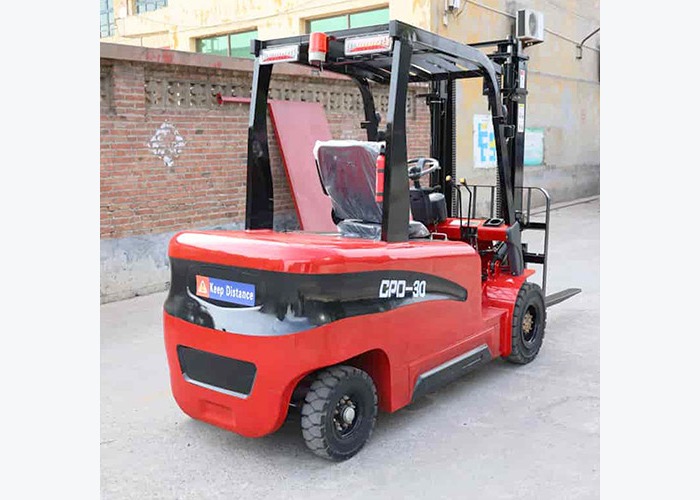
A written record helps teams see patterns in battery performance, tire wear, faults, charger problems, and operator reports. This is a practical operating issue, not merely a specification detail. The OSHA electric powered industrial truck guidance provides useful context for the control principles behind this decision. In a real warehouse or yard, the condition should be reviewed with the actual load, route, battery routine, or placement task in mind. The main risk is that without records, the same complaint may be treated as new every time. Supervisors and buyers should therefore connect the observation to the real job pattern before assuming a standard configuration will work.
A reliable next step is to record symptoms, hours, inspection results, repairs, parts, and whether the issue repeated after service. Record what was observed instead of relying on memory, because clear operating details make supplier discussions and internal decisions much faster. The relevant electric forklift category can help translate the requirement into a machine option that fits the route more cleanly. Avoid solving the issue with assumptions or informal workarounds that only look acceptable in a short demonstration. As a decision rule, use records to decide when a truck needs preventive service or replacement planning. That keeps the buying decision tied to the daily task rather than to a generic machine label.
A generic checklist is useful, but the final routine should reflect the exact truck, battery, charger, floor, load, and shift pattern. This is a practical operating issue, not merely a specification detail. The OSHA battery charging guidance provides useful context for the control principles behind this decision. In a real warehouse or yard, the condition should be reviewed with the actual load, route, battery routine, or placement task in mind. The main risk is that copying another warehouse’s routine can miss the conditions that matter in your building. Supervisors and buyers should therefore connect the observation to the real job pattern before assuming a standard configuration will work.
A reliable next step is to adapt the checklist with model-specific manual requirements and the site’s most common fault patterns. Record what was observed instead of relying on memory, because clear operating details make supplier discussions and internal decisions much faster. The relevant VY-CPD15 electric forklift can help translate the requirement into a machine option that fits the route more cleanly. Avoid solving the issue with assumptions or informal workarounds that only look acceptable in a short demonstration. As a decision rule, review the checklist after any fleet, route, battery, or workload change. That keeps the buying decision tied to the daily task rather than to a generic machine label.
How often should an electric forklift be inspected? A practical routine includes pre-shift inspection plus scheduled maintenance according to the manufacturer’s manual and the site’s duty cycle.
What is the most common maintenance mistake? Many sites treat charging and battery handover as informal habits. Missed charging, cable damage, and poor connector care can create avoidable downtime.
Should operators fix small leaks or faults themselves? Operators should report and isolate unsafe faults according to site rules. Repairs, hydraulic work, and electrical diagnosis should be handled by qualified personnel.
Watch a related electric forklift video here: https://www.youtube.com/watch?v=tP-VDDP7tFE.
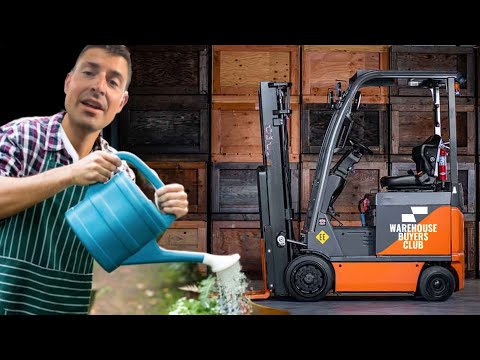
Electric forklift maintenance works best when inspection, charging, records, and service response are part of the same daily routine.
A short but consistent checklist helps operators catch battery, tire, brake, mast, hydraulic, and control issues before they interrupt production.
For fleet support, share truck model, operating hours, battery type, charger routine, and repeated fault history with VARYON.