Get in touch
* Your personal information is securely protected and will only be used for business communication purposes.

Electric forklift runtime problems usually start during planning, not after the truck arrives. Teams often ask how many hours one battery will last, but runtime is not decided by one number alone. It is shaped by route length, lift frequency, pallet weight, floor condition, congestion, charging windows, connector discipline, and how much reserve the site wants at the end of each shift. When those inputs are not mapped together, the battery appears to be the problem even though the planning was incomplete.
This guide is written for warehouse managers, operations planners, and buyers who need to size electric forklifts for one-shift, two-shift, or multi-shift work without guessing. The point is not to chase an idealized runtime claim. The point is to build a practical runtime plan that matches the actual travel pattern, charging routine, and workload peaks the fleet will face every day.
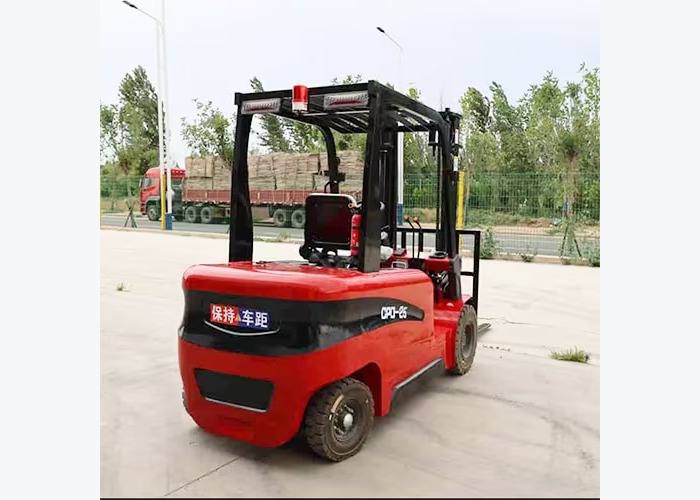
Electric forklift runtime planning should begin with how the truck will be used rather than with the battery nameplate alone. Guidance such as CCOHS forklift batteries is useful because it keeps the review tied to real operating control rather than to vague habit. In a working warehouse or yard, the checklist should reflect the actual route, load, charger routine, or placement task the machine will face. The main risk is that teams may buy a battery that looks large enough on paper but still misses the real duty cycle because the route was never defined clearly. That is why the check should be explained in terms the operator and supervisor can both act on immediately.
A practical next step is to map shift length, average route distance, pallet count, lift height, queue time, and peak workload before comparing battery capacities. Keep the observation concrete instead of relying on memory, because specific notes make maintenance and supervision faster. The relevant Electric Forklift category can also help turn the observation into a product or application discussion that fits the site more cleanly. As a decision rule, treat workload definition as the first runtime control instead of assuming the standard battery will automatically fit the site. That keeps the inspection connected to the daily task instead of turning it into a generic routine.
A battery drains according to the actual work the truck performs, and heavier loads combined with repeated lifting can change shift coverage quickly. Guidance such as CCOHS battery charging safety is useful because it keeps the review tied to real operating control rather than to vague habit. In a working warehouse or yard, the checklist should reflect the actual route, load, charger routine, or placement task the machine will face. The main risk is that runtime planning may fail because the site sized for average work while the battery is repeatedly asked to support peak conditions. That is why the check should be explained in terms the operator and supervisor can both act on immediately.
A practical next step is to separate light, average, and peak pallet weights and compare them with how often the mast lifts, tilts, and travels during the busiest part of the shift. Keep the observation concrete instead of relying on memory, because specific notes make maintenance and supervision faster. The relevant VY-CPD25 electric forklift can also help turn the observation into a product or application discussion that fits the site more cleanly. As a decision rule, size the runtime plan around the hardest normal operating window rather than around the easiest hour of the day. That keeps the inspection connected to the daily task instead of turning it into a generic routine.
Travel distance is not the only movement factor because rough floors, repeated turning, slope changes, and stop-start congestion all increase battery demand. Guidance such as CCOHS forklift maintenance is useful because it keeps the review tied to real operating control rather than to vague habit. In a working warehouse or yard, the checklist should reflect the actual route, load, charger routine, or placement task the machine will face. The main risk is that teams may underestimate energy demand because they count only straight-line travel and ignore congestion, turning, and floor resistance. That is why the check should be explained in terms the operator and supervisor can both act on immediately.
A practical next step is to measure the real route, note floor transitions and dock plates, and observe where the truck loses time or repeats acceleration during pallet moves. Keep the observation concrete instead of relying on memory, because specific notes make maintenance and supervision faster. The relevant VY-CPD30 electric forklift truck can also help turn the observation into a product or application discussion that fits the site more cleanly. As a decision rule, treat the route as a working energy map instead of a simple distance estimate. That keeps the inspection connected to the daily task instead of turning it into a generic routine.
Runtime planning improves when the site reviews where short charging windows actually exist during the day instead of assuming the truck will return fully empty. Guidance such as OSHA battery charging guidance is useful because it keeps the review tied to real operating control rather than to vague habit. In a working warehouse or yard, the checklist should reflect the actual route, load, charger routine, or placement task the machine will face. The main risk is that a site may overspend on battery size or blame runtime later because it never counted the charging opportunities already present in the schedule. That is why the check should be explained in terms the operator and supervisor can both act on immediately.
A practical next step is to identify whether lunch breaks, shift overlap, staging pauses, or operator changeovers can support controlled charging without disrupting throughput. Keep the observation concrete instead of relying on memory, because specific notes make maintenance and supervision faster. The relevant Electric Forklift Price Guide can also help turn the observation into a product or application discussion that fits the site more cleanly. As a decision rule, evaluate charging windows and battery size together instead of treating them as separate decisions. That keeps the inspection connected to the daily task instead of turning it into a generic routine.
An electric forklift that works comfortably in one shift may need a different battery routine entirely once the building extends into double shifts or overnight turnover. Guidance such as HSE managing lift trucks is useful because it keeps the review tied to real operating control rather than to vague habit. In a working warehouse or yard, the checklist should reflect the actual route, load, charger routine, or placement task the machine will face. The main risk is that buyers may assume the same battery strategy scales automatically when the operation adds hours, even though the charging pattern has changed completely. That is why the check should be explained in terms the operator and supervisor can both act on immediately.
A practical next step is to model each shift pattern separately and note when the truck must recover energy, change operators, or stay continuously available. Keep the observation concrete instead of relying on memory, because specific notes make maintenance and supervision faster. The relevant Electric Forklift Charging Time Guide can also help turn the observation into a product or application discussion that fits the site more cleanly. As a decision rule, treat shift expansion as a new runtime plan rather than a minor extension of the original schedule. That keeps the inspection connected to the daily task instead of turning it into a generic routine.
A practical runtime target should leave a reserve because batteries, routes, and operator demand rarely behave exactly the same every day. Guidance such as OSHA powered industrial truck standard is useful because it keeps the review tied to real operating control rather than to vague habit. In a working warehouse or yard, the checklist should reflect the actual route, load, charger routine, or placement task the machine will face. The main risk is that a plan that depends on fully draining the battery every shift usually creates stress, inconsistent performance, and avoidable battery-life damage. That is why the check should be explained in terms the operator and supervisor can both act on immediately.
A practical next step is to set a minimum state-of-charge rule, define when the truck should return for charging, and communicate the reserve expectation clearly to supervisors and operators. Keep the observation concrete instead of relying on memory, because specific notes make maintenance and supervision faster. The relevant Lithium Electric Forklift Guide can also help turn the observation into a product or application discussion that fits the site more cleanly. As a decision rule, build the schedule around controlled reserve rather than around emergency end-of-shift charging. That keeps the inspection connected to the daily task instead of turning it into a generic routine.
Some runtime complaints are really charger or connector problems because the truck never receives the charge profile the schedule expects. Guidance such as CCOHS forklift batteries is useful because it keeps the review tied to real operating control rather than to vague habit. In a working warehouse or yard, the checklist should reflect the actual route, load, charger routine, or placement task the machine will face. The main risk is that teams may blame the battery when the real issue is incomplete charging, damaged connectors, or poor charging access. That is why the check should be explained in terms the operator and supervisor can both act on immediately.
A practical next step is to check charger output, connector condition, cable handling, available power supply, and whether charging bays are positioned where the truck can actually use them. Keep the observation concrete instead of relying on memory, because specific notes make maintenance and supervision faster. The relevant contact VARYON for fleet planning can also help turn the observation into a product or application discussion that fits the site more cleanly. As a decision rule, verify the whole charging path before concluding that more battery capacity is the only answer. That keeps the inspection connected to the daily task instead of turning it into a generic routine.
As workload intensity rises, the best answer may be a different charging strategy rather than simply ordering the largest possible battery. Guidance such as CCOHS battery charging safety is useful because it keeps the review tied to real operating control rather than to vague habit. In a working warehouse or yard, the checklist should reflect the actual route, load, charger routine, or placement task the machine will face. The main risk is that a site may lock itself into an awkward routine because it chose the first battery option instead of reviewing the full operating strategy. That is why the check should be explained in terms the operator and supervisor can both act on immediately.
A practical next step is to compare whether spare batteries, opportunity charging, or a higher-capacity truck create the cleanest balance between uptime, labor, and infrastructure. Keep the observation concrete instead of relying on memory, because specific notes make maintenance and supervision faster. The relevant Electric Forklift category can also help turn the observation into a product or application discussion that fits the site more cleanly. As a decision rule, change the operating method when the schedule shows that battery size alone will not solve the throughput requirement cleanly. That keeps the inspection connected to the daily task instead of turning it into a generic routine.
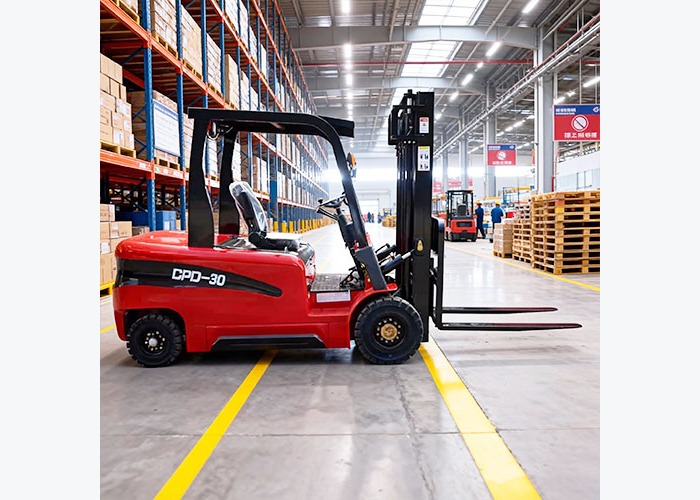
Cold rooms, hot yards, long travel between buildings, and mixed indoor-outdoor routes can change the runtime margin even when the truck looks correctly sized in a standard warehouse model. Guidance such as CCOHS forklift maintenance is useful because it keeps the review tied to real operating control rather than to vague habit. In a working warehouse or yard, the checklist should reflect the actual route, load, charger routine, or placement task the machine will face. The main risk is that runtime plans may look accurate in a generic building model and then fail once temperature and special route conditions are added. That is why the check should be explained in terms the operator and supervisor can both act on immediately.
A practical next step is to note any cold storage work, high-heat charging area, long dock loop, or transfer route that will change how quickly energy is consumed during the shift. Keep the observation concrete instead of relying on memory, because specific notes make maintenance and supervision faster. The relevant VY-CPD25 electric forklift can also help turn the observation into a product or application discussion that fits the site more cleanly. As a decision rule, include unusual operating zones during selection instead of treating them as later exceptions. That keeps the inspection connected to the daily task instead of turning it into a generic routine.
Suppliers can recommend a better electric forklift package when the site shares route detail, shift structure, and charging reality rather than only asking for a generic number of hours. Guidance such as OSHA battery charging guidance is useful because it keeps the review tied to real operating control rather than to vague habit. In a working warehouse or yard, the checklist should reflect the actual route, load, charger routine, or placement task the machine will face. The main risk is that buyers may receive a standard recommendation that is technically correct but still poorly fitted to the actual building and schedule. That is why the check should be explained in terms the operator and supervisor can both act on immediately.
A practical next step is to send shift length, pallet weight range, route distance, lift frequency, charging windows, floor condition, and growth expectations with the inquiry. Keep the observation concrete instead of relying on memory, because specific notes make maintenance and supervision faster. The relevant VY-CPD30 electric forklift truck can also help turn the observation into a product or application discussion that fits the site more cleanly. As a decision rule, turn runtime planning into a data-based equipment request instead of a vague battery-duration question. That keeps the inspection connected to the daily task instead of turning it into a generic routine.
How long should an electric forklift battery last in one shift? There is no universal number. Runtime depends on load, route, lift frequency, floor condition, charging windows, and how much reserve the site wants to protect.
Does heavier load weight reduce electric forklift runtime significantly? Yes. Heavier pallets combined with repeated lifting and acceleration can change energy demand quickly, especially during peak operating periods.
Should I size battery capacity for average work or peak work? The safer approach is to size for the hardest normal operating window while still reviewing whether charging windows or a different operating strategy can reduce oversizing.
Watch a related electric forklift video here: https://www.youtube.com/watch?v=du995Rv6RyM.

Electric forklift runtime planning works best when the battery is treated as part of the whole route, not as an isolated specification. Load weight, lift frequency, congestion, charging access, and shift structure all change what a practical runtime target should be.
A warehouse that defines its real route and charging windows early will usually make better equipment decisions than a site that only asks for a general number of hours per charge. The better plan protects throughput and battery life at the same time.
If you want VARYON to review runtime for your fleet, send shift length, route distance, average and peak pallet weight, charging windows, floor condition, and any cold-room or long-transfer requirements.