Get in touch
* Your personal information is securely protected and will only be used for business communication purposes.

When buyers ask how much an electric forklift costs, they often expect one number. In practice, the answer depends on what the truck has to do, what battery system it uses, how long it must run between charges, and how the site plans its charging area. Two electric forklifts with the same nominal capacity can differ meaningfully in price once battery chemistry, charger package, mast, tire type, and shift pattern are factored in.
A practical price guide should therefore do more than compare list price. It should help procurement and operations teams understand which features truly change ownership cost and which options only add expense without solving a real problem. This guide focuses on the cost drivers that matter most in warehouse and mixed-duty planning, so buyers can request quotes with better context and fewer hidden assumptions.
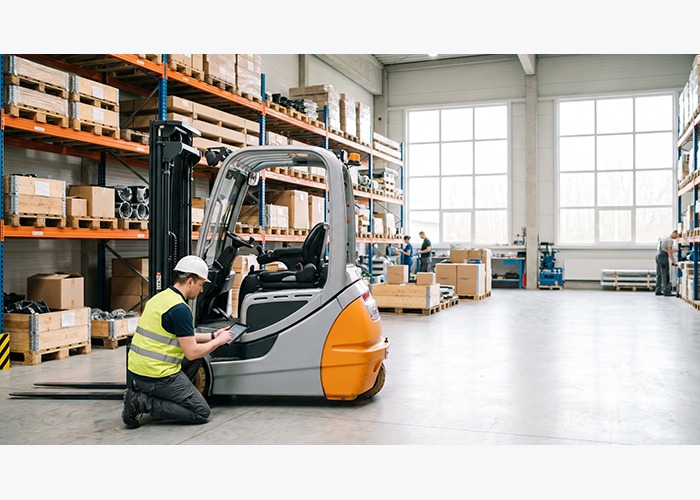
Electric forklift price follows workload more closely than many first-time buyers expect because capacity, travel distance, and lift pattern influence battery, motor, and chassis requirements together. This is a practical operating issue, not merely a specification detail. The OSHA electric powered industrial truck guidance helps frame why the condition matters in real use, especially when buyers try to judge the machine only by catalog shorthand. In a working warehouse or yard, the topic should be reviewed with the actual load, route, and operator routine in mind. The main risk is that a low initial quote can become misleading if the truck cannot cover runtime or handling needs without compromise. Supervisors and buyers should therefore connect the observation to the real job pattern before assuming a standard configuration will work.
A reliable next step is to define the actual load range, travel loop, and shift hours before comparing offers. Record what was observed instead of relying on memory, because clear operating details make supplier discussions and internal decisions much faster. The relevant electric forklift category can help translate the requirement into a machine option that fits the route more cleanly. Avoid solving the issue with assumptions or informal workarounds that only look acceptable in a short demonstration. As a decision rule, treat duty pattern as the base of price planning rather than shopping by headline cost alone. That keeps the buying decision tied to the daily task rather than to a generic machine label.
Lead-acid and lithium systems usually differ in purchase price, charging routine, maintenance burden, and how easily they support multi-shift use. This is a practical operating issue, not merely a specification detail. The OSHA powered industrial truck standard helps frame why the condition matters in real use, especially when buyers try to judge the machine only by catalog shorthand. In a working warehouse or yard, the topic should be reviewed with the actual load, route, and operator routine in mind. The main risk is that buyers who focus only on upfront battery cost may miss how charging behavior and service routine affect operations later. Supervisors and buyers should therefore connect the observation to the real job pattern before assuming a standard configuration will work.
A reliable next step is to compare battery chemistry according to runtime expectations, maintenance resources, and charging windows. Record what was observed instead of relying on memory, because clear operating details make supplier discussions and internal decisions much faster. The relevant VY-CPD15 electric forklift can help translate the requirement into a machine option that fits the route more cleanly. Avoid solving the issue with assumptions or informal workarounds that only look acceptable in a short demonstration. As a decision rule, choose the battery system that fits the warehouse routine instead of assuming the cheaper entry price is the better value. That keeps the buying decision tied to the daily task rather than to a generic machine label.
The truck price is only part of the project because chargers, connectors, electrical preparation, and charging-area layout can materially change the real budget. This is a practical operating issue, not merely a specification detail. The CCOHS battery charging safety helps frame why the condition matters in real use, especially when buyers try to judge the machine only by catalog shorthand. In a working warehouse or yard, the topic should be reviewed with the actual load, route, and operator routine in mind. The main risk is that excluding charger and electrical setup from the early budget can make the final cost appear to rise unexpectedly. Supervisors and buyers should therefore connect the observation to the real job pattern before assuming a standard configuration will work.
A reliable next step is to ask what charger type, voltage, and site preparation are required before approving the purchase. Record what was observed instead of relying on memory, because clear operating details make supplier discussions and internal decisions much faster. The relevant VY-CPD20 electric forklift can help translate the requirement into a machine option that fits the route more cleanly. Avoid solving the issue with assumptions or informal workarounds that only look acceptable in a short demonstration. As a decision rule, treat charger planning as part of the truck decision, not as a separate afterthought. That keeps the buying decision tied to the daily task rather than to a generic machine label.
A warehouse that needs higher storage or freer movement under beams may require a mast package that changes both truck cost and daily operating fit. This is a practical operating issue, not merely a specification detail. The HSE workplace transport guidance helps frame why the condition matters in real use, especially when buyers try to judge the machine only by catalog shorthand. In a working warehouse or yard, the topic should be reviewed with the actual load, route, and operator routine in mind. The main risk is that overspecifying mast height can add cost and visual bulk while underspecifying it can limit storage use. Supervisors and buyers should therefore connect the observation to the real job pattern before assuming a standard configuration will work.
A reliable next step is to confirm the highest real placement point and whether free lift or compact collapsed height is necessary. Record what was observed instead of relying on memory, because clear operating details make supplier discussions and internal decisions much faster. The relevant VY-CPD25 electric forklift can help translate the requirement into a machine option that fits the route more cleanly. Avoid solving the issue with assumptions or informal workarounds that only look acceptable in a short demonstration. As a decision rule, match mast configuration to the actual storage geometry rather than to the broadest possible scenario. That keeps the buying decision tied to the daily task rather than to a generic machine label.
Indoor concrete, loading aprons, dock plates, and occasional outdoor transfer work can lead to different tire and chassis decisions even within electric models. This is a practical operating issue, not merely a specification detail. The NIOSH forklift safety guidance helps frame why the condition matters in real use, especially when buyers try to judge the machine only by catalog shorthand. In a working warehouse or yard, the topic should be reviewed with the actual load, route, and operator routine in mind. The main risk is that a truck selected for a perfectly smooth floor may underdeliver when the route regularly crosses rougher areas. Supervisors and buyers should therefore connect the observation to the real job pattern before assuming a standard configuration will work.
A reliable next step is to map the surfaces and threshold conditions the truck will see during a normal shift. Record what was observed instead of relying on memory, because clear operating details make supplier discussions and internal decisions much faster. The relevant VY-CPD30 electric forklift can help translate the requirement into a machine option that fits the route more cleanly. Avoid solving the issue with assumptions or informal workarounds that only look acceptable in a short demonstration. As a decision rule, include route condition in the cost discussion so the chosen truck fits the true environment. That keeps the buying decision tied to the daily task rather than to a generic machine label.
Single-shift, double-shift, and mixed-break operations create very different value cases for charging speed, spare batteries, and opportunity charging. This is a practical operating issue, not merely a specification detail. The OSHA warehouse hazards and solutions helps frame why the condition matters in real use, especially when buyers try to judge the machine only by catalog shorthand. In a working warehouse or yard, the topic should be reviewed with the actual load, route, and operator routine in mind. The main risk is that ignoring schedule realities can produce a truck that is affordable on paper but inconvenient every day. Supervisors and buyers should therefore connect the observation to the real job pattern before assuming a standard configuration will work.
A reliable next step is to review shift overlap, available break windows, and the site’s tolerance for battery handling tasks. Record what was observed instead of relying on memory, because clear operating details make supplier discussions and internal decisions much faster. The relevant VY-CPD35 electric forklift can help translate the requirement into a machine option that fits the route more cleanly. Avoid solving the issue with assumptions or informal workarounds that only look acceptable in a short demonstration. As a decision rule, build the price decision around actual operating rhythm, not only around specification tables. That keeps the buying decision tied to the daily task rather than to a generic machine label.
The right electric forklift price evaluation should consider who will handle battery care, routine inspections, and charger supervision across the fleet. This is a practical operating issue, not merely a specification detail. The Wikipedia electric battery overview helps frame why the condition matters in real use, especially when buyers try to judge the machine only by catalog shorthand. In a working warehouse or yard, the topic should be reviewed with the actual load, route, and operator routine in mind. The main risk is that a technically sound setup can still become costly if the maintenance routine is inconsistent or inconvenient. Supervisors and buyers should therefore connect the observation to the real job pattern before assuming a standard configuration will work.
A reliable next step is to estimate the maintenance attention the site can realistically provide and compare it with battery system demands. Record what was observed instead of relying on memory, because clear operating details make supplier discussions and internal decisions much faster. The relevant warehousing and logistics solutions can help translate the requirement into a machine option that fits the route more cleanly. Avoid solving the issue with assumptions or informal workarounds that only look acceptable in a short demonstration. As a decision rule, select the system the team can support reliably rather than the one with the simplest sales story. That keeps the buying decision tied to the daily task rather than to a generic machine label.
Sideshifters, integral options, cabs, or battery upgrades can be valuable when they support the route, but they should not be added just because they appear on the quote template. This is a practical operating issue, not merely a specification detail. The OSHA battery charging guidance helps frame why the condition matters in real use, especially when buyers try to judge the machine only by catalog shorthand. In a working warehouse or yard, the topic should be reviewed with the actual load, route, and operator routine in mind. The main risk is that unnecessary options can inflate the purchase price without reducing labor or improving flow. Supervisors and buyers should therefore connect the observation to the real job pattern before assuming a standard configuration will work.
A reliable next step is to list which options solve a real productivity or safety issue in the warehouse. Record what was observed instead of relying on memory, because clear operating details make supplier discussions and internal decisions much faster. The relevant contact VARYON for fleet planning can help translate the requirement into a machine option that fits the route more cleanly. Avoid solving the issue with assumptions or informal workarounds that only look acceptable in a short demonstration. As a decision rule, approve options only when they are tied to a specific operating need. That keeps the buying decision tied to the daily task rather than to a generic machine label.
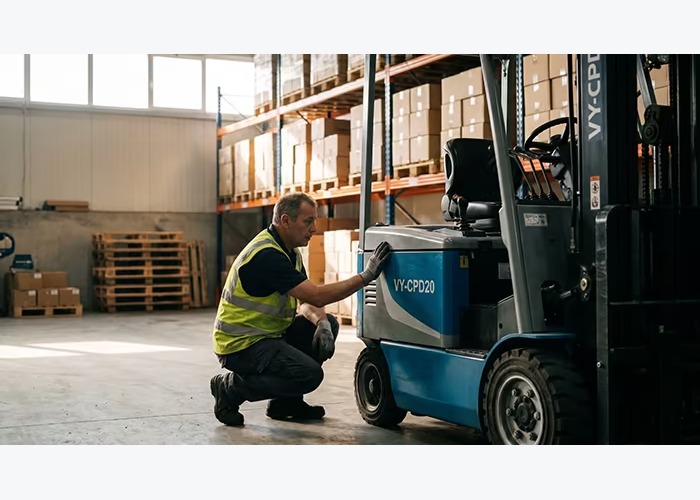
The most useful price comparison weighs purchase cost against uptime, labor flow, charging convenience, and how cleanly the truck supports the intended route. This is a practical operating issue, not merely a specification detail. The OSHA electric powered industrial truck guidance helps frame why the condition matters in real use, especially when buyers try to judge the machine only by catalog shorthand. In a working warehouse or yard, the topic should be reviewed with the actual load, route, and operator routine in mind. The main risk is that saving money upfront can cost more later if the truck creates charging bottlenecks or repeated interruptions. Supervisors and buyers should therefore connect the observation to the real job pattern before assuming a standard configuration will work.
A reliable next step is to compare realistic operating value over the expected years of use instead of chasing the shortest quote line. Record what was observed instead of relying on memory, because clear operating details make supplier discussions and internal decisions much faster. The relevant electric forklift category can help translate the requirement into a machine option that fits the route more cleanly. Avoid solving the issue with assumptions or informal workarounds that only look acceptable in a short demonstration. As a decision rule, use total operating fit as the final filter after the price bands are understood. That keeps the buying decision tied to the daily task rather than to a generic machine label.
Suppliers respond more accurately when buyers share battery preference, shift pattern, charger expectation, lift height, and route details with the inquiry. This is a practical operating issue, not merely a specification detail. The OSHA powered industrial truck standard helps frame why the condition matters in real use, especially when buyers try to judge the machine only by catalog shorthand. In a working warehouse or yard, the topic should be reviewed with the actual load, route, and operator routine in mind. The main risk is that vague requests often produce quotes that are hard to compare because the underlying assumptions differ. Supervisors and buyers should therefore connect the observation to the real job pattern before assuming a standard configuration will work.
A reliable next step is to include capacity, hours per shift, charging windows, surface condition, and any battery preference in the quote brief. Record what was observed instead of relying on memory, because clear operating details make supplier discussions and internal decisions much faster. The relevant VY-CPD15 electric forklift can help translate the requirement into a machine option that fits the route more cleanly. Avoid solving the issue with assumptions or informal workarounds that only look acceptable in a short demonstration. As a decision rule, ask for pricing tied to your site conditions rather than accepting generic configuration proposals. That keeps the buying decision tied to the daily task rather than to a generic machine label.
Why can two electric forklifts with the same capacity have different prices? Battery chemistry, charger package, mast choice, tire setup, runtime expectations, and included options can all change the final configuration cost.
Does lithium always make the electric forklift more expensive? It often raises the initial purchase price, but the best choice depends on the site’s charging routine, maintenance resources, and expected operating pattern.
Should charger cost be treated separately from the truck? It should be reviewed together with the truck because charging equipment and electrical preparation directly affect the real project budget.
Watch a related electric forklift video here: https://www.youtube.com/watch?v=Xrj9b2JYxyo.

A useful electric forklift price guide starts with workload, battery strategy, and charging setup, then moves to mast, tires, and options that change the configuration.
The right cost decision is rarely the lowest quote alone. It is the configuration that fits the warehouse rhythm, supports charging cleanly, and avoids hidden compromises that appear only after the truck goes into service.
For a more accurate estimate, send VARYON your required capacity, shift hours, battery preference, charging windows, lift height, and route conditions before asking for final pricing.