Get in touch
* Your personal information is securely protected and will only be used for business communication purposes.

A lithium electric forklift attracts attention because it promises faster charging, lower routine battery maintenance, and cleaner warehouse operation than older battery routines usually allow. Those advantages are real, but they only produce the expected result when the truck, charger layout, route intensity, and shift pattern are planned together. If the site assumes that lithium alone will solve every uptime problem, it may still end up with charger queues, weak handover habits, or trucks that do not match the heaviest repeatable workload.
This guide explains lithium electric forklift planning in practical warehouse terms. It is written for buyers and operations teams that want to compare lithium models, plan charging windows, control battery habits, and support multi-shift use without turning the fleet into a constant charging puzzle. The aim is to make the battery system part of the workflow instead of a feature that sits separately from the route.
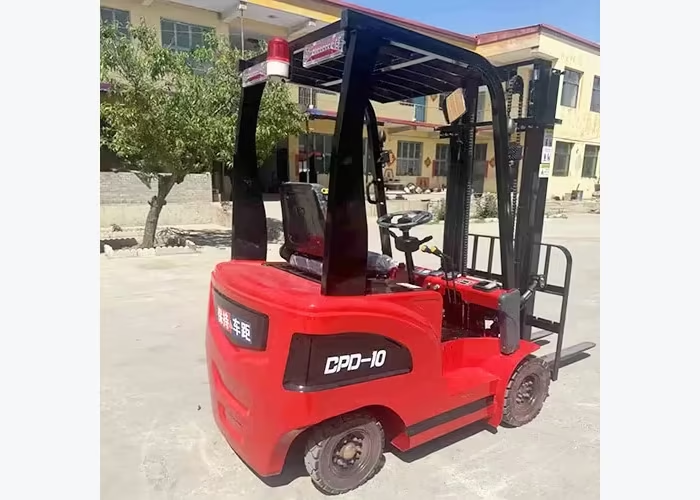
A lithium electric forklift makes the most sense when the site’s real shift rhythm is understood before the truck is selected. This is a practical operating issue, not merely a specification detail. The OSHA electric powered industrial truck guidance provides useful context for the control principles behind this decision. In a real warehouse or yard, the condition should be reviewed with the actual load, route, battery routine, or placement task in mind. The main risk is that buyers may assume lithium is automatically right without checking whether the route actually benefits from faster charge windows. Supervisors and buyers should therefore connect the observation to the real job pattern before assuming a standard configuration will work.
A reliable next step is to map operating hours, break structure, handover timing, and the busiest travel loops before finalizing the battery plan. Record what was observed instead of relying on memory, because clear operating details make supplier discussions and internal decisions much faster. The relevant electric forklift category can help translate the requirement into a machine option that fits the route more cleanly. Avoid solving the issue with assumptions or informal workarounds that only look acceptable in a short demonstration. As a decision rule, choose the battery system around the warehouse rhythm instead of around trend language. That keeps the buying decision tied to the daily task rather than to a generic machine label.
One of the strongest lithium benefits is shorter charge recovery, but that benefit still depends on whether the warehouse has reliable short charging windows and disciplined return habits. This is a practical operating issue, not merely a specification detail. The OSHA battery charging guidance provides useful context for the control principles behind this decision. In a real warehouse or yard, the condition should be reviewed with the actual load, route, battery routine, or placement task in mind. The main risk is that a fleet may buy fast-charging capability that operators rarely use consistently. Supervisors and buyers should therefore connect the observation to the real job pattern before assuming a standard configuration will work.
A reliable next step is to record when trucks can actually plug in during breaks, changeovers, or idle periods instead of estimating by memory. Record what was observed instead of relying on memory, because clear operating details make supplier discussions and internal decisions much faster. The relevant VY-CPD10 electric forklift can help translate the requirement into a machine option that fits the route more cleanly. Avoid solving the issue with assumptions or informal workarounds that only look acceptable in a short demonstration. As a decision rule, treat charging windows as measured operating facts rather than optimistic assumptions. That keeps the buying decision tied to the daily task rather than to a generic machine label.
Lithium technology improves flexibility, but the truck’s daily energy demand still changes with travel distance, lift frequency, accessory use, and the weight of the routine load. This is a practical operating issue, not merely a specification detail. The OSHA warehouse hazards and solutions provides useful context for the control principles behind this decision. In a real warehouse or yard, the condition should be reviewed with the actual load, route, battery routine, or placement task in mind. The main risk is that operations teams may understate energy demand when they focus only on nominal capacity. Supervisors and buyers should therefore connect the observation to the real job pattern before assuming a standard configuration will work.
A reliable next step is to review how far the truck travels, how often it lifts, and how much of the shift is spent on heavier repeat work. Record what was observed instead of relying on memory, because clear operating details make supplier discussions and internal decisions much faster. The relevant VY-CPD15 electric forklift can help translate the requirement into a machine option that fits the route more cleanly. Avoid solving the issue with assumptions or informal workarounds that only look acceptable in a short demonstration. As a decision rule, size the lithium setup around the real route instead of around the calmest part of the shift. That keeps the buying decision tied to the daily task rather than to a generic machine label.
The charger is part of the work route because its location affects traffic flow, plug-in discipline, and how quickly a truck returns to service. This is a practical operating issue, not merely a specification detail. The OSHA powered industrial truck standard provides useful context for the control principles behind this decision. In a real warehouse or yard, the condition should be reviewed with the actual load, route, battery routine, or placement task in mind. The main risk is that poor charger placement can turn a good battery system into a daily inconvenience. Supervisors and buyers should therefore connect the observation to the real job pattern before assuming a standard configuration will work.
A reliable next step is to check approach space, cable handling, pedestrian separation, and whether drivers can return the truck without disrupting aisle movement. Record what was observed instead of relying on memory, because clear operating details make supplier discussions and internal decisions much faster. The relevant VY-CPD20 electric forklift can help translate the requirement into a machine option that fits the route more cleanly. Avoid solving the issue with assumptions or informal workarounds that only look acceptable in a short demonstration. As a decision rule, design the charging area as a working zone and not as leftover floor space. That keeps the buying decision tied to the daily task rather than to a generic machine label.
A shared fleet works better when managers know which trucks are high-cycle units, which serve lighter backup roles, and which need the quickest turnaround. This is a practical operating issue, not merely a specification detail. The CCOHS battery charging safety provides useful context for the control principles behind this decision. In a real warehouse or yard, the condition should be reviewed with the actual load, route, battery routine, or placement task in mind. The main risk is that a one-size-fits-all plan can create charging conflicts and unclear responsibility. Supervisors and buyers should therefore connect the observation to the real job pattern before assuming a standard configuration will work.
A reliable next step is to assign battery strategy by truck role instead of treating every unit as interchangeable. Record what was observed instead of relying on memory, because clear operating details make supplier discussions and internal decisions much faster. The relevant VY-CPD25 electric forklift can help translate the requirement into a machine option that fits the route more cleanly. Avoid solving the issue with assumptions or informal workarounds that only look acceptable in a short demonstration. As a decision rule, match lithium utilization to each truck’s actual duty profile. That keeps the buying decision tied to the daily task rather than to a generic machine label.
Even with a more convenient battery routine, the operating environment still matters for charging behavior, shift confidence, and long-term fleet stability. This is a practical operating issue, not merely a specification detail. The HSE workplace transport guidance provides useful context for the control principles behind this decision. In a real warehouse or yard, the condition should be reviewed with the actual load, route, battery routine, or placement task in mind. The main risk is that teams may blame the truck when the real issue is inconsistent charging environment or storage practice. Supervisors and buyers should therefore connect the observation to the real job pattern before assuming a standard configuration will work.
A reliable next step is to review whether trucks charge in hot service bays, cooler warehouse corners, or locations with changing seasonal conditions. Record what was observed instead of relying on memory, because clear operating details make supplier discussions and internal decisions much faster. The relevant VY-CPD30 electric forklift can help translate the requirement into a machine option that fits the route more cleanly. Avoid solving the issue with assumptions or informal workarounds that only look acceptable in a short demonstration. As a decision rule, include the charging environment in battery planning instead of assuming every bay behaves the same. That keeps the buying decision tied to the daily task rather than to a generic machine label.
Lithium fleets reduce some traditional battery chores, but they still require clean inspection habits around cables, connectors, warning behavior, tires, brakes, and daily readiness. This is a practical operating issue, not merely a specification detail. The NIOSH forklift safety guidance provides useful context for the control principles behind this decision. In a real warehouse or yard, the condition should be reviewed with the actual load, route, battery routine, or placement task in mind. The main risk is that a lower-maintenance battery can still be paired with poor truck care if responsibility is vague. Supervisors and buyers should therefore connect the observation to the real job pattern before assuming a standard configuration will work.
A reliable next step is to shift the maintenance conversation toward daily truck condition, charger checks, and exception reporting. Record what was observed instead of relying on memory, because clear operating details make supplier discussions and internal decisions much faster. The relevant warehousing and logistics solutions can help translate the requirement into a machine option that fits the route more cleanly. Avoid solving the issue with assumptions or informal workarounds that only look acceptable in a short demonstration. As a decision rule, replace old battery chores with a simpler but stricter readiness routine. That keeps the buying decision tied to the daily task rather than to a generic machine label.
Opportunity charging succeeds when operators understand when to plug in, how long the window is, and which units should be prioritized. This is a practical operating issue, not merely a specification detail. The Wikipedia electric battery overview provides useful context for the control principles behind this decision. In a real warehouse or yard, the condition should be reviewed with the actual load, route, battery routine, or placement task in mind. The main risk is that without a simple routine, drivers may leave charge time unused or create uneven battery availability. Supervisors and buyers should therefore connect the observation to the real job pattern before assuming a standard configuration will work.
A reliable next step is to set a short, visible rule for plug-in timing, parking order, and fault reporting at the end of each task cycle. Record what was observed instead of relying on memory, because clear operating details make supplier discussions and internal decisions much faster. The relevant contact VARYON for battery planning can help translate the requirement into a machine option that fits the route more cleanly. Avoid solving the issue with assumptions or informal workarounds that only look acceptable in a short demonstration. As a decision rule, support lithium charging with repeatable operator behavior and not just with better hardware. That keeps the buying decision tied to the daily task rather than to a generic machine label.
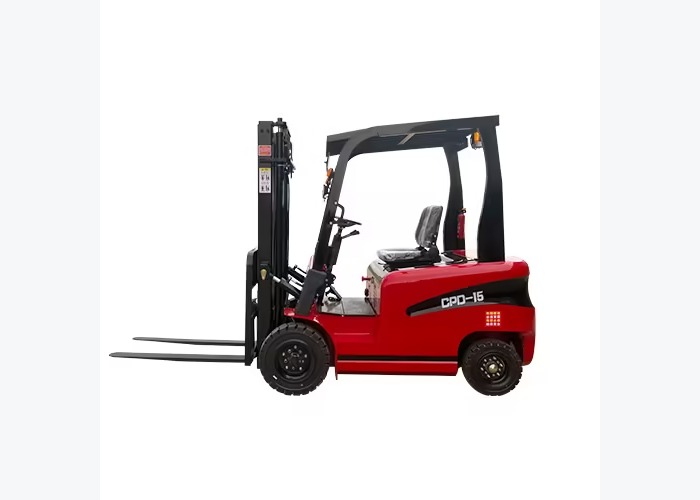
A lithium electric forklift purchase includes the truck, the battery strategy, the charger arrangement, and the operational method that keeps the system reliable. This is a practical operating issue, not merely a specification detail. The OSHA electric powered industrial truck guidance provides useful context for the control principles behind this decision. In a real warehouse or yard, the condition should be reviewed with the actual load, route, battery routine, or placement task in mind. The main risk is that buyers may approve a truck but leave too many open questions about the energy system that keeps it useful. Supervisors and buyers should therefore connect the observation to the real job pattern before assuming a standard configuration will work.
A reliable next step is to ask suppliers to discuss truck class, charging assumptions, connector logic, service support, and shift expectations together. Record what was observed instead of relying on memory, because clear operating details make supplier discussions and internal decisions much faster. The relevant electric forklift category can help translate the requirement into a machine option that fits the route more cleanly. Avoid solving the issue with assumptions or informal workarounds that only look acceptable in a short demonstration. As a decision rule, buy the forklift as part of a working energy plan instead of as a stand-alone machine. That keeps the buying decision tied to the daily task rather than to a generic machine label.
Suppliers provide stronger lithium forklift recommendations when they receive route detail, shift count, charging layout, and load profile in one clear request. This is a practical operating issue, not merely a specification detail. The OSHA battery charging guidance provides useful context for the control principles behind this decision. In a real warehouse or yard, the condition should be reviewed with the actual load, route, battery routine, or placement task in mind. The main risk is that vague lithium requests often produce generic answers that are hard to compare. Supervisors and buyers should therefore connect the observation to the real job pattern before assuming a standard configuration will work.
A reliable next step is to send truck quantity, aisle pattern, lift height, travel distance, charging windows, and growth expectations with the inquiry. Record what was observed instead of relying on memory, because clear operating details make supplier discussions and internal decisions much faster. The relevant VY-CPD10 electric forklift can help translate the requirement into a machine option that fits the route more cleanly. Avoid solving the issue with assumptions or informal workarounds that only look acceptable in a short demonstration. As a decision rule, describe the full warehouse routine so the battery plan matches real daily use. That keeps the buying decision tied to the daily task rather than to a generic machine label.
Why do warehouses choose a lithium electric forklift? They usually want faster charging, simpler battery routines, and cleaner multi-shift operation, but those gains depend on route planning and charging discipline.
Does lithium remove the need for battery planning? No. It changes the routine, but the site still needs to match charging windows, route intensity, and truck roles to the actual warehouse schedule.
Is a lithium forklift only useful for large fleets? Not at all. Smaller fleets can benefit too, especially when uptime windows are tight and the route rewards quick turnaround between tasks.
Watch a related electric forklift video here: https://www.youtube.com/watch?v=92VR2gzHwv8.

A lithium electric forklift works best when the truck, charger layout, shift pattern, and daily charging habits are planned together.
The strongest result comes from treating lithium as an operating system choice, not only as a battery label. When route intensity, charger access, operator routine, and truck role are all clear, the fleet gains the charging flexibility that buyers expect without creating new traffic or planning problems.
For a better recommendation, share your shift schedule, truck count, route distance, charger layout, and battery expectations with VARYON before finalizing the lithium electric forklift configuration.