Get in touch
* Your personal information is securely protected and will only be used for business communication purposes.

A 5 ton diesel forklift is often selected when a standard warehouse truck no longer feels sufficient but the site still needs a practical machine for repeated outdoor movement, pallet loading, yard staging, and mixed-duty transfer work. That extra capacity sounds straightforward on paper, yet the buying decision becomes expensive very quickly if managers focus only on the tonnage and ignore route surface, tire selection, mast height, attachment effect, and the difference between a routine load and a rare peak load. A truck that looks comfortably large in a quotation may still be a poor match once the route includes rough yards, long forks, ramp work, or repeated handling of irregular pallets.
This guide is written for procurement teams, warehouse managers, project supervisors, and dealers who want to specify a 5 ton diesel forklift with fewer assumptions. It treats the truck as a working package instead of as a single capacity label. The goal is to connect capacity, tire setup, mast selection, attachment planning, and outdoor operating conditions so buyers can compare quotations around real handling work rather than around a generic heavy-duty image.
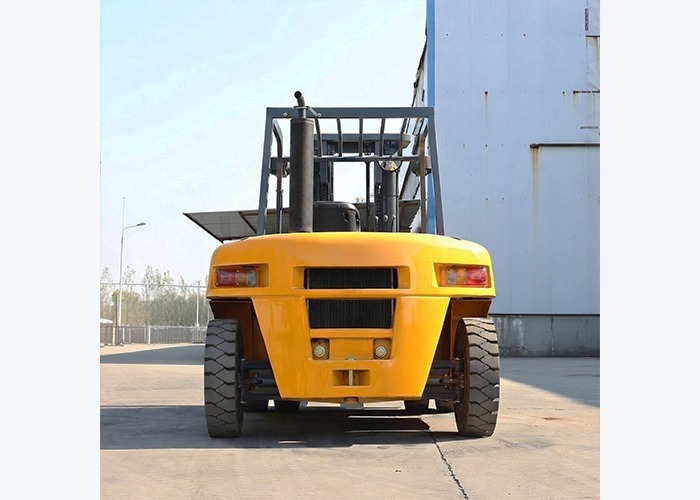
A 5 ton diesel forklift should be chosen around the heaviest load the site expects to move regularly instead of around a dramatic exception that only appears a few times per year. This is a practical operating issue, not merely a specification detail. The OSHA powered industrial truck guidance provides useful context for the control principles behind this decision. In a real warehouse or yard, the condition should be reviewed with the actual load, route, battery routine, or placement task in mind. The main risk is that buyers often overspecify the truck based on one memorable lift and then carry higher purchase and operating cost every day. Supervisors and buyers should therefore connect the observation to the real job pattern before assuming a standard configuration will work.
A reliable next step is to separate everyday pallets, long loads, bundled products, and occasional special lifts before asking for a final recommendation. Record what was observed instead of relying on memory, because clear operating details make supplier discussions and internal decisions much faster. The relevant diesel forklift category can help translate the requirement into a machine option that fits the route more cleanly. Avoid solving the issue with assumptions or informal workarounds that only look acceptable in a short demonstration. As a decision rule, size the truck for repeatable work with a realistic margin instead of for the rarest event on site. That keeps the buying decision tied to the daily task rather than to a generic machine label.
The useful capacity of a 5 ton diesel forklift depends on how the load sits on the forks, not only on the headline figure printed in a brochure. This is a practical operating issue, not merely a specification detail. The OSHA powered industrial truck standard provides useful context for the control principles behind this decision. In a real warehouse or yard, the condition should be reviewed with the actual load, route, battery routine, or placement task in mind. The main risk is that a truck can appear correctly rated while still losing practical lifting comfort once the load center moves outward. Supervisors and buyers should therefore connect the observation to the real job pattern before assuming a standard configuration will work.
A reliable next step is to confirm pallet depth, load center, fork length, and whether the load regularly projects forward or carries an uneven weight distribution. Record what was observed instead of relying on memory, because clear operating details make supplier discussions and internal decisions much faster. The relevant VY-CPC35 diesel forklift can help translate the requirement into a machine option that fits the route more cleanly. Avoid solving the issue with assumptions or informal workarounds that only look acceptable in a short demonstration. As a decision rule, treat load center and residual capacity as core buying criteria rather than as technical fine print. That keeps the buying decision tied to the daily task rather than to a generic machine label.
A higher-capacity diesel forklift is often sent into yards, apron zones, and loading areas where surface quality changes from one part of the route to the next. This is a practical operating issue, not merely a specification detail. The OSHA forklift load-composition guidance provides useful context for the control principles behind this decision. In a real warehouse or yard, the condition should be reviewed with the actual load, route, battery routine, or placement task in mind. The main risk is that teams sometimes choose tires around the cleanest warehouse floor even though the daily route is defined by the roughest section. Supervisors and buyers should therefore connect the observation to the real job pattern before assuming a standard configuration will work.
A reliable next step is to walk the full route and identify the roughest concrete, threshold plate, yard block, ramp, and damp surface the truck must cross under load. Record what was observed instead of relying on memory, because clear operating details make supplier discussions and internal decisions much faster. The relevant VY-CPC50 diesel forklift can help translate the requirement into a machine option that fits the route more cleanly. Avoid solving the issue with assumptions or informal workarounds that only look acceptable in a short demonstration. As a decision rule, specify the tire package around the hardest routine surface instead of the easiest one. That keeps the buying decision tied to the daily task rather than to a generic machine label.
A 5 ton diesel forklift is frequently used in places where buyers want both outdoor durability and enough mast height for occasional stacking or container-related work. This is a practical operating issue, not merely a specification detail. The OSHA mast and hydraulic lift overview provides useful context for the control principles behind this decision. In a real warehouse or yard, the condition should be reviewed with the actual load, route, battery routine, or placement task in mind. The main risk is that buyers may request more mast than the route needs and then carry extra complexity, visibility loss, or cost with little benefit. Supervisors and buyers should therefore connect the observation to the real job pattern before assuming a standard configuration will work.
A reliable next step is to review top placement height, collapsed height restrictions, and whether free-lift behavior matters at doors, canopies, or container entries. Record what was observed instead of relying on memory, because clear operating details make supplier discussions and internal decisions much faster. The relevant VY-CPC60 diesel forklift can help translate the requirement into a machine option that fits the route more cleanly. Avoid solving the issue with assumptions or informal workarounds that only look acceptable in a short demonstration. As a decision rule, choose mast geometry around the real placement requirement rather than around the biggest catalog number. That keeps the buying decision tied to the daily task rather than to a generic machine label.
Fork positioners, side shifters, special fork lengths, paper roll options, or other front-end changes can make a 5 ton diesel forklift far more useful, but they also change the working configuration. This is a practical operating issue, not merely a specification detail. The NIOSH forklift safety guidance provides useful context for the control principles behind this decision. In a real warehouse or yard, the condition should be reviewed with the actual load, route, battery routine, or placement task in mind. The main risk is that the truck may be quoted as though it were a bare machine even though the site intends to use a heavier or more complex front end. Supervisors and buyers should therefore connect the observation to the real job pattern before assuming a standard configuration will work.
A reliable next step is to ask for rated capacity with the exact attachment package installed and check whether extra hydraulic functions or hose protection are required. Record what was observed instead of relying on memory, because clear operating details make supplier discussions and internal decisions much faster. The relevant VY-CPC80 diesel forklift can help translate the requirement into a machine option that fits the route more cleanly. Avoid solving the issue with assumptions or informal workarounds that only look acceptable in a short demonstration. As a decision rule, treat the attachment-equipped truck as the true purchase unit and not as a later accessory decision. That keeps the buying decision tied to the daily task rather than to a generic machine label.
Once a 5 ton diesel forklift spends much of the shift outdoors, travel distance, seat comfort, visibility, and operator confidence become practical productivity issues rather than luxury points. This is a practical operating issue, not merely a specification detail. The CCOHS forklift safety guidance provides useful context for the control principles behind this decision. In a real warehouse or yard, the condition should be reviewed with the actual load, route, battery routine, or placement task in mind. The main risk is that buyers often focus on engine and tonnage while ignoring the operator environment that shapes long-shift productivity. Supervisors and buyers should therefore connect the observation to the real job pattern before assuming a standard configuration will work.
A reliable next step is to note how long the average route is, how often the truck reverses, and whether operators spend more time traveling or more time lifting at fixed points. Record what was observed instead of relying on memory, because clear operating details make supplier discussions and internal decisions much faster. The relevant products overview can help translate the requirement into a machine option that fits the route more cleanly. Avoid solving the issue with assumptions or informal workarounds that only look acceptable in a short demonstration. As a decision rule, compare the truck around the daily route experience and not only around static lifting ability. That keeps the buying decision tied to the daily task rather than to a generic machine label.
A larger diesel forklift can look similar to a smaller truck at first glance, but longer outdoor shifts and heavier duty cycles place more emphasis on cooling behavior and service access. This is a practical operating issue, not merely a specification detail. The HSE lift-truck training guidance provides useful context for the control principles behind this decision. In a real warehouse or yard, the condition should be reviewed with the actual load, route, battery routine, or placement task in mind. The main risk is that the truck may perform well in a short demo but become inconvenient when maintenance access is poor or heat load rises. Supervisors and buyers should therefore connect the observation to the real job pattern before assuming a standard configuration will work.
A reliable next step is to ask how the engine bay, radiator access, air flow, and routine service points support dusty or high-temperature yard operation. Record what was observed instead of relying on memory, because clear operating details make supplier discussions and internal decisions much faster. The relevant factory material handling solutions can help translate the requirement into a machine option that fits the route more cleanly. Avoid solving the issue with assumptions or informal workarounds that only look acceptable in a short demonstration. As a decision rule, include service practicality in the buying review instead of leaving it for after delivery. That keeps the buying decision tied to the daily task rather than to a generic machine label.
A 5 ton diesel forklift is substantial enough that transport assumptions, unloading method, and receiving-space constraints can affect the purchase more than buyers expect. This is a practical operating issue, not merely a specification detail. The Wikipedia overview of forklift trucks provides useful context for the control principles behind this decision. In a real warehouse or yard, the condition should be reviewed with the actual load, route, battery routine, or placement task in mind. The main risk is that teams sometimes negotiate a truck successfully yet discover late that delivery or receiving conditions were not reviewed. Supervisors and buyers should therefore connect the observation to the real job pattern before assuming a standard configuration will work.
A reliable next step is to confirm shipping method, receiving equipment, ramp conditions, and whether the site has enough space to commission the truck cleanly on arrival. Record what was observed instead of relying on memory, because clear operating details make supplier discussions and internal decisions much faster. The relevant contact the VARYON team can help translate the requirement into a machine option that fits the route more cleanly. Avoid solving the issue with assumptions or informal workarounds that only look acceptable in a short demonstration. As a decision rule, treat delivery logistics as part of the equipment decision and not as a separate admin task. That keeps the buying decision tied to the daily task rather than to a generic machine label.
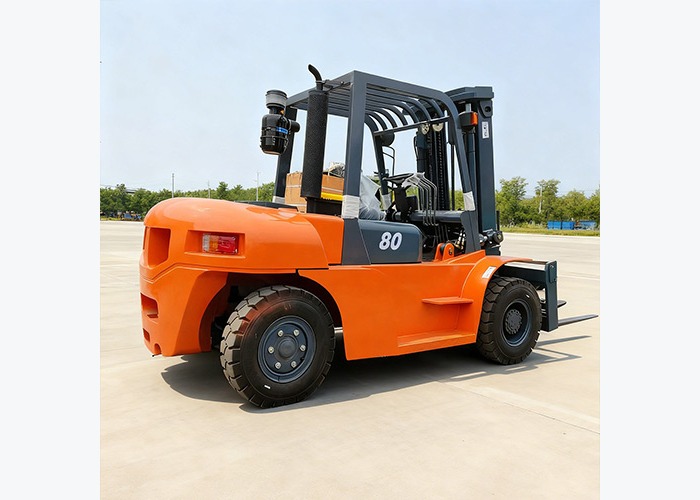
Many companies move up to a 5 ton diesel forklift because the operation genuinely needs broader load coverage, but some buyers choose it mainly because bigger feels safer or more impressive. This is a practical operating issue, not merely a specification detail. The OSHA powered industrial truck guidance provides useful context for the control principles behind this decision. In a real warehouse or yard, the condition should be reviewed with the actual load, route, battery routine, or placement task in mind. The main risk is that an oversized truck can create maneuvering waste, higher fuel cost, and extra wear without fixing the real handling issue. Supervisors and buyers should therefore connect the observation to the real job pattern before assuming a standard configuration will work.
A reliable next step is to map where the current truck class struggles and identify whether the bottleneck is really capacity, surface condition, mast reach, attachment limits, or workflow discipline. Record what was observed instead of relying on memory, because clear operating details make supplier discussions and internal decisions much faster. The relevant diesel forklift category can help translate the requirement into a machine option that fits the route more cleanly. Avoid solving the issue with assumptions or informal workarounds that only look acceptable in a short demonstration. As a decision rule, move into the 5 ton class only when the route clearly benefits from it. That keeps the buying decision tied to the daily task rather than to a generic machine label.
Suppliers give more reliable 5 ton diesel forklift recommendations when they receive real route and load information instead of only a request for price. This is a practical operating issue, not merely a specification detail. The OSHA powered industrial truck standard provides useful context for the control principles behind this decision. In a real warehouse or yard, the condition should be reviewed with the actual load, route, battery routine, or placement task in mind. The main risk is that generic RFQs often produce quotations that are difficult to compare because each supplier fills in the missing assumptions differently. Supervisors and buyers should therefore connect the observation to the real job pattern before assuming a standard configuration will work.
A reliable next step is to send pallet weights, load dimensions, yard photos, surface notes, lift height, attachment needs, and preferred tire style with the inquiry. Record what was observed instead of relying on memory, because clear operating details make supplier discussions and internal decisions much faster. The relevant VY-CPC35 diesel forklift can help translate the requirement into a machine option that fits the route more cleanly. Avoid solving the issue with assumptions or informal workarounds that only look acceptable in a short demonstration. As a decision rule, build the inquiry around the route so the quoted truck matches the site rather than a guess. That keeps the buying decision tied to the daily task rather than to a generic machine label.
When is a 5 ton diesel forklift the right step up? It is usually the right move when the site regularly handles heavier repeatable loads, longer forks, broader yard work, or attachments that push a smaller truck beyond its comfortable range.
Does a 5 ton diesel forklift always need a larger mast? No. Mast choice should be tied to the real lift requirement and route clearance, not assumed just because the truck class is heavier.
Why is tire choice such a big issue for a 5 ton diesel forklift? Because these trucks are often used across mixed outdoor surfaces, and the wrong tire setup can reduce stability, traction confidence, and daily operating efficiency.
Watch a related diesel forklift video here: https://www.youtube.com/watch?v=jxSRUlbpBa8.

A 5 ton diesel forklift delivers the best value when capacity, tires, mast, attachments, and route conditions are reviewed as one package instead of as separate line items.
The strongest buying decision usually comes from understanding the repeatable load, the roughest surface, and the actual travel pattern before finalizing the truck class. When those details are clear, a 5 ton machine can provide the outdoor durability and handling margin a busy yard needs without drifting into overspecification.
For a more accurate recommendation, send VARYON your load data, route photos, lift height, tire preference, and attachment list before requesting the final 5 ton diesel forklift quotation.