Get in touch
* Your personal information is securely protected and will only be used for business communication purposes.

A small electric forklift can be one of the most efficient tools in a warehouse that values narrow aisles, indoor air quality, compact turning space, and shorter travel loops. The attraction is obvious: the truck is easier to position, simpler to fit into tighter zones, and often less intimidating for facilities that do not need a larger counterbalance machine all day. The problem begins when buyers treat small size as a shortcut to easy selection. A compact truck still has to match pallet dimensions, turning pattern, lift height, battery routine, and the busiest repeatable load. If those details are skipped, the same truck that looks agile in a showroom can feel underprepared once it starts working around real racks and real congestion.
This guide is written for warehouse operators, procurement teams, and dealers who want a practical way to choose a small electric forklift for indoor use. It connects maneuverability, turning radius, battery planning, operator comfort, and rack approach control so the machine can be judged by how it performs in the route that actually matters. The goal is not to buy the smallest truck available. The goal is to buy the right compact truck for the real warehouse pattern.
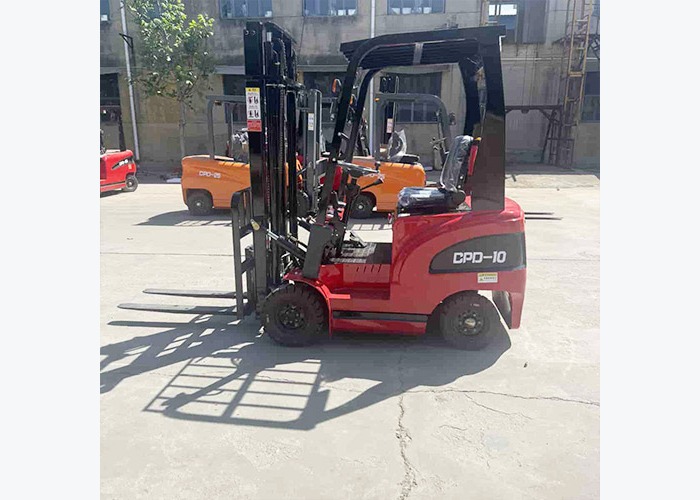
A small electric forklift is usually chosen because the facility wants better maneuverability, but that advantage only matters when aisle width and turning behavior are measured honestly. This is a practical operating issue, not merely a specification detail. The OSHA electric powered industrial truck guidance provides useful context for the control principles behind this decision. In a real warehouse or yard, the condition should be reviewed with the actual load, route, battery routine, or placement task in mind. The main risk is that buyers may assume any compact forklift will fit because the warehouse feels smaller than a yard operation. Supervisors and buyers should therefore connect the observation to the real job pattern before assuming a standard configuration will work.
A reliable next step is to record the narrowest loaded turn, rack-end clearance, doorway width, and staging-space constraints before selecting the truck class. Record what was observed instead of relying on memory, because clear operating details make supplier discussions and internal decisions much faster. The relevant electric forklift category can help translate the requirement into a machine option that fits the route more cleanly. Avoid solving the issue with assumptions or informal workarounds that only look acceptable in a short demonstration. As a decision rule, choose the truck around the tightest repeatable maneuver instead of around the average open area. That keeps the buying decision tied to the daily task rather than to a generic machine label.
A smaller electric forklift should not be treated as a light-duty toy because the real pallet footprint and load center still control how confidently the truck handles the task. This is a practical operating issue, not merely a specification detail. The OSHA battery charging guidance provides useful context for the control principles behind this decision. In a real warehouse or yard, the condition should be reviewed with the actual load, route, battery routine, or placement task in mind. The main risk is that a truck may look agile but still become awkward if the load dominates the chassis and changes visibility or balance. Supervisors and buyers should therefore connect the observation to the real job pattern before assuming a standard configuration will work.
A reliable next step is to review pallet length, pallet overhang, load height, and the heaviest repeatable indoor load before narrowing the model list. Record what was observed instead of relying on memory, because clear operating details make supplier discussions and internal decisions much faster. The relevant VY-CPD10 electric forklift can help translate the requirement into a machine option that fits the route more cleanly. Avoid solving the issue with assumptions or informal workarounds that only look acceptable in a short demonstration. As a decision rule, match the compact truck to the real load profile rather than to the smallest stored pallet. That keeps the buying decision tied to the daily task rather than to a generic machine label.
The turning character of a small electric forklift only becomes meaningful when the operator is carrying the actual load and trying to approach the real storage point. This is a practical operating issue, not merely a specification detail. The OSHA warehouse hazards and solutions provides useful context for the control principles behind this decision. In a real warehouse or yard, the condition should be reviewed with the actual load, route, battery routine, or placement task in mind. The main risk is that buyers often evaluate turning in empty space and then overestimate how freely the truck will move in full operation. Supervisors and buyers should therefore connect the observation to the real job pattern before assuming a standard configuration will work.
A reliable next step is to watch how the truck turns at rack ends, near guard rails, and around waiting pallets with the routine load on the forks. Record what was observed instead of relying on memory, because clear operating details make supplier discussions and internal decisions much faster. The relevant VY-CPD15 electric forklift can help translate the requirement into a machine option that fits the route more cleanly. Avoid solving the issue with assumptions or informal workarounds that only look acceptable in a short demonstration. As a decision rule, judge maneuverability under the same load and congestion the truck will face every shift. That keeps the buying decision tied to the daily task rather than to a generic machine label.
A compact electric forklift may use less space than a larger machine, but it still depends on a battery routine that matches the shift pattern and charging windows. This is a practical operating issue, not merely a specification detail. The OSHA powered industrial truck standard provides useful context for the control principles behind this decision. In a real warehouse or yard, the condition should be reviewed with the actual load, route, battery routine, or placement task in mind. The main risk is that teams may focus on dimensions and forget that battery availability still decides whether the compact truck stays useful all day. Supervisors and buyers should therefore connect the observation to the real job pattern before assuming a standard configuration will work.
A reliable next step is to confirm daily operating hours, idle windows, charger access, and whether the truck is shared across shifts or departments. Record what was observed instead of relying on memory, because clear operating details make supplier discussions and internal decisions much faster. The relevant VY-CPD20 electric forklift can help translate the requirement into a machine option that fits the route more cleanly. Avoid solving the issue with assumptions or informal workarounds that only look acceptable in a short demonstration. As a decision rule, treat battery planning as part of the route fit and not only as an electrical detail. That keeps the buying decision tied to the daily task rather than to a generic machine label.
Many indoor warehouses want compact equipment because overhead space is constrained, yet that same environment may still require enough lift height for rack storage or mezzanine transfer. This is a practical operating issue, not merely a specification detail. The CCOHS battery charging safety provides useful context for the control principles behind this decision. In a real warehouse or yard, the condition should be reviewed with the actual load, route, battery routine, or placement task in mind. The main risk is that a truck can meet the rack-height target but still feel uncomfortable if collapsed mast height or visibility is poorly matched to the route. Supervisors and buyers should therefore connect the observation to the real job pattern before assuming a standard configuration will work.
A reliable next step is to measure the top placement point and also check doorway, sprinkler, canopy, and overhead obstruction conditions along the route. Record what was observed instead of relying on memory, because clear operating details make supplier discussions and internal decisions much faster. The relevant VY-CPD25 electric forklift can help translate the requirement into a machine option that fits the route more cleanly. Avoid solving the issue with assumptions or informal workarounds that only look acceptable in a short demonstration. As a decision rule, balance reach and clearance together instead of optimizing one and assuming the other will work. That keeps the buying decision tied to the daily task rather than to a generic machine label.
A small electric forklift is often sent into tighter areas where pedestrians, parked pallets, and overlapping tasks increase the need for calm, predictable movement. This is a practical operating issue, not merely a specification detail. The HSE workplace transport guidance provides useful context for the control principles behind this decision. In a real warehouse or yard, the condition should be reviewed with the actual load, route, battery routine, or placement task in mind. The main risk is that tight zones can magnify blind spots because there is less recovery room for improvised corrections. Supervisors and buyers should therefore connect the observation to the real job pattern before assuming a standard configuration will work.
A reliable next step is to review sight lines at pickup, reverse travel, intersections, and rack approach instead of assuming a compact truck automatically solves visibility concerns. Record what was observed instead of relying on memory, because clear operating details make supplier discussions and internal decisions much faster. The relevant warehousing and logistics solutions can help translate the requirement into a machine option that fits the route more cleanly. Avoid solving the issue with assumptions or informal workarounds that only look acceptable in a short demonstration. As a decision rule, choose the truck that gives the operator the clearest routine view of the real route. That keeps the buying decision tied to the daily task rather than to a generic machine label.
Compact dimensions are useful, but the warehouse still needs a truck that feels planted and controlled during repeated lifting, turning, and reversing. This is a practical operating issue, not merely a specification detail. The NIOSH forklift safety guidance provides useful context for the control principles behind this decision. In a real warehouse or yard, the condition should be reviewed with the actual load, route, battery routine, or placement task in mind. The main risk is that an overly aggressive push for minimum size can create a machine that feels less composed than the route requires. Supervisors and buyers should therefore connect the observation to the real job pattern before assuming a standard configuration will work.
A reliable next step is to compare how the truck behaves with the normal load at the real travel height rather than focusing only on how short or narrow it looks parked. Record what was observed instead of relying on memory, because clear operating details make supplier discussions and internal decisions much faster. The relevant products overview can help translate the requirement into a machine option that fits the route more cleanly. Avoid solving the issue with assumptions or informal workarounds that only look acceptable in a short demonstration. As a decision rule, optimize for stable maneuverability and not just for the smallest footprint. That keeps the buying decision tied to the daily task rather than to a generic machine label.
Some warehouses think only about storage aisles, even though the compact forklift may also spend time at transfer doors, receiving points, or mixed indoor thresholds. This is a practical operating issue, not merely a specification detail. The Wikipedia electric battery overview provides useful context for the control principles behind this decision. In a real warehouse or yard, the condition should be reviewed with the actual load, route, battery routine, or placement task in mind. The main risk is that buyers may pick a very small truck for storage and then discover it is less comfortable in transfer zones that still matter every day. Supervisors and buyers should therefore connect the observation to the real job pattern before assuming a standard configuration will work.
A reliable next step is to check whether the truck must cross dock plates, enter elevators, feed production lines, or handle short indoor-outdoor transitions under cover. Record what was observed instead of relying on memory, because clear operating details make supplier discussions and internal decisions much faster. The relevant contact VARYON for warehouse planning can help translate the requirement into a machine option that fits the route more cleanly. Avoid solving the issue with assumptions or informal workarounds that only look acceptable in a short demonstration. As a decision rule, review the full indoor route before assuming the narrowest aisle is the only decision point. That keeps the buying decision tied to the daily task rather than to a generic machine label.
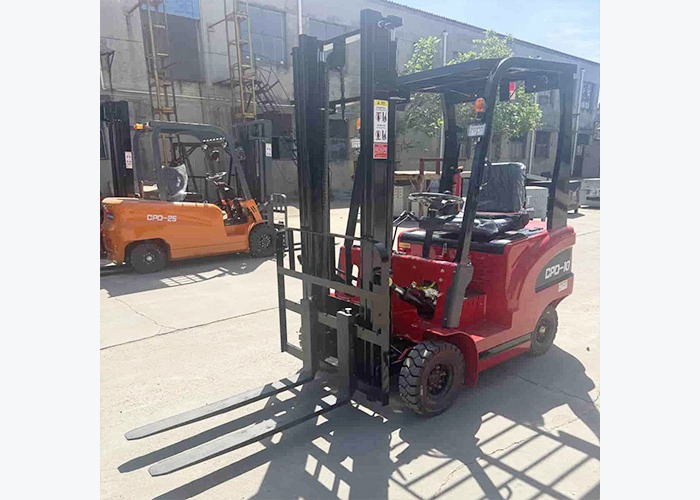
The right small electric forklift should help the warehouse flow better, but a truck that is too small for the routine load can increase repeated trips or awkward pallet handling. This is a practical operating issue, not merely a specification detail. The OSHA electric powered industrial truck guidance provides useful context for the control principles behind this decision. In a real warehouse or yard, the condition should be reviewed with the actual load, route, battery routine, or placement task in mind. The main risk is that compact equipment can hide inefficiency if it forces more moves to finish the same workload. Supervisors and buyers should therefore connect the observation to the real job pattern before assuming a standard configuration will work.
A reliable next step is to compare the expected cycle count, pallet weight, and task duration with the truck’s real working envelope before approving the smallest option. Record what was observed instead of relying on memory, because clear operating details make supplier discussions and internal decisions much faster. The relevant electric forklift category can help translate the requirement into a machine option that fits the route more cleanly. Avoid solving the issue with assumptions or informal workarounds that only look acceptable in a short demonstration. As a decision rule, use compact size to improve flow without sacrificing practical throughput. That keeps the buying decision tied to the daily task rather than to a generic machine label.
Suppliers can recommend a small electric forklift much more accurately when the request includes the geometry of the warehouse and not just the desired capacity. This is a practical operating issue, not merely a specification detail. The OSHA battery charging guidance provides useful context for the control principles behind this decision. In a real warehouse or yard, the condition should be reviewed with the actual load, route, battery routine, or placement task in mind. The main risk is that generic requests often produce compact-truck recommendations that solve different problems than the site actually has. Supervisors and buyers should therefore connect the observation to the real job pattern before assuming a standard configuration will work.
A reliable next step is to send aisle width, turning constraints, load data, lift height, charging pattern, and any elevator or doorway limits with the inquiry. Record what was observed instead of relying on memory, because clear operating details make supplier discussions and internal decisions much faster. The relevant VY-CPD10 electric forklift can help translate the requirement into a machine option that fits the route more cleanly. Avoid solving the issue with assumptions or informal workarounds that only look acceptable in a short demonstration. As a decision rule, describe the real warehouse geometry so the recommendation is tied to use instead of to assumptions. That keeps the buying decision tied to the daily task rather than to a generic machine label.
What makes a small electric forklift different from a standard electric forklift? The main difference is usually the compact geometry and maneuvering focus, which makes it attractive for tighter indoor routes, but it still needs to match load and lift requirements like any other forklift.
Is the smallest electric forklift always the best for narrow aisles? No. The best truck is the one that turns cleanly and handles the real pallet confidently. Going too small can create instability or extra work cycles.
Why does battery planning still matter for a small electric forklift? Because shift coverage, charger access, and shared use determine whether the compact truck stays productive across the whole day.
Watch a related electric forklift video here: https://www.youtube.com/watch?v=du995Rv6RyM.

A small electric forklift should be selected around real aisle geometry, load shape, turning behavior, and battery routine rather than around a simple preference for a compact machine.
The strongest result usually comes from measuring the tightest move in the warehouse and then checking whether the truck still feels stable and efficient with the real pallet. When maneuverability and practical load handling stay in balance, a compact electric forklift can improve indoor flow without forcing the warehouse into constant workarounds.
For a more accurate recommendation, send VARYON your aisle dimensions, lift height, pallet size, charging pattern, and any doorway or elevator limits before requesting the final compact electric forklift proposal.