Get in touch
* Your personal information is securely protected and will only be used for business communication purposes.

A warehouse electric forklift should be selected around the building’s movement pattern, not only around rated capacity. The real questions are how the truck turns in the tightest aisle, where pallets queue at shift change, how often the fleet returns to charge, and whether the route favors compact maneuvering or longer indoor travel. When those details are unclear, buyers may approve a truck that looks efficient in a product sheet but slows the warehouse once peak activity begins.
This guide looks at warehouse electric forklift planning in practical terms. It covers aisle geometry, shift flow, charging zones, battery routine, pallet staging, and operator visibility so warehouse teams can choose an electric truck that fits the daily rhythm of indoor work instead of forcing the building to adapt around the wrong machine.
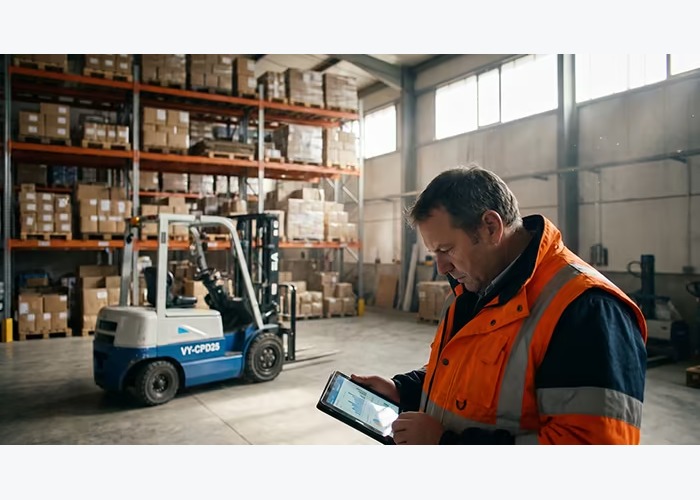
Warehouse forklift fit depends on the loaded aisle and turning pattern that the truck actually sees, not the clean number shown on a layout plan. This is a practical operating issue, not merely a specification detail. The OSHA electric powered industrial truck guidance provides useful context for the control principles behind this decision. In a real warehouse or yard, the condition should be reviewed with the actual load, route, battery routine, or placement task in mind. The main risk is that a truck may appear suitable in theory but feel cramped once real pallets and daily clutter are present. Supervisors and buyers should therefore connect the observation to the real job pattern before assuming a standard configuration will work.
A reliable next step is to measure the tightest working aisle with pallets, guards, columns, and rack protectors in place before final selection. Record what was observed instead of relying on memory, because clear operating details make supplier discussions and internal decisions much faster. The relevant electric forklift category can help translate the requirement into a machine option that fits the route more cleanly. Avoid solving the issue with assumptions or informal workarounds that only look acceptable in a short demonstration. As a decision rule, use real operating clearances when comparing warehouse electric forklift models. That keeps the buying decision tied to the daily task rather than to a generic machine label.
An indoor electric forklift should be judged by the pattern of pickups, travel loops, replenishment tasks, and queue points that happen every shift. This is a practical operating issue, not merely a specification detail. The OSHA battery charging guidance provides useful context for the control principles behind this decision. In a real warehouse or yard, the condition should be reviewed with the actual load, route, battery routine, or placement task in mind. The main risk is that without route mapping, the team may buy for a single lift instead of for the full shift rhythm. Supervisors and buyers should therefore connect the observation to the real job pattern before assuming a standard configuration will work.
A reliable next step is to map the busiest repeatable route and note where the truck pauses, reverses, or competes for space with pedestrians and other equipment. Record what was observed instead of relying on memory, because clear operating details make supplier discussions and internal decisions much faster. The relevant VY-CPD15 electric forklift can help translate the requirement into a machine option that fits the route more cleanly. Avoid solving the issue with assumptions or informal workarounds that only look acceptable in a short demonstration. As a decision rule, select the truck around repeated movement rather than around a one-time demonstration. That keeps the buying decision tied to the daily task rather than to a generic machine label.
Warehouse electric forklifts depend on charging and battery readiness in a way that directly shapes uptime and labor flow. This is a practical operating issue, not merely a specification detail. The OSHA warehouse hazards and solutions provides useful context for the control principles behind this decision. In a real warehouse or yard, the condition should be reviewed with the actual load, route, battery routine, or placement task in mind. The main risk is that a charger plan that ignores handover timing can create hidden queues and lost availability. Supervisors and buyers should therefore connect the observation to the real job pattern before assuming a standard configuration will work.
A reliable next step is to record when trucks return, how long they stay idle, and whether charging happens overnight, on breaks, or between shifts. Record what was observed instead of relying on memory, because clear operating details make supplier discussions and internal decisions much faster. The relevant VY-CPD20 electric forklift can help translate the requirement into a machine option that fits the route more cleanly. Avoid solving the issue with assumptions or informal workarounds that only look acceptable in a short demonstration. As a decision rule, treat battery routine as part of truck selection rather than as a separate facility issue. That keeps the buying decision tied to the daily task rather than to a generic machine label.
The charging area affects traffic, cable safety, truck turnaround, and how consistently the fleet returns ready for work. This is a practical operating issue, not merely a specification detail. The OSHA powered industrial truck standard provides useful context for the control principles behind this decision. In a real warehouse or yard, the condition should be reviewed with the actual load, route, battery routine, or placement task in mind. The main risk is that poorly placed charging zones can disrupt aisle flow and make a good forklift feel inconvenient to use. Supervisors and buyers should therefore connect the observation to the real job pattern before assuming a standard configuration will work.
A reliable next step is to review charger location, cable storage, pedestrian separation, and approach space before increasing the electric fleet count. Record what was observed instead of relying on memory, because clear operating details make supplier discussions and internal decisions much faster. The relevant VY-CPD25 electric forklift can help translate the requirement into a machine option that fits the route more cleanly. Avoid solving the issue with assumptions or informal workarounds that only look acceptable in a short demonstration. As a decision rule, design charging space as a planned warehouse zone, not as an afterthought. That keeps the buying decision tied to the daily task rather than to a generic machine label.
Warehouse work often involves pallet overhang, variable packaging, and rack approaches that make the final inches of placement more important than nominal tonnage alone. This is a practical operating issue, not merely a specification detail. The CCOHS battery charging safety provides useful context for the control principles behind this decision. In a real warehouse or yard, the condition should be reviewed with the actual load, route, battery routine, or placement task in mind. The main risk is that teams can oversimplify the decision by focusing only on rated capacity and ignoring placement behavior. Supervisors and buyers should therefore connect the observation to the real job pattern before assuming a standard configuration will work.
A reliable next step is to document typical pallet size, load center, and the highest repeatable rack placement when comparing model classes. Record what was observed instead of relying on memory, because clear operating details make supplier discussions and internal decisions much faster. The relevant VY-CPD30 electric forklift can help translate the requirement into a machine option that fits the route more cleanly. Avoid solving the issue with assumptions or informal workarounds that only look acceptable in a short demonstration. As a decision rule, judge the forklift by how cleanly it places the real warehouse load into the real rack. That keeps the buying decision tied to the daily task rather than to a generic machine label.
A warehouse electric forklift must feel predictable when turning at aisle ends, approaching cross-aisles, and repositioning near rack faces. This is a practical operating issue, not merely a specification detail. The HSE workplace transport guidance provides useful context for the control principles behind this decision. In a real warehouse or yard, the condition should be reviewed with the actual load, route, battery routine, or placement task in mind. The main risk is that the wrong turning profile can add small delays all shift long. Supervisors and buyers should therefore connect the observation to the real job pattern before assuming a standard configuration will work.
A reliable next step is to compare how much of the route rewards compact turning versus how much demands stability with longer loaded travel. Record what was observed instead of relying on memory, because clear operating details make supplier discussions and internal decisions much faster. The relevant VY-CPD35 electric forklift can help translate the requirement into a machine option that fits the route more cleanly. Avoid solving the issue with assumptions or informal workarounds that only look acceptable in a short demonstration. As a decision rule, match the truck’s maneuvering behavior to the warehouse route instead of choosing by familiarity. That keeps the buying decision tied to the daily task rather than to a generic machine label.
Indoor routes bring frequent interaction with pickers, packers, doors, and cross traffic, so visibility matters as much as lift performance. This is a practical operating issue, not merely a specification detail. The NIOSH forklift safety guidance provides useful context for the control principles behind this decision. In a real warehouse or yard, the condition should be reviewed with the actual load, route, battery routine, or placement task in mind. The main risk is that limited visibility near busy aisles can raise hesitation, contact risk, and damaged pallets. Supervisors and buyers should therefore connect the observation to the real job pattern before assuming a standard configuration will work.
A reliable next step is to review sightlines, horn use, speed rules, mirrors, and crossing points where pedestrians commonly appear. Record what was observed instead of relying on memory, because clear operating details make supplier discussions and internal decisions much faster. The relevant warehousing and logistics solutions can help translate the requirement into a machine option that fits the route more cleanly. Avoid solving the issue with assumptions or informal workarounds that only look acceptable in a short demonstration. As a decision rule, choose and operate the truck with the warehouse traffic pattern in mind. That keeps the buying decision tied to the daily task rather than to a generic machine label.
A warehouse may be indoors, but floor joints, dock plates, ramps, and repaired concrete still change how comfortably the truck travels under load. This is a practical operating issue, not merely a specification detail. The Wikipedia electric battery overview provides useful context for the control principles behind this decision. In a real warehouse or yard, the condition should be reviewed with the actual load, route, battery routine, or placement task in mind. The main risk is that a route that looks smooth in general may still have specific points that disrupt control or comfort. Supervisors and buyers should therefore connect the observation to the real job pattern before assuming a standard configuration will work.
A reliable next step is to walk the route and mark thresholds, transition plates, and damaged floor sections before finalizing tires and route rules. Record what was observed instead of relying on memory, because clear operating details make supplier discussions and internal decisions much faster. The relevant contact VARYON for warehouse planning can help translate the requirement into a machine option that fits the route more cleanly. Avoid solving the issue with assumptions or informal workarounds that only look acceptable in a short demonstration. As a decision rule, include floor condition in warehouse forklift planning rather than assuming all indoor travel is equal. That keeps the buying decision tied to the daily task rather than to a generic machine label.
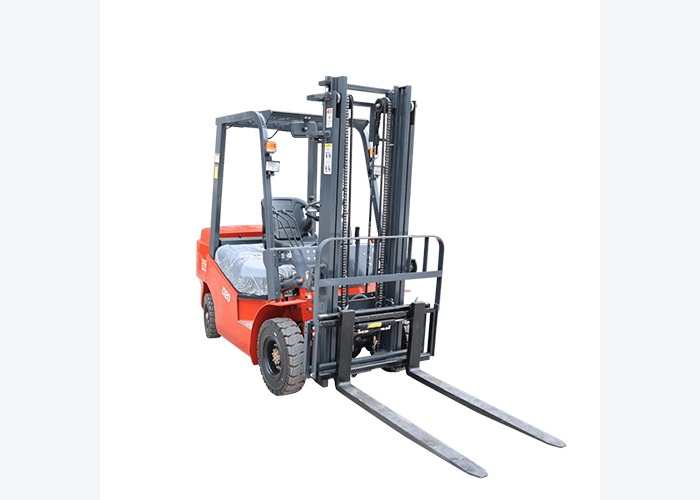
If several teams share the same truck, handover quality often matters as much as the truck specification itself. This is a practical operating issue, not merely a specification detail. The OSHA electric powered industrial truck guidance provides useful context for the control principles behind this decision. In a real warehouse or yard, the condition should be reviewed with the actual load, route, battery routine, or placement task in mind. The main risk is that unclear responsibility can make a good electric forklift seem unreliable. Supervisors and buyers should therefore connect the observation to the real job pattern before assuming a standard configuration will work.
A reliable next step is to define who plugs in, who reports faults, and how the next shift confirms charge state and readiness. Record what was observed instead of relying on memory, because clear operating details make supplier discussions and internal decisions much faster. The relevant electric forklift category can help translate the requirement into a machine option that fits the route more cleanly. Avoid solving the issue with assumptions or informal workarounds that only look acceptable in a short demonstration. As a decision rule, support warehouse uptime with a simple shared-use routine that every shift follows. That keeps the buying decision tied to the daily task rather than to a generic machine label.
Suppliers recommend better indoor electric forklifts when they understand aisle width, shift count, pallet size, charging windows, and travel intensity together. This is a practical operating issue, not merely a specification detail. The OSHA battery charging guidance provides useful context for the control principles behind this decision. In a real warehouse or yard, the condition should be reviewed with the actual load, route, battery routine, or placement task in mind. The main risk is that generic requests often produce trucks that fit the catalog better than the building. Supervisors and buyers should therefore connect the observation to the real job pattern before assuming a standard configuration will work.
A reliable next step is to send layout notes, rack heights, route photos, shift timing, and charging assumptions with the inquiry. Record what was observed instead of relying on memory, because clear operating details make supplier discussions and internal decisions much faster. The relevant VY-CPD15 electric forklift can help translate the requirement into a machine option that fits the route more cleanly. Avoid solving the issue with assumptions or informal workarounds that only look acceptable in a short demonstration. As a decision rule, tie the recommendation to the warehouse workflow so the machine supports daily flow from day one. That keeps the buying decision tied to the daily task rather than to a generic machine label.
What is the biggest mistake when choosing a warehouse electric forklift? Many teams size the truck by capacity only and skip aisle geometry, charging routine, and shift flow. Those details usually decide whether the truck feels efficient in daily use.
Why do charging zones matter so much indoors? Because they affect truck availability, traffic flow, cable safety, and how easily the next operator can return the forklift to service without delay.
Should I choose the most compact electric forklift for every warehouse? Not always. Compact turning helps in tight aisles, but stability, route length, load shape, and charging routine also influence the right choice.
Watch a related electric forklift video here: https://www.youtube.com/watch?v=tP-VDDP7tFE.

A warehouse electric forklift performs best when the truck, aisle, charging routine, and shift flow are planned together.
The right indoor model is the one that fits the busiest route cleanly, returns to charge without disrupting traffic, and places the real pallet confidently at the real rack height. When those building details are clear, electric forklift selection becomes far more reliable than a simple capacity comparison.
For a stronger recommendation, share your aisle width, rack height, pallet size, shift schedule, and charging layout with VARYON.