Get in touch
* Your personal information is securely protected and will only be used for business communication purposes.

A 10 ton diesel forklift is rarely bought for a simple warehouse loop. Most buyers look at this class when loads are broad, dense, irregular, or moved across yard space where smaller trucks begin to lose stability, visibility, or confidence. That makes the buying decision more about route control and load behavior than about headline capacity alone.
This guide explains how to review a 10 ton diesel forklift for heavy pallets, long goods, container transfer, loading yards, stone or timber traffic, and mixed-surface duty. The goal is to help procurement and operations teams confirm whether a high-capacity diesel truck is truly the right fit before they lock in mast, tire, attachment, and clearance choices.
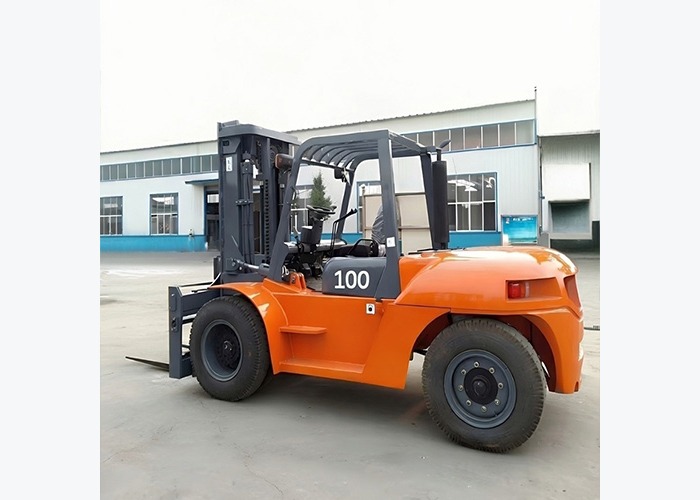
A 10 ton diesel forklift should be selected around the heaviest routine load, not the occasional marketing example used in a showroom discussion. This is a practical operating issue, not merely a specification detail. The OSHA powered industrial truck guidance provides useful context for the control principles behind this decision. In a real warehouse or yard, the condition should be reviewed with the actual load, route, battery routine, or placement task in mind. The main risk is that buyers sometimes size the truck around one dramatic load without checking whether daily work really needs that configuration. Supervisors and buyers should therefore connect the observation to the real job pattern before assuming a standard configuration will work.
A reliable next step is to separate normal daily loads from rare exceptions and confirm the actual dimensions, load center, and pallet condition of the heaviest repeatable unit. Record what was observed instead of relying on memory, because clear operating details make supplier discussions and internal decisions much faster. The relevant diesel forklift category can help translate the requirement into a machine option that fits the route more cleanly. Avoid solving the issue with assumptions or informal workarounds that only look acceptable in a short demonstration. As a decision rule, treat the repeatable load as the real specification anchor. That keeps the buying decision tied to the daily task rather than to a generic machine label.
High-capacity trucks often handle steel, stone, timber, machinery, or broad packaged loads that create different visibility and stability behavior from neat standard pallets. This is a practical operating issue, not merely a specification detail. The OSHA powered industrial truck standard provides useful context for the control principles behind this decision. In a real warehouse or yard, the condition should be reviewed with the actual load, route, battery routine, or placement task in mind. The main risk is that a capacity number alone can hide a visibility or load-center problem that appears on the route. Supervisors and buyers should therefore connect the observation to the real job pattern before assuming a standard configuration will work.
A reliable next step is to record whether the truck will carry wide, long, tall, or irregular goods and compare how that changes line of sight and approach control. Record what was observed instead of relying on memory, because clear operating details make supplier discussions and internal decisions much faster. The relevant VY-CPC50 diesel forklift can help translate the requirement into a machine option that fits the route more cleanly. Avoid solving the issue with assumptions or informal workarounds that only look acceptable in a short demonstration. As a decision rule, review load shape before finalizing mast and fork setup. That keeps the buying decision tied to the daily task rather than to a generic machine label.
A larger diesel forklift needs more turning room, more approach control, and more confidence at corners, gates, and staging lanes than lighter warehouse trucks do. This is a practical operating issue, not merely a specification detail. The OSHA forklift load-composition guidance provides useful context for the control principles behind this decision. In a real warehouse or yard, the condition should be reviewed with the actual load, route, battery routine, or placement task in mind. The main risk is that teams may approve a bigger truck that technically lifts the load but slows the whole site because the route is too tight. Supervisors and buyers should therefore connect the observation to the real job pattern before assuming a standard configuration will work.
A reliable next step is to walk the route and note gate width, aisle openings, trailer alignment, apron congestion, and any points where the truck must turn under load. Record what was observed instead of relying on memory, because clear operating details make supplier discussions and internal decisions much faster. The relevant VY-CPC60 diesel forklift can help translate the requirement into a machine option that fits the route more cleanly. Avoid solving the issue with assumptions or informal workarounds that only look acceptable in a short demonstration. As a decision rule, confirm the route can support the truck before confirming the truck can support the load. That keeps the buying decision tied to the daily task rather than to a generic machine label.
When a 10 ton diesel forklift supports containers, trailers, or dock-edge work, the last meters of approach can be more demanding than the straight travel before them. This is a practical operating issue, not merely a specification detail. The OSHA mast and hydraulic lift overview provides useful context for the control principles behind this decision. In a real warehouse or yard, the condition should be reviewed with the actual load, route, battery routine, or placement task in mind. The main risk is that heavy-load work near containers can become slow and damaging if the truck is oversized for the entry path or underspecified for the payload. Supervisors and buyers should therefore connect the observation to the real job pattern before assuming a standard configuration will work.
A reliable next step is to observe dock plates, ramp transitions, trailer floors, and side clearances where the load must be centered without repeated steering correction. Record what was observed instead of relying on memory, because clear operating details make supplier discussions and internal decisions much faster. The relevant VY-CPC80 diesel forklift can help translate the requirement into a machine option that fits the route more cleanly. Avoid solving the issue with assumptions or informal workarounds that only look acceptable in a short demonstration. As a decision rule, treat container approach as a separate buying checkpoint. That keeps the buying decision tied to the daily task rather than to a generic machine label.
Pneumatic, solid, and application-specific tire choices influence how a high-capacity diesel forklift behaves on concrete, gravel, yard joints, and weather-exposed surfaces. This is a practical operating issue, not merely a specification detail. The NIOSH forklift safety guidance provides useful context for the control principles behind this decision. In a real warehouse or yard, the condition should be reviewed with the actual load, route, battery routine, or placement task in mind. The main risk is that a heavy truck with the wrong tire setup can feel harsher and less predictable than expected. Supervisors and buyers should therefore connect the observation to the real job pattern before assuming a standard configuration will work.
A reliable next step is to compare the route’s roughest repeatable surface, debris level, wet exposure, and shock points before finalizing the tire package. Record what was observed instead of relying on memory, because clear operating details make supplier discussions and internal decisions much faster. The relevant VY-CPC100 diesel forklift can help translate the requirement into a machine option that fits the route more cleanly. Avoid solving the issue with assumptions or informal workarounds that only look acceptable in a short demonstration. As a decision rule, choose tires for the hardest regular surface instead of the cleanest one. That keeps the buying decision tied to the daily task rather than to a generic machine label.
Side shifters, longer forks, clamps, and other attachments can alter effective capacity, visibility, and the way the truck behaves with large loads. This is a practical operating issue, not merely a specification detail. The CCOHS forklift safety guidance provides useful context for the control principles behind this decision. In a real warehouse or yard, the condition should be reviewed with the actual load, route, battery routine, or placement task in mind. The main risk is that buyers often treat attachments as accessories when they should be treated as part of the core configuration. Supervisors and buyers should therefore connect the observation to the real job pattern before assuming a standard configuration will work.
A reliable next step is to ask for the rated capacity with the exact attachment package installed instead of assuming the base truck rating still applies. Record what was observed instead of relying on memory, because clear operating details make supplier discussions and internal decisions much faster. The relevant factory material handling solutions can help translate the requirement into a machine option that fits the route more cleanly. Avoid solving the issue with assumptions or informal workarounds that only look acceptable in a short demonstration. As a decision rule, confirm attachment effects before approving the quote. That keeps the buying decision tied to the daily task rather than to a generic machine label.
High-capacity work increases the consequences of a poor sight line, especially when broad or tall loads hide the route near pedestrians or fixed structures. This is a practical operating issue, not merely a specification detail. The HSE lift-truck training guidance provides useful context for the control principles behind this decision. In a real warehouse or yard, the condition should be reviewed with the actual load, route, battery routine, or placement task in mind. The main risk is that a truck may look strong on paper while still being awkward or risky in daily maneuvering. Supervisors and buyers should therefore connect the observation to the real job pattern before assuming a standard configuration will work.
A reliable next step is to decide where spotters, mirrors, travel direction rules, or slower approach speeds are necessary on the actual route. Record what was observed instead of relying on memory, because clear operating details make supplier discussions and internal decisions much faster. The relevant products overview can help translate the requirement into a machine option that fits the route more cleanly. Avoid solving the issue with assumptions or informal workarounds that only look acceptable in a short demonstration. As a decision rule, match operating rules to the real visibility limits of the load and truck. That keeps the buying decision tied to the daily task rather than to a generic machine label.
Large diesel forklifts are often judged only by lifting power, yet their value also depends on how consistently they return to work across the full shift. This is a practical operating issue, not merely a specification detail. The Wikipedia overview of forklift trucks provides useful context for the control principles behind this decision. In a real warehouse or yard, the condition should be reviewed with the actual load, route, battery routine, or placement task in mind. The main risk is that a powerful truck can still become a bottleneck if its daily routine is not planned around the actual duty cycle. Supervisors and buyers should therefore connect the observation to the real job pattern before assuming a standard configuration will work.
A reliable next step is to review travel distance, idle time, fueling access, queue delays, and whether the truck supports one zone or several departments. Record what was observed instead of relying on memory, because clear operating details make supplier discussions and internal decisions much faster. The relevant contact the VARYON team can help translate the requirement into a machine option that fits the route more cleanly. Avoid solving the issue with assumptions or informal workarounds that only look acceptable in a short demonstration. As a decision rule, treat availability planning as part of the equipment decision. That keeps the buying decision tied to the daily task rather than to a generic machine label.
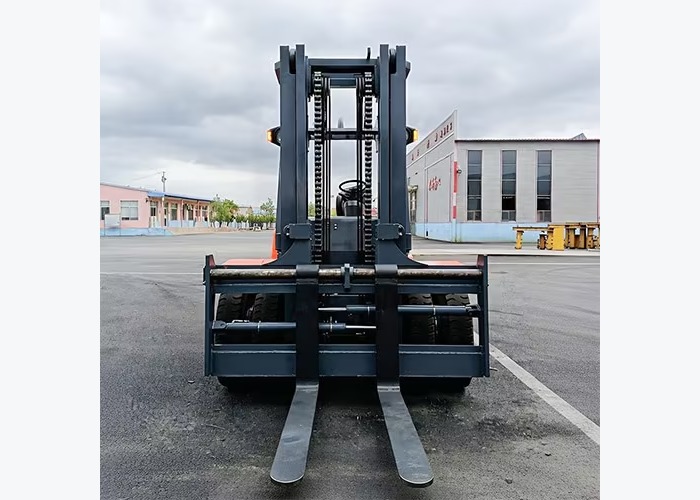
Heavy-duty diesel forklifts need practical access to routine checks if the site wants reliable uptime instead of reactive repair after long outdoor shifts. This is a practical operating issue, not merely a specification detail. The OSHA powered industrial truck guidance provides useful context for the control principles behind this decision. In a real warehouse or yard, the condition should be reviewed with the actual load, route, battery routine, or placement task in mind. The main risk is that a truck that is difficult to inspect may accumulate avoidable downtime. Supervisors and buyers should therefore connect the observation to the real job pattern before assuming a standard configuration will work.
A reliable next step is to inspect where technicians will reach filters, tires, mast points, and visible wear items under the site’s real maintenance conditions. Record what was observed instead of relying on memory, because clear operating details make supplier discussions and internal decisions much faster. The relevant diesel forklift category can help translate the requirement into a machine option that fits the route more cleanly. Avoid solving the issue with assumptions or informal workarounds that only look acceptable in a short demonstration. As a decision rule, include service access in the buying conversation instead of leaving it for later. That keeps the buying decision tied to the daily task rather than to a generic machine label.
Suppliers can recommend a 10 ton diesel forklift more accurately when they receive route photos, load dimensions, and surface notes rather than only a capacity target. This is a practical operating issue, not merely a specification detail. The OSHA powered industrial truck standard provides useful context for the control principles behind this decision. In a real warehouse or yard, the condition should be reviewed with the actual load, route, battery routine, or placement task in mind. The main risk is that generic quote requests often produce answers based on assumptions rather than on the real heavy-load task. Supervisors and buyers should therefore connect the observation to the real job pattern before assuming a standard configuration will work.
A reliable next step is to send load weights, load dimensions, route width, gate limits, yard photos, and attachment needs with the quote request. Record what was observed instead of relying on memory, because clear operating details make supplier discussions and internal decisions much faster. The relevant VY-CPC50 diesel forklift can help translate the requirement into a machine option that fits the route more cleanly. Avoid solving the issue with assumptions or informal workarounds that only look acceptable in a short demonstration. As a decision rule, make the load and route visible before comparing suppliers. That keeps the buying decision tied to the daily task rather than to a generic machine label.
When does a buyer really need a 10 ton diesel forklift? Usually when the site handles dense or oversized loads repeatedly and smaller trucks create load-center, route-clearance, or stability limits.
Can attachments change the useful capacity of a 10 ton forklift? Yes. Attachment weight and offset can reduce practical capacity, so the configuration should be rated exactly as ordered.
Why is route clearance so important on a high-capacity truck? Because turning radius, gate width, trailer approach, and visibility can become the real daily limit even when the nominal lifting capacity looks sufficient.
Watch a related diesel forklift video here: https://www.youtube.com/watch?v=RyQD642dVyg.

A 10 ton diesel forklift should be approved only after the load, route, clearance, tire setup, and attachment plan have been reviewed together.
That approach prevents the common mistake of buying a truck that can lift the load but cannot move it efficiently through the actual site.
For a more precise recommendation, send VARYON the load dimensions, route photos, clearance limits, attachment needs, and the daily duty pattern the truck must support.