Get in touch
* Your personal information is securely protected and will only be used for business communication purposes.

Container loading puts a diesel forklift into one of the most demanding everyday material-handling jobs: the truck has to move between yard, dock, ramp, trailer edge, container opening, and staging zone while carrying loads that may be heavy, tall, offset, or time-sensitive. The work looks routine when everything is aligned, but small mismatches in truck capacity, ramp condition, pallet flow, or operator visibility can quickly slow the whole loading window.
This guide explains how to plan diesel forklift container loading with a practical eye. It covers the truck specification, dock and ramp conditions, pallet staging, route discipline, attachment choices, load stability, and the checks that help buyers avoid choosing a machine that can lift the pallet but cannot support the real loading rhythm.
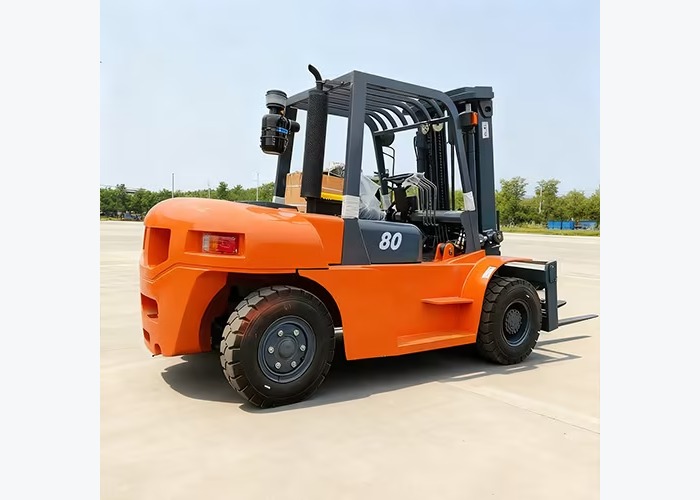
Container loading should be planned around the worst repeatable pallet, crate, or bundle rather than the easiest average load. This is a practical operating issue, not merely a specification detail. The OSHA powered industrial truck guidance provides useful context for the control principles behind this decision. In a real warehouse or yard, the condition should be reviewed with the actual load, route, battery routine, or placement task in mind. The main risk is that buyers may choose a truck that works for ordinary pallets but struggles with the heaviest export pack. Supervisors and buyers should therefore connect the observation to the real job pattern before assuming a standard configuration will work.
A reliable next step is to record maximum load weight, pallet dimensions, load center, and whether the load must be lifted, pushed, or precisely placed inside the container. Record what was observed instead of relying on memory, because clear operating details make supplier discussions and internal decisions much faster. The relevant diesel forklift category can help translate the requirement into a machine option that fits the route more cleanly. Avoid solving the issue with assumptions or informal workarounds that only look acceptable in a short demonstration. As a decision rule, select capacity with a realistic margin for the actual loading program. That keeps the buying decision tied to the daily task rather than to a generic machine label.
The container opening, dock height, ramp angle, and truck overhead clearance shape the safe working envelope. This is a practical operating issue, not merely a specification detail. The OSHA powered industrial truck standard provides useful context for the control principles behind this decision. In a real warehouse or yard, the condition should be reviewed with the actual load, route, battery routine, or placement task in mind. The main risk is that a truck may be powerful enough but physically awkward at the container face. Supervisors and buyers should therefore connect the observation to the real job pattern before assuming a standard configuration will work.
A reliable next step is to measure door height, dock plate position, mast height, lowered mast height, and turning space before specifying the truck. Record what was observed instead of relying on memory, because clear operating details make supplier discussions and internal decisions much faster. The relevant VY-CPC35 diesel forklift can help translate the requirement into a machine option that fits the route more cleanly. Avoid solving the issue with assumptions or informal workarounds that only look acceptable in a short demonstration. As a decision rule, treat access geometry as part of the forklift specification. That keeps the buying decision tied to the daily task rather than to a generic machine label.
A ramp or dock plate changes traction, approach angle, braking distance, and load movement, especially in outdoor yards. This is a practical operating issue, not merely a specification detail. The OSHA forklift load-composition guidance provides useful context for the control principles behind this decision. In a real warehouse or yard, the condition should be reviewed with the actual load, route, battery routine, or placement task in mind. The main risk is that poor surfaces can shift the load or reduce steering confidence during the final approach. Supervisors and buyers should therefore connect the observation to the real job pattern before assuming a standard configuration will work.
A reliable next step is to inspect surface condition, plate rating, slope, wet areas, and transition points before production loading begins. Record what was observed instead of relying on memory, because clear operating details make supplier discussions and internal decisions much faster. The relevant VY-CPC40 diesel forklift can help translate the requirement into a machine option that fits the route more cleanly. Avoid solving the issue with assumptions or informal workarounds that only look acceptable in a short demonstration. As a decision rule, slow the route before the ramp rather than correcting after the truck is already committed. That keeps the buying decision tied to the daily task rather than to a generic machine label.
Loading speed depends on how pallets are staged, sequenced, and handed to the truck, not only on engine output. This is a practical operating issue, not merely a specification detail. The OSHA mast and hydraulic lift overview provides useful context for the control principles behind this decision. In a real warehouse or yard, the condition should be reviewed with the actual load, route, battery routine, or placement task in mind. The main risk is that unplanned staging turns a strong forklift into a waiting machine. Supervisors and buyers should therefore connect the observation to the real job pattern before assuming a standard configuration will work.
A reliable next step is to arrange staging lanes so the operator can pick, travel, place, and return without unnecessary reversing or crossing traffic. Record what was observed instead of relying on memory, because clear operating details make supplier discussions and internal decisions much faster. The relevant VY-CPC50 diesel forklift can help translate the requirement into a machine option that fits the route more cleanly. Avoid solving the issue with assumptions or informal workarounds that only look acceptable in a short demonstration. As a decision rule, design the flow so each cycle is predictable and visible. That keeps the buying decision tied to the daily task rather than to a generic machine label.
Container work often involves long pallets, tall cargo, fork extensions, side shifters, or other front-end changes that affect usable capacity. This is a practical operating issue, not merely a specification detail. The NIOSH forklift safety guidance provides useful context for the control principles behind this decision. In a real warehouse or yard, the condition should be reviewed with the actual load, route, battery routine, or placement task in mind. The main risk is that assuming nominal capacity after adding an attachment can create an unsafe margin. Supervisors and buyers should therefore connect the observation to the real job pattern before assuming a standard configuration will work.
A reliable next step is to confirm rated capacity with the exact fork length, attachment, mast, and load center used on the route. Record what was observed instead of relying on memory, because clear operating details make supplier discussions and internal decisions much faster. The relevant VY-CPC60 diesel forklift can help translate the requirement into a machine option that fits the route more cleanly. Avoid solving the issue with assumptions or informal workarounds that only look acceptable in a short demonstration. As a decision rule, request a capacity confirmation for the container-loading configuration. That keeps the buying decision tied to the daily task rather than to a generic machine label.
The operator often works near doors, walls, stacked cargo, dock guards, and people coordinating paperwork or seals. This is a practical operating issue, not merely a specification detail. The CCOHS forklift safety guidance provides useful context for the control principles behind this decision. In a real warehouse or yard, the condition should be reviewed with the actual load, route, battery routine, or placement task in mind. The main risk is that small blind spots can produce pallet rub, packaging damage, or contact with container walls. Supervisors and buyers should therefore connect the observation to the real job pattern before assuming a standard configuration will work.
A reliable next step is to review sightlines, signal rules, mirrors, lighting, and communication between the operator and ground team. Record what was observed instead of relying on memory, because clear operating details make supplier discussions and internal decisions much faster. The relevant VY-CPC80 diesel forklift can help translate the requirement into a machine option that fits the route more cleanly. Avoid solving the issue with assumptions or informal workarounds that only look acceptable in a short demonstration. As a decision rule, set a simple communication routine before the rush starts. That keeps the buying decision tied to the daily task rather than to a generic machine label.
Diesel forklifts suit outdoor work well, but rain, dust, loose gravel, and yard transitions still affect braking and load control. This is a practical operating issue, not merely a specification detail. The HSE lift-truck training guidance provides useful context for the control principles behind this decision. In a real warehouse or yard, the condition should be reviewed with the actual load, route, battery routine, or placement task in mind. The main risk is that operators may carry habits from a clean indoor aisle into a yard that behaves very differently. Supervisors and buyers should therefore connect the observation to the real job pattern before assuming a standard configuration will work.
A reliable next step is to identify where the route changes from concrete to gravel, apron to ramp, or dry surface to wet tire track. Record what was observed instead of relying on memory, because clear operating details make supplier discussions and internal decisions much faster. The relevant factory material handling solutions can help translate the requirement into a machine option that fits the route more cleanly. Avoid solving the issue with assumptions or informal workarounds that only look acceptable in a short demonstration. As a decision rule, adjust speed and route expectations to the actual surface of the day. That keeps the buying decision tied to the daily task rather than to a generic machine label.
The order in which loads enter the container affects balance, clearance, and operator confidence. This is a practical operating issue, not merely a specification detail. The Wikipedia overview of forklift trucks provides useful context for the control principles behind this decision. In a real warehouse or yard, the condition should be reviewed with the actual load, route, battery routine, or placement task in mind. The main risk is that last-minute rearrangement inside a container wastes time and increases handling risk. Supervisors and buyers should therefore connect the observation to the real job pattern before assuming a standard configuration will work.
A reliable next step is to plan heavy, tall, fragile, and irregular loads before the first pallet enters the container. Record what was observed instead of relying on memory, because clear operating details make supplier discussions and internal decisions much faster. The relevant contact the VARYON team can help translate the requirement into a machine option that fits the route more cleanly. Avoid solving the issue with assumptions or informal workarounds that only look acceptable in a short demonstration. As a decision rule, prepare the sequence with logistics staff before the forklift starts working. That keeps the buying decision tied to the daily task rather than to a generic machine label.
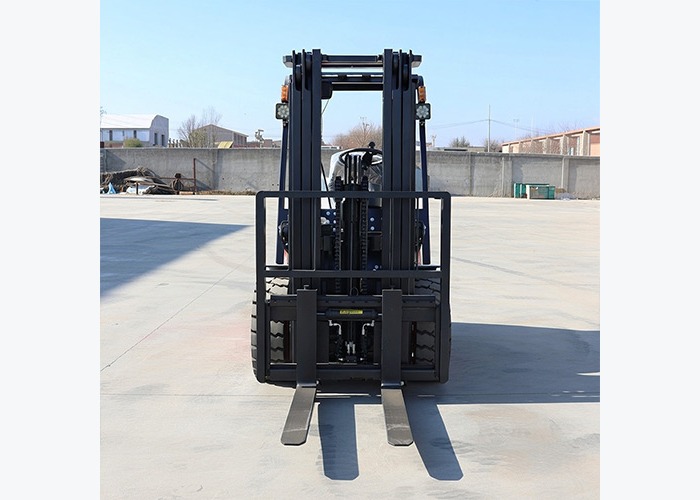
Container loading stresses brakes, tires, forks, mast, hydraulics, and steering because the work repeats under load. This is a practical operating issue, not merely a specification detail. The OSHA powered industrial truck guidance provides useful context for the control principles behind this decision. In a real warehouse or yard, the condition should be reviewed with the actual load, route, battery routine, or placement task in mind. The main risk is that a minor issue may appear only after repeated ramp cycles. Supervisors and buyers should therefore connect the observation to the real job pattern before assuming a standard configuration will work.
A reliable next step is to add route-specific checks for fork condition, tire wear, hydraulic leaks, brake response, horn, lights, and warning devices. Record what was observed instead of relying on memory, because clear operating details make supplier discussions and internal decisions much faster. The relevant diesel forklift category can help translate the requirement into a machine option that fits the route more cleanly. Avoid solving the issue with assumptions or informal workarounds that only look acceptable in a short demonstration. As a decision rule, inspect before the loading window rather than between urgent trucks. That keeps the buying decision tied to the daily task rather than to a generic machine label.
Suppliers can recommend a better diesel forklift when they understand the container size, pallet pattern, yard route, dock design, and peak loading schedule. This is a practical operating issue, not merely a specification detail. The OSHA powered industrial truck standard provides useful context for the control principles behind this decision. In a real warehouse or yard, the condition should be reviewed with the actual load, route, battery routine, or placement task in mind. The main risk is that generic requests often miss the details that define container productivity. Supervisors and buyers should therefore connect the observation to the real job pattern before assuming a standard configuration will work.
A reliable next step is to send photos, measurements, load weights, pallet drawings, shift expectations, and attachment requirements with the inquiry. Record what was observed instead of relying on memory, because clear operating details make supplier discussions and internal decisions much faster. The relevant VY-CPC35 diesel forklift can help translate the requirement into a machine option that fits the route more cleanly. Avoid solving the issue with assumptions or informal workarounds that only look acceptable in a short demonstration. As a decision rule, ask for a recommendation tied to your actual loading route. That keeps the buying decision tied to the daily task rather than to a generic machine label.
Is a diesel forklift a good choice for container loading? Yes, diesel forklifts are often suitable for outdoor yards and heavier loading work, but the final fit depends on capacity, mast height, ramp conditions, access geometry, and route layout.
What capacity should I choose for container loading? Start with the heaviest repeatable load, real load center, required lift height, fork length, attachment, and surface conditions rather than choosing by nominal tonnage alone.
Do I need a side shifter for container loading? A side shifter can help with final alignment when space is tight, but it should be confirmed in the truck’s rated capacity and matched to the actual route.
Watch a related diesel forklift video here: https://www.youtube.com/watch?v=Pn4j5k7LRQI.

A diesel forklift for container loading should be selected around the whole loading route, not one isolated lift.
The best result comes from combining capacity margin, clear access geometry, disciplined staging, route-specific inspection, and a loading sequence that protects stability and visibility.
For a practical recommendation, share container type, dock measurements, pallet size, load weight, route photos, and peak loading schedule with VARYON.