Get in touch
* Your personal information is securely protected and will only be used for business communication purposes.

Electric stackers often work in compact warehouse zones where one missed charge, loose connector, weak battery, or careless storage habit can stop pallet movement at exactly the wrong moment. Because stackers are smaller than forklifts, teams sometimes underestimate the importance of battery care. In reality, the battery is central to lifting speed, travel behavior, charger availability, and daily confidence.
This guide explains practical electric stacker battery maintenance for walkie and stand-on models. It covers charging routines, connector handling, runtime tracking, battery inspection, storage habits, operator reporting, and the difference between a true battery issue and a workload or route problem.
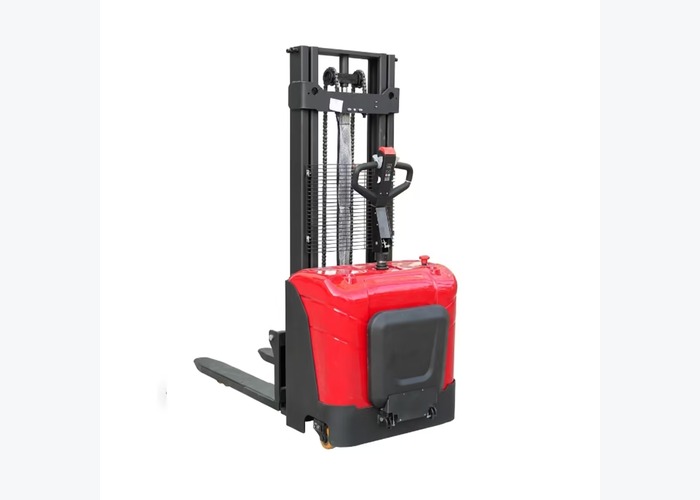
Battery maintenance should match how the stacker is actually used, including travel distance, lift frequency, pallet weight, and idle time. This is a practical operating issue, not merely a specification detail. The OSHA powered industrial truck guidance provides useful context for the control principles behind this decision. In a real warehouse or yard, the condition should be reviewed with the actual load, route, battery routine, or placement task in mind. The main risk is that teams may blame the battery when the real issue is a duty cycle that has grown beyond the original plan. Supervisors and buyers should therefore connect the observation to the real job pattern before assuming a standard configuration will work.
A reliable next step is to record when runtime drops, what loads are handled, and how often the truck lifts near its normal limit. Record what was observed instead of relying on memory, because clear operating details make supplier discussions and internal decisions much faster. The relevant stacker category can help translate the requirement into a machine option that fits the route more cleanly. Avoid solving the issue with assumptions or informal workarounds that only look acceptable in a short demonstration. As a decision rule, compare battery behavior with the current workload before replacing parts. That keeps the buying decision tied to the daily task rather than to a generic machine label.
A stacker that is not plugged in correctly at the end of a shift will behave like an unreliable machine the next day. This is a practical operating issue, not merely a specification detail. The OSHA powered industrial truck standard provides useful context for the control principles behind this decision. In a real warehouse or yard, the condition should be reviewed with the actual load, route, battery routine, or placement task in mind. The main risk is that unclear responsibility creates missed charges and inconsistent runtime. Supervisors and buyers should therefore connect the observation to the real job pattern before assuming a standard configuration will work.
A reliable next step is to assign who connects, disconnects, checks the indicator, and reports charging exceptions. Record what was observed instead of relying on memory, because clear operating details make supplier discussions and internal decisions much faster. The relevant walkie stacker CDD-15 can help translate the requirement into a machine option that fits the route more cleanly. Avoid solving the issue with assumptions or informal workarounds that only look acceptable in a short demonstration. As a decision rule, make charging part of the handover rather than an optional habit. That keeps the buying decision tied to the daily task rather than to a generic machine label.
Small trucks often charge in tight spaces where connectors may be dropped, dragged, crushed, or bent. This is a practical operating issue, not merely a specification detail. The CCOHS manual materials handling guidance provides useful context for the control principles behind this decision. In a real warehouse or yard, the condition should be reviewed with the actual load, route, battery routine, or placement task in mind. The main risk is that damaged connectors create heat, intermittent charging, and nuisance faults. Supervisors and buyers should therefore connect the observation to the real job pattern before assuming a standard configuration will work.
A reliable next step is to inspect cables, plugs, strain relief, and charging location at the beginning and end of the shift. Record what was observed instead of relying on memory, because clear operating details make supplier discussions and internal decisions much faster. The relevant walkie stacker CDD-20 can help translate the requirement into a machine option that fits the route more cleanly. Avoid solving the issue with assumptions or informal workarounds that only look acceptable in a short demonstration. As a decision rule, store cables off the floor and keep the charging bay clear. That keeps the buying decision tied to the daily task rather than to a generic machine label.
Lead-acid and lithium systems have different requirements, charging behavior, and inspection needs. This is a practical operating issue, not merely a specification detail. The CCOHS forklift truck safety provides useful context for the control principles behind this decision. In a real warehouse or yard, the condition should be reviewed with the actual load, route, battery routine, or placement task in mind. The main risk is that copying habits from one battery type to another can shorten life or create hazards. Supervisors and buyers should therefore connect the observation to the real job pattern before assuming a standard configuration will work.
A reliable next step is to identify the battery type and follow the manufacturer’s charging, storage, and maintenance instructions. Record what was observed instead of relying on memory, because clear operating details make supplier discussions and internal decisions much faster. The relevant stand-on stacker CZD-15 can help translate the requirement into a machine option that fits the route more cleanly. Avoid solving the issue with assumptions or informal workarounds that only look acceptable in a short demonstration. As a decision rule, write the battery type and basic charging rule where operators can see it. That keeps the buying decision tied to the daily task rather than to a generic machine label.
A simple runtime record helps separate normal discharge from aging battery, charger issue, route change, or operator behavior. This is a practical operating issue, not merely a specification detail. The HSE workplace transport guidance provides useful context for the control principles behind this decision. In a real warehouse or yard, the condition should be reviewed with the actual load, route, battery routine, or placement task in mind. The main risk is that memory-based reporting often exaggerates or hides the pattern. Supervisors and buyers should therefore connect the observation to the real job pattern before assuming a standard configuration will work.
A reliable next step is to record start charge, end charge, hours worked, load intensity, and any warning indicator for repeated complaints. Record what was observed instead of relying on memory, because clear operating details make supplier discussions and internal decisions much faster. The relevant stand-on stacker CZD-20 can help translate the requirement into a machine option that fits the route more cleanly. Avoid solving the issue with assumptions or informal workarounds that only look acceptable in a short demonstration. As a decision rule, use a few days of records before deciding whether the battery is failing. That keeps the buying decision tied to the daily task rather than to a generic machine label.
Even a compact stacker needs a charging location that avoids traffic conflict, cable damage, poor housekeeping, and blocked access. This is a practical operating issue, not merely a specification detail. The NIOSH forklift safety guidance provides useful context for the control principles behind this decision. In a real warehouse or yard, the condition should be reviewed with the actual load, route, battery routine, or placement task in mind. The main risk is that a charging area placed in a shortcut lane creates avoidable equipment and pedestrian risk. Supervisors and buyers should therefore connect the observation to the real job pattern before assuming a standard configuration will work.
A reliable next step is to park the stacker in the designated charging zone with forks lowered, controls neutral, and cables protected. Record what was observed instead of relying on memory, because clear operating details make supplier discussions and internal decisions much faster. The relevant warehousing and logistics solutions can help translate the requirement into a machine option that fits the route more cleanly. Avoid solving the issue with assumptions or informal workarounds that only look acceptable in a short demonstration. As a decision rule, treat the charger location as part of the warehouse layout. That keeps the buying decision tied to the daily task rather than to a generic machine label.
Battery condition can affect lifting and travel, but similar symptoms can come from hydraulic, motor, control, or load issues. This is a practical operating issue, not merely a specification detail. The Wikipedia pallet jack overview provides useful context for the control principles behind this decision. In a real warehouse or yard, the condition should be reviewed with the actual load, route, battery routine, or placement task in mind. The main risk is that replacing a battery without confirming the symptom can miss a charger or mechanical fault. Supervisors and buyers should therefore connect the observation to the real job pattern before assuming a standard configuration will work.
A reliable next step is to note whether the symptom appears only under load, only after several hours, or immediately after charging. Record what was observed instead of relying on memory, because clear operating details make supplier discussions and internal decisions much faster. The relevant VARYON products overview can help translate the requirement into a machine option that fits the route more cleanly. Avoid solving the issue with assumptions or informal workarounds that only look acceptable in a short demonstration. As a decision rule, document the conditions before requesting service. That keeps the buying decision tied to the daily task rather than to a generic machine label.
A stacker left discharged, exposed to unsuitable temperatures, or stored without follow-up can lose availability even when it is not working. This is a practical operating issue, not merely a specification detail. The Wikipedia forklift overview provides useful context for the control principles behind this decision. In a real warehouse or yard, the condition should be reviewed with the actual load, route, battery routine, or placement task in mind. The main risk is that idle equipment can decline quietly because no operator reports a symptom. Supervisors and buyers should therefore connect the observation to the real job pattern before assuming a standard configuration will work.
A reliable next step is to follow the approved storage charge level and inspection interval for the battery type. Record what was observed instead of relying on memory, because clear operating details make supplier discussions and internal decisions much faster. The relevant contact VARYON for stacker support can help translate the requirement into a machine option that fits the route more cleanly. Avoid solving the issue with assumptions or informal workarounds that only look acceptable in a short demonstration. As a decision rule, include low-use stackers in the maintenance calendar. That keeps the buying decision tied to the daily task rather than to a generic machine label.

Operators do not need to become battery technicians, but they should know what to inspect, what to report, and what not to touch. This is a practical operating issue, not merely a specification detail. The OSHA powered industrial truck guidance provides useful context for the control principles behind this decision. In a real warehouse or yard, the condition should be reviewed with the actual load, route, battery routine, or placement task in mind. The main risk is that untrained users may keep working around weak runtime until the stacker fails in a busy aisle. Supervisors and buyers should therefore connect the observation to the real job pattern before assuming a standard configuration will work.
A reliable next step is to teach connector care, charging indicators, warning signs, safe parking, and when to stop using the truck. Record what was observed instead of relying on memory, because clear operating details make supplier discussions and internal decisions much faster. The relevant stacker category can help translate the requirement into a machine option that fits the route more cleanly. Avoid solving the issue with assumptions or informal workarounds that only look acceptable in a short demonstration. As a decision rule, give operators clear stop-and-report rules. That keeps the buying decision tied to the daily task rather than to a generic machine label.
Battery decline can be managed when the team sees the trend early and plans service or replacement around workload. This is a practical operating issue, not merely a specification detail. The OSHA powered industrial truck standard provides useful context for the control principles behind this decision. In a real warehouse or yard, the condition should be reviewed with the actual load, route, battery routine, or placement task in mind. The main risk is that waiting for total failure can leave the warehouse without a compact handling tool. Supervisors and buyers should therefore connect the observation to the real job pattern before assuming a standard configuration will work.
A reliable next step is to review runtime records, age, charging history, and fault reports during scheduled maintenance. Record what was observed instead of relying on memory, because clear operating details make supplier discussions and internal decisions much faster. The relevant walkie stacker CDD-15 can help translate the requirement into a machine option that fits the route more cleanly. Avoid solving the issue with assumptions or informal workarounds that only look acceptable in a short demonstration. As a decision rule, plan battery service as part of fleet availability rather than emergency repair. That keeps the buying decision tied to the daily task rather than to a generic machine label.
Why does my electric stacker lose power before the shift ends? Possible causes include heavier workload, missed charging, battery aging, charger mismatch, connector damage, or a fault outside the battery system.
Can operators repair a damaged charging connector? No. Operators should report damage and stop unsafe use according to site rules. Electrical repair should be handled by qualified personnel.
Should an unused stacker still be charged and inspected? Yes. Storage routine depends on battery type, but idle equipment still needs scheduled checks to preserve availability.
Watch a related stacker video here: https://www.youtube.com/watch?v=2v7TII46teo.
Electric stacker battery maintenance is mostly about consistency: charge correctly, protect connectors, record runtime, and respond to warning signs early.
A good routine helps the warehouse tell the difference between a true battery problem, a charger problem, a growing workload, or a mechanical issue that only appears under load.
For support, share the stacker model, battery type, charger details, daily workload, runtime history, and any warning indicators with VARYON.