Get in touch
* Your personal information is securely protected and will only be used for business communication purposes.

A diesel forklift may carry its rated load comfortably in one configuration and become unsuitable when the same weight is longer, offset, raised higher, or carried on an attachment. The missing variable is often the load center: the horizontal distance from the fork face to the load’s center of gravity. Buyers and supervisors who treat rated capacity as one fixed number can unintentionally plan work outside the truck’s real operating envelope.
This guide explains the relationship between load center, load moment, the data plate, mast height, attachments, and irregular cargo. It is intended as a practical planning tool, not a substitute for the truck manufacturer’s capacity information. The final decision must always follow the actual data plate and the approved capacity chart for the exact truck, mast, tire, and attachment configuration.
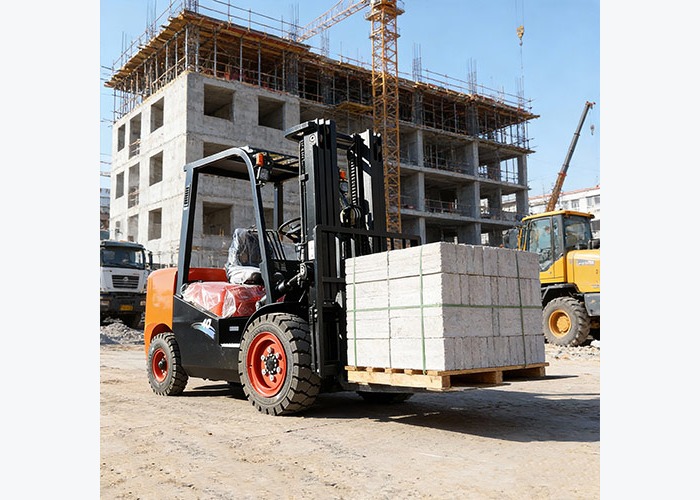
The rated capacity belongs to a specific truck configuration and stated load center, so a model label alone does not approve every pallet of the same nominal weight. This is a practical operating issue, not merely a specification detail. The OSHA powered industrial truck guidance provides useful context for the control principles behind this decision. In a real warehouse or yard, the condition should be evaluated with the truck stopped and the task clearly defined. The main risk is that a missing or unreadable plate turns a routine lift into an assumption. Supervisors should therefore compare the operator’s observation with the approved truck information, the actual load or battery condition, and the route or work area before allowing the task to continue.
A reliable check is to check the plate for rated load, load center, mast details, truck weight, and attachment notes before assigning the job. Record what was observed instead of relying on memory, because repeatable evidence makes supplier and service discussions faster. The relevant diesel forklift category can help the team connect the issue to an available machine or application path. Avoid changing several variables at once; make one controlled check, review the result, and stop if the procedure requires tools, measurements, or access reserved for trained personnel. As a decision rule, pause the assignment until the exact configuration can be confirmed. This keeps the response proportionate and prevents a temporary workaround from becoming the normal operating method.
Load center describes where the load’s center of gravity acts in front of the fork face, not simply the overall pallet length. This is a practical operating issue, not merely a specification detail. The OSHA powered industrial truck standard provides useful context for the control principles behind this decision. In a real warehouse or yard, the condition should be evaluated with the truck stopped and the task clearly defined. The main risk is that a long or front-heavy load creates more overturning force even when the scale weight is unchanged. Supervisors should therefore compare the operator’s observation with the approved truck information, the actual load or battery condition, and the route or work area before allowing the task to continue.
A reliable check is to measure the load depth in the fork direction and identify whether weight is evenly distributed or concentrated toward one end. Record what was observed instead of relying on memory, because repeatable evidence makes supplier and service discussions faster. The relevant VY-CPC25 diesel forklift can help the team connect the issue to an available machine or application path. Avoid changing several variables at once; make one controlled check, review the result, and stop if the procedure requires tools, measurements, or access reserved for trained personnel. As a decision rule, use the real center of gravity rather than automatically dividing every dimension by two. This keeps the response proportionate and prevents a temporary workaround from becoming the normal operating method.
Load moment is weight multiplied by distance, which makes it useful for understanding why capacity falls as the center moves forward. This is a practical operating issue, not merely a specification detail. The NIOSH forklift safety guidance provides useful context for the control principles behind this decision. In a real warehouse or yard, the condition should be evaluated with the truck stopped and the task clearly defined. The main risk is that a field calculation is only an estimate and cannot replace a manufacturer derating chart. Supervisors should therefore compare the operator’s observation with the approved truck information, the actual load or battery condition, and the route or work area before allowing the task to continue.
A reliable check is to compare the rated weight-times-distance value with the proposed load’s estimated moment. Record what was observed instead of relying on memory, because repeatable evidence makes supplier and service discussions faster. The relevant VY-CPC35 diesel forklift can help the team connect the issue to an available machine or application path. Avoid changing several variables at once; make one controlled check, review the result, and stop if the procedure requires tools, measurements, or access reserved for trained personnel. As a decision rule, treat any result near the limit as a reason to request formal confirmation. This keeps the response proportionate and prevents a temporary workaround from becoming the normal operating method.
Timber packs, sheet material, machinery crates, and long fabricated parts commonly place their center farther from the mast than a standard pallet. This is a practical operating issue, not merely a specification detail. The CCOHS forklift safety guidance provides useful context for the control principles behind this decision. In a real warehouse or yard, the condition should be evaluated with the truck stopped and the task clearly defined. The main risk is that lifting a long load at the truck’s nominal rating can unload the steer axle or initiate a forward tip. Supervisors should therefore compare the operator’s observation with the approved truck information, the actual load or battery condition, and the route or work area before allowing the task to continue.
A reliable check is to orient the load to shorten the front-to-back depth when the load and route allow it and keep the heavy portion toward the carriage. Record what was observed instead of relying on memory, because repeatable evidence makes supplier and service discussions faster. The relevant VY-CPC40 diesel forklift can help the team connect the issue to an available machine or application path. Avoid changing several variables at once; make one controlled check, review the result, and stop if the procedure requires tools, measurements, or access reserved for trained personnel. As a decision rule, select a higher-capacity configuration when load orientation cannot reduce the center distance. This keeps the response proportionate and prevents a temporary workaround from becoming the normal operating method.
An irregular crate can hide a center of gravity that is left, right, high, or forward of the geometric center. This is a practical operating issue, not merely a specification detail. The HSE lift-truck training guidance provides useful context for the control principles behind this decision. In a real warehouse or yard, the condition should be evaluated with the truck stopped and the task clearly defined. The main risk is that guessing from external dimensions can produce side loading, unstable forks, and poor steering control. Supervisors should therefore compare the operator’s observation with the approved truck information, the actual load or battery condition, and the route or work area before allowing the task to continue.
A reliable check is to ask the shipper for weight and center-of-gravity markings and test the pickup slowly at minimal height. Record what was observed instead of relying on memory, because repeatable evidence makes supplier and service discussions faster. The relevant VY-CPC50 diesel forklift can help the team connect the issue to an available machine or application path. Avoid changing several variables at once; make one controlled check, review the result, and stop if the procedure requires tools, measurements, or access reserved for trained personnel. As a decision rule, use engineered lifting points or a different handling method when the center cannot be established. This keeps the response proportionate and prevents a temporary workaround from becoming the normal operating method.
Sideshifters, fork positioners, clamps, rotators, and extended forks add weight and can move the effective load center forward. This is a practical operating issue, not merely a specification detail. The Safe Work Australia forklift guidance provides useful context for the control principles behind this decision. In a real warehouse or yard, the condition should be evaluated with the truck stopped and the task clearly defined. The main risk is that an attachment that improves handling convenience may also consume a meaningful part of available capacity. Supervisors should therefore compare the operator’s observation with the approved truck information, the actual load or battery condition, and the route or work area before allowing the task to continue.
A reliable check is to confirm that the attachment is included on the capacity plate and obtain a revised rating when the truck configuration changes. Record what was observed instead of relying on memory, because repeatable evidence makes supplier and service discussions faster. The relevant VY-CPC60 diesel forklift can help the team connect the issue to an available machine or application path. Avoid changing several variables at once; make one controlled check, review the result, and stop if the procedure requires tools, measurements, or access reserved for trained personnel. As a decision rule, compare attachment benefit with the derated capacity before purchase. This keeps the response proportionate and prevents a temporary workaround from becoming the normal operating method.
Capacity can decrease as the load rises because the combined center of gravity moves upward and the mast experiences greater leverage. This is a practical operating issue, not merely a specification detail. The OSHA daily forklift checklist provides useful context for the control principles behind this decision. In a real warehouse or yard, the condition should be evaluated with the truck stopped and the task clearly defined. The main risk is that a truck that can pick a pallet may not be approved to place it at the top beam. Supervisors should therefore compare the operator’s observation with the approved truck information, the actual load or battery condition, and the route or work area before allowing the task to continue.
A reliable check is to review the capacity chart at the required lift height rather than relying on the ground-level pickup rating. Record what was observed instead of relying on memory, because repeatable evidence makes supplier and service discussions faster. The relevant VY-CPC80 diesel forklift can help the team connect the issue to an available machine or application path. Avoid changing several variables at once; make one controlled check, review the result, and stop if the procedure requires tools, measurements, or access reserved for trained personnel. As a decision rule, specify actual rack height and residual capacity in the buying brief. This keeps the response proportionate and prevents a temporary workaround from becoming the normal operating method.
Forks should support the load correctly while allowing the load to sit as close to the carriage as practical. This is a practical operating issue, not merely a specification detail. The OSHA forklift load-composition guidance provides useful context for the control principles behind this decision. In a real warehouse or yard, the condition should be evaluated with the truck stopped and the task clearly defined. The main risk is that carrying a load near the tips increases center distance and reduces control. Supervisors should therefore compare the operator’s observation with the approved truck information, the actual load or battery condition, and the route or work area before allowing the task to continue.
A reliable check is to choose fork length for the pallet and place the load fully back without damaging the pallet or product. Record what was observed instead of relying on memory, because repeatable evidence makes supplier and service discussions faster. The relevant contact the VARYON team can help the team connect the issue to an available machine or application path. Avoid changing several variables at once; make one controlled check, review the result, and stop if the procedure requires tools, measurements, or access reserved for trained personnel. As a decision rule, correct the fork or pallet setup instead of compensating with faster or sharper movements. This keeps the response proportionate and prevents a temporary workaround from becoming the normal operating method.
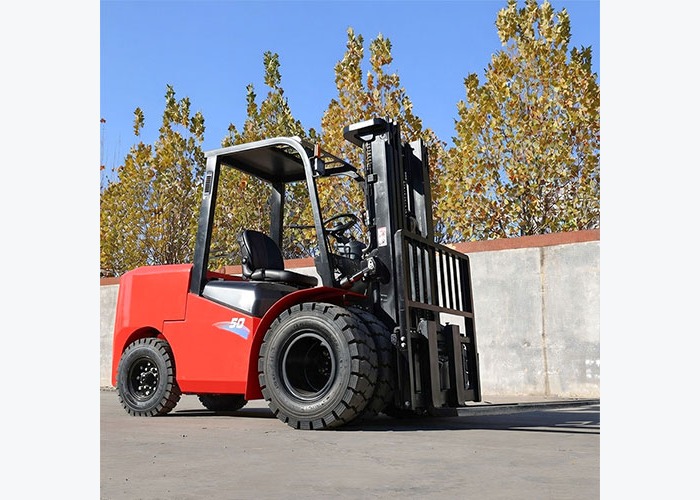
Braking, turning, ramps, potholes, and uneven yards can shift the combined center of gravity even when a static calculation looks acceptable. This is a practical operating issue, not merely a specification detail. The OSHA mast and hydraulic lift overview provides useful context for the control principles behind this decision. In a real warehouse or yard, the condition should be evaluated with the truck stopped and the task clearly defined. The main risk is that dynamic movement can push the system outside the stability triangle. Supervisors should therefore compare the operator’s observation with the approved truck information, the actual load or battery condition, and the route or work area before allowing the task to continue.
A reliable check is to carry loads low, reduce speed before turns, avoid turning on grades, and plan a smooth route for near-capacity work. Record what was observed instead of relying on memory, because repeatable evidence makes supplier and service discussions faster. The relevant diesel forklift category can help the team connect the issue to an available machine or application path. Avoid changing several variables at once; make one controlled check, review the result, and stop if the procedure requires tools, measurements, or access reserved for trained personnel. As a decision rule, build a margin for the real route rather than planning to the theoretical edge. This keeps the response proportionate and prevents a temporary workaround from becoming the normal operating method.
A useful forklift request describes the heaviest load, dimensions, center of gravity, lift height, attachment, surface, and travel pattern together. This is a practical operating issue, not merely a specification detail. The OSHA powered industrial truck guidance provides useful context for the control principles behind this decision. In a real warehouse or yard, the condition should be evaluated with the truck stopped and the task clearly defined. The main risk is that underspecified requests produce quotes that look comparable but may solve different jobs. Supervisors should therefore compare the operator’s observation with the approved truck information, the actual load or battery condition, and the route or work area before allowing the task to continue.
A reliable check is to send drawings or photographs of unusual loads and identify the worst repeatable case rather than the average pallet. Record what was observed instead of relying on memory, because repeatable evidence makes supplier and service discussions faster. The relevant VY-CPC25 diesel forklift can help the team connect the issue to an available machine or application path. Avoid changing several variables at once; make one controlled check, review the result, and stop if the procedure requires tools, measurements, or access reserved for trained personnel. As a decision rule, require written confirmation of residual capacity for the intended configuration. This keeps the response proportionate and prevents a temporary workaround from becoming the normal operating method.
Does a 5-ton diesel forklift lift every load weighing less than 5 tons? No. The rating applies at a stated load center and configuration. A longer, higher, offset, or attachment-handled load can reduce available capacity.
Can operators calculate the exact derated capacity themselves? A load-moment calculation is useful for screening, but the exact approved capacity should come from the manufacturer and the truck’s data plate or capacity chart.
Why does capacity fall at greater lift height? Raising the load moves the combined center of gravity upward and increases leverage and mast demands, so residual capacity may be lower at height.
Watch a related diesel forklift video here: https://www.youtube.com/watch?v=PQR5_ba6pAI.
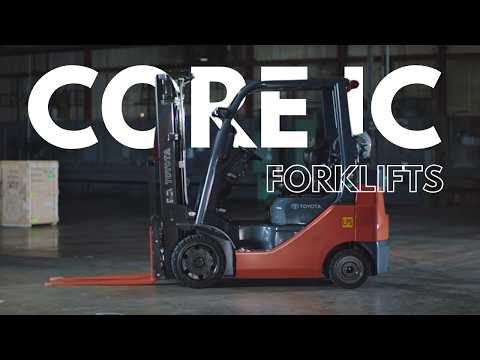
Load center is not a minor technical detail. It is the link between the load’s shape and the diesel forklift’s real capacity.
A sound decision starts with measured load information, then checks attachments, mast height, fork setup, and route conditions against the exact truck data plate. This prevents the common mistake of buying by nominal tonnage alone.
For an application review, provide VARYON with the load weight, dimensions, center-of-gravity information, lift height, attachment requirement, and route description.