Get in touch
* Your personal information is securely protected and will only be used for business communication purposes.

A side shifter is one of the most practical diesel forklift attachments because it improves lateral load positioning without forcing the whole truck to be repositioned for every small correction. That sounds simple, but the buying decision should still be disciplined. A side shifter changes the carriage package, adds weight, uses hydraulic function, and can influence effective capacity. If those factors are ignored, the attachment may solve one handling problem while quietly creating another.
This guide is written for operations teams that want a practical review before choosing a diesel forklift with a side shifter. It focuses on alignment, rack approach, mixed pallet sizes, outdoor handling, attachment effects on capacity, and the site details that turn an attachment into a real productivity gain instead of just another option on the quote sheet.
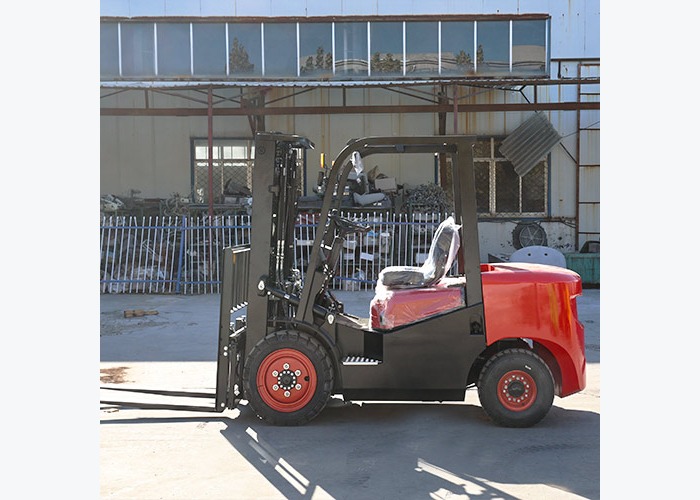
A side shifter makes the most sense when the site loses time because pallets rarely line up perfectly at rack entry, trailer edge, production line handoff, or tight staging points. This is a practical operating issue, not merely a specification detail. The OSHA powered industrial truck guidance provides useful context for the control principles behind this decision. In a real warehouse or yard, the condition should be reviewed with the actual load, route, battery routine, or placement task in mind. The main risk is that buyers often add attachments because they seem useful in theory rather than because a measurable workflow problem exists. Supervisors and buyers should therefore connect the observation to the real job pattern before assuming a standard configuration will work.
A reliable next step is to map the repeated pickup and set-down locations where operators currently make extra steering corrections or stop-and-reset movements. Record what was observed instead of relying on memory, because clear operating details make supplier discussions and internal decisions much faster. The relevant diesel forklift category can help translate the requirement into a machine option that fits the route more cleanly. Avoid solving the issue with assumptions or informal workarounds that only look acceptable in a short demonstration. As a decision rule, approve the side shifter when it clearly reduces repeated alignment waste in the actual route. That keeps the buying decision tied to the daily task rather than to a generic machine label.
The attachment gives lateral adjustment at the carriage, yet the truck still needs a stable approach, correct fork height, and a sensible entry angle to the load. This is a practical operating issue, not merely a specification detail. The OSHA powered industrial truck standard provides useful context for the control principles behind this decision. In a real warehouse or yard, the condition should be reviewed with the actual load, route, battery routine, or placement task in mind. The main risk is that expecting the attachment to fix every approach error can mask layout or training problems. Supervisors and buyers should therefore connect the observation to the real job pattern before assuming a standard configuration will work.
A reliable next step is to observe whether operators need fine side correction or whether the route itself needs better staging marks and traffic control. Record what was observed instead of relying on memory, because clear operating details make supplier discussions and internal decisions much faster. The relevant VY-CPC25 diesel forklift can help translate the requirement into a machine option that fits the route more cleanly. Avoid solving the issue with assumptions or informal workarounds that only look acceptable in a short demonstration. As a decision rule, use the side shifter to refine placement, not to excuse poor route setup. That keeps the buying decision tied to the daily task rather than to a generic machine label.
Sites that handle uneven pallet build, imperfect trailer placement, and variable product footprints often gain more from side shift than highly standardized lines do. This is a practical operating issue, not merely a specification detail. The OSHA forklift load-composition guidance provides useful context for the control principles behind this decision. In a real warehouse or yard, the condition should be reviewed with the actual load, route, battery routine, or placement task in mind. The main risk is that an attachment selected for occasional awkward pallets may see little real use if the everyday work is already standardized. Supervisors and buyers should therefore connect the observation to the real job pattern before assuming a standard configuration will work.
A reliable next step is to list the load types that create the most re-centering effort and note whether the issue appears at pickup, transport handoff, or final placement. Record what was observed instead of relying on memory, because clear operating details make supplier discussions and internal decisions much faster. The relevant VY-CPC35 diesel forklift can help translate the requirement into a machine option that fits the route more cleanly. Avoid solving the issue with assumptions or informal workarounds that only look acceptable in a short demonstration. As a decision rule, tie the attachment choice to the loads that truly dominate the shift. That keeps the buying decision tied to the daily task rather than to a generic machine label.
A side shifter can save time at the final inches of placement when rack clearances are tight or when trailer floor conditions make perfect initial alignment harder. This is a practical operating issue, not merely a specification detail. The OSHA mast and hydraulic lift overview provides useful context for the control principles behind this decision. In a real warehouse or yard, the condition should be reviewed with the actual load, route, battery routine, or placement task in mind. The main risk is that small contact errors at the rack face or trailer entry can turn into pallet damage, bent packaging, and lost time. Supervisors and buyers should therefore connect the observation to the real job pattern before assuming a standard configuration will work.
A reliable next step is to review approach width, pallet overhang, rack protection, and whether trailer or container work creates repeated last-second corrections. Record what was observed instead of relying on memory, because clear operating details make supplier discussions and internal decisions much faster. The relevant VY-CPC40 diesel forklift can help translate the requirement into a machine option that fits the route more cleanly. Avoid solving the issue with assumptions or informal workarounds that only look acceptable in a short demonstration. As a decision rule, choose the side shifter when the route requires fine placement more often than brute push-and-go handling. That keeps the buying decision tied to the daily task rather than to a generic machine label.
Every attachment changes the front-end package, and a side shifter is no exception even when it looks modest compared with clamps or rotators. This is a practical operating issue, not merely a specification detail. The NIOSH forklift safety guidance provides useful context for the control principles behind this decision. In a real warehouse or yard, the condition should be reviewed with the actual load, route, battery routine, or placement task in mind. The main risk is that teams often assume a familiar truck keeps its original rating once an attachment is added. Supervisors and buyers should therefore connect the observation to the real job pattern before assuming a standard configuration will work.
A reliable next step is to ask for the rated capacity with the exact side shifter installed and compare it with the heaviest routine load at the real load center. Record what was observed instead of relying on memory, because clear operating details make supplier discussions and internal decisions much faster. The relevant VY-CPC50 diesel forklift can help translate the requirement into a machine option that fits the route more cleanly. Avoid solving the issue with assumptions or informal workarounds that only look acceptable in a short demonstration. As a decision rule, treat the attached truck as a new configuration that needs its own capacity confirmation. That keeps the buying decision tied to the daily task rather than to a generic machine label.
The attachment must be matched to the truck’s hydraulic circuit, hose routing, service access, and daily inspection routine to stay reliable in real use. This is a practical operating issue, not merely a specification detail. The CCOHS forklift safety guidance provides useful context for the control principles behind this decision. In a real warehouse or yard, the condition should be reviewed with the actual load, route, battery routine, or placement task in mind. The main risk is that an attachment that is awkward to inspect can drift into leakage, poor response, or avoidable downtime. Supervisors and buyers should therefore connect the observation to the real job pattern before assuming a standard configuration will work.
A reliable next step is to confirm the auxiliary hydraulic requirement, hose protection, and whether the site can inspect fittings and wear points consistently. Record what was observed instead of relying on memory, because clear operating details make supplier discussions and internal decisions much faster. The relevant VY-CPC60 diesel forklift can help translate the requirement into a machine option that fits the route more cleanly. Avoid solving the issue with assumptions or informal workarounds that only look acceptable in a short demonstration. As a decision rule, include maintenance access in the buying decision instead of treating it as a service issue for later. That keeps the buying decision tied to the daily task rather than to a generic machine label.
When the route includes outdoor transfer, imperfect pallet landing, and variable trailer or apron conditions, lateral correction can become even more valuable. This is a practical operating issue, not merely a specification detail. The HSE lift-truck training guidance provides useful context for the control principles behind this decision. In a real warehouse or yard, the condition should be reviewed with the actual load, route, battery routine, or placement task in mind. The main risk is that a useful attachment can still be misused if operators start relying on it while approaching too quickly on poor surfaces. Supervisors and buyers should therefore connect the observation to the real job pattern before assuming a standard configuration will work.
A reliable next step is to compare the truck’s daily surface conditions and determine whether the side shifter reduces repositioning without encouraging rushed handling. Record what was observed instead of relying on memory, because clear operating details make supplier discussions and internal decisions much faster. The relevant factory material handling solutions can help translate the requirement into a machine option that fits the route more cleanly. Avoid solving the issue with assumptions or informal workarounds that only look acceptable in a short demonstration. As a decision rule, combine the attachment with route discipline and speed control rather than with looser operating habits. That keeps the buying decision tied to the daily task rather than to a generic machine label.
A side shifter becomes productive only when operators understand when to use it for small corrections and when to stop and reset the truck fully. This is a practical operating issue, not merely a specification detail. The Wikipedia overview of forklift trucks provides useful context for the control principles behind this decision. In a real warehouse or yard, the condition should be reviewed with the actual load, route, battery routine, or placement task in mind. The main risk is that unstructured use can create unnecessary fork movement, confusion at rack entry, and inconsistent handling quality. Supervisors and buyers should therefore connect the observation to the real job pattern before assuming a standard configuration will work.
A reliable next step is to define simple usage rules for alignment, visibility, and load stability rather than letting each shift invent its own method. Record what was observed instead of relying on memory, because clear operating details make supplier discussions and internal decisions much faster. The relevant contact the VARYON team can help translate the requirement into a machine option that fits the route more cleanly. Avoid solving the issue with assumptions or informal workarounds that only look acceptable in a short demonstration. As a decision rule, support the attachment with a short training routine so the gain is repeatable. That keeps the buying decision tied to the daily task rather than to a generic machine label.
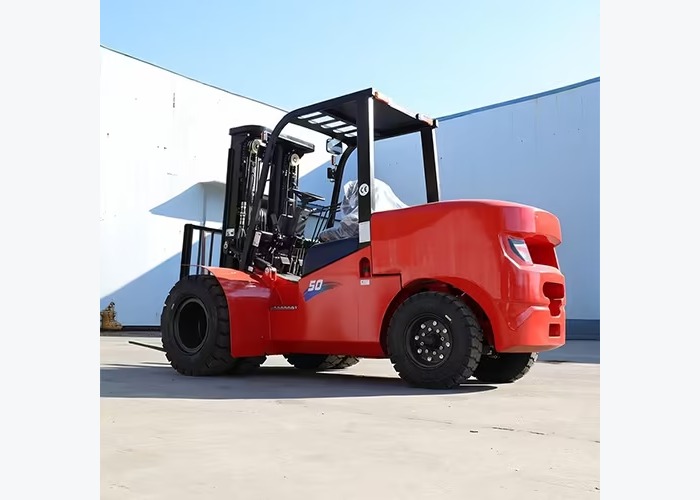
A side shifter rarely changes one dramatic lift; it improves hundreds of minor adjustments that accumulate across a shift. This is a practical operating issue, not merely a specification detail. The OSHA powered industrial truck guidance provides useful context for the control principles behind this decision. In a real warehouse or yard, the condition should be reviewed with the actual load, route, battery routine, or placement task in mind. The main risk is that because the time savings are small per cycle, teams may undervalue them and miss the real productivity gain. Supervisors and buyers should therefore connect the observation to the real job pattern before assuming a standard configuration will work.
A reliable next step is to measure time loss from repeated re-approach, steering correction, pallet rub, and rack hesitation before and after a trial. Record what was observed instead of relying on memory, because clear operating details make supplier discussions and internal decisions much faster. The relevant diesel forklift category can help translate the requirement into a machine option that fits the route more cleanly. Avoid solving the issue with assumptions or informal workarounds that only look acceptable in a short demonstration. As a decision rule, judge the attachment by total cycle improvement across the route rather than by one demonstration pick. That keeps the buying decision tied to the daily task rather than to a generic machine label.
Suppliers can recommend the right truck-and-attachment package only when the request includes load type, route width, rack conditions, and the reason side shift is being considered. This is a practical operating issue, not merely a specification detail. The OSHA powered industrial truck standard provides useful context for the control principles behind this decision. In a real warehouse or yard, the condition should be reviewed with the actual load, route, battery routine, or placement task in mind. The main risk is that generic quote requests often produce attachment pricing without enough context to confirm the final fit. Supervisors and buyers should therefore connect the observation to the real job pattern before assuming a standard configuration will work.
A reliable next step is to send pallet photos, route notes, load dimensions, and any residual capacity requirement with the attachment inquiry. Record what was observed instead of relying on memory, because clear operating details make supplier discussions and internal decisions much faster. The relevant VY-CPC25 diesel forklift can help translate the requirement into a machine option that fits the route more cleanly. Avoid solving the issue with assumptions or informal workarounds that only look acceptable in a short demonstration. As a decision rule, request a recommendation tied to the actual handling problem instead of the attachment label alone. That keeps the buying decision tied to the daily task rather than to a generic machine label.
Does a side shifter make every diesel forklift automatically better? No. It is most valuable when the route regularly needs fine load positioning. If the workflow is already standardized and open, the gain may be limited.
Can a side shifter reduce forklift capacity? Yes. Attachment weight and forward offset can reduce available capacity, so the truck should be rated with the attachment installed.
Is a side shifter mainly for warehouses? It is common in warehouses, but it can also help in trailer loading, yard staging, and production areas where repeated load alignment matters.
Watch a related diesel forklift video here: https://www.youtube.com/watch?v=Pn4j5k7LRQI.

A diesel forklift with side shifter is most effective when the site has a real alignment problem to solve, not just a desire to add features.
The correct decision comes from reviewing pallet variation, route width, rack or trailer approach, attachment effect on capacity, and the site’s ability to inspect and use the attachment consistently.
For a more precise recommendation, send VARYON the pallet dimensions, residual capacity requirement, route photos, and the exact handling points where alignment loss occurs.