Get in touch
* Your personal information is securely protected and will only be used for business communication purposes.

Electric Forklift Buying Guide for Indoor Warehouses and Mixed-Shift Work is written for warehouse managers comparing lithium power, charging windows, aisle width, lift height, and mixed-shift utilization. A good purchase or maintenance plan should feel practical on the floor, not abstract in a brochure. That means checking the machine against the way pallets actually move, the condition of the floor, the operator’s daily routine, and the service support available after delivery.
For electric forklift buyers, the central rule is simple: the best electric forklift is the one that matches duty cycle, charger access, floor condition, capacity reserve, and service support at the same time. The sections below turn that rule into a field-ready checklist you can use before purchase, before commissioning, and during daily operation.
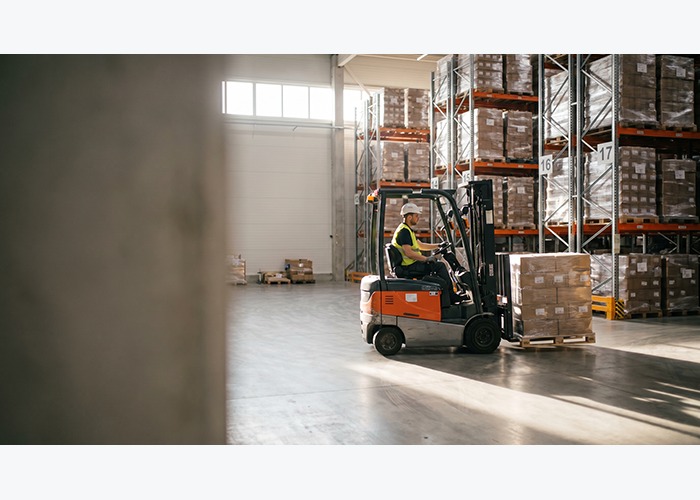
The first mistake many teams make is selecting equipment from capacity alone. Rated capacity matters, but it only becomes useful when it is matched with pallet size, load center, travel route, turning space, ramp angle, doorway height, and how often the machine works near pedestrians. Before comparing models, map the five busiest routes in the facility and record the heaviest common load, the tallest lift, and the tightest turn. This creates a practical baseline instead of a guess.
If your application involves receiving, staging, and repetitive pallet movement, compare the route against VY-CPD15 electric forklift and related VARYON models. If the site changes by season, document the worst month rather than the easiest one. Dust, wet concrete, cold storage doors, dock plates, and uneven yards all change the correct specification.
Safety guidance from OSHA powered industrial trucks requirements and the OSHA 1910.178 powered industrial trucks standard standard is useful here because it reinforces that a powered industrial truck must be used within its design limits. The right model should make compliant operation easier, not depend on operators compensating for poor fit all day.
A daily inspection should be short enough to complete consistently and detailed enough to catch problems before the first loaded run. Operators should walk around the machine, look for leaks or damaged components, check tire condition, inspect forks and mast chains, test steering and service brakes, confirm the horn and travel alarm, and make sure the data plate remains readable. Any defect that affects safe use should stop the truck until a qualified person reviews it.
For electric forklift work, pay special attention to the items that fail quietly: fork heel cracks, stretched chains, loose battery or fuel connections, damaged load backrests, soft brake pedals, hydraulic seepage around cylinders, and tires worn unevenly from repeated tight turning. These issues may seem minor during an empty test drive but become serious when the truck lifts near rated capacity.
Use NIOSH forklift safety guidance and CCOHS forklift truck safety as neutral references when building your own inspection sheet. They both emphasize practical hazard control rather than paperwork for its own sake. A checklist only works when it is tied to a clear decision: operate, report, repair, or remove from service.
Rated capacity is usually listed at a standard load center, but real loads are not always neat cubes. Long crates, machinery parts, stacked cartons, and wrapped pallets can push the center of gravity forward. When that happens, the truck may need a higher rated capacity than the pallet weight suggests. Buyers should ask for a capacity chart and confirm the rating at the actual lift height and attachment setup.
This is where a short consultation can prevent expensive mismatch. Reviewing the job with VY-CPD20 electric forklift or a nearby model gives the supplier enough context to recommend mast type, fork length, tire type, and any attachment allowance. If the operation handles several load families, record the most demanding common load and the most awkward occasional load separately.
A stable truck is not only a stronger truck. Stability also depends on speed control, braking distance, floor condition, operator visibility, and whether loads are carried low during travel. Training guidance from HSE lift-truck training guidance is helpful because it connects equipment selection with operator behavior, supervision, and route control.
Power planning should be treated as part of the equipment specification. A machine that is technically correct but cannot complete the working day without awkward interruptions will create hidden costs. For battery equipment, confirm charger location, available power, cooling, battery chemistry, opportunity charging policy, and who is responsible for connector checks. For combustion equipment, confirm fuel storage, ventilation, and routine service access.
The right plan protects uptime. A warehouse using VY-CPD35 electric forklift or another model should document operating hours, peak travel periods, lunch or shift-change windows, and whether the truck can charge or refuel without blocking a main aisle. If the work is seasonal, plan for the busiest week, not the average week.
Teams often compare only purchase price, but downtime, tires, batteries, fuel, filters, preventive maintenance, and operator fatigue all influence ownership cost. The neutral overview at Wikipedia overview of forklift trucks is a useful reminder that forklift types exist for different environments and should not be treated as interchangeable.
Broader safety references such as Safe Work Australia forklift guidance and Ontario powered lift truck safety guideline are useful when buyers need to align equipment choice with formal workplace expectations. They also help procurement teams ask better questions about operator training, traffic routes, load control, and maintenance responsibility before the first machine arrives.
Preventive maintenance works best when it follows both hours and conditions. A clean indoor warehouse may need a different rhythm than a dusty yard or a high-throughput dock. Create three layers: daily operator checks, weekly supervisor review, and scheduled technician service. The daily layer catches obvious safety issues, the weekly layer spots trends, and the technician layer handles adjustment, lubrication, diagnostics, and wear measurement.
For a growing fleet, connect each truck to a simple log: hours, defects, repairs, tire changes, battery or fuel issues, and recurring operator comments. Patterns matter. Repeated brake adjustments may point to route design, not just parts wear. Frequent fork damage may point to pallet quality or rushed dock work. This is why equipment choice and site discipline need to work together.
Internal resources such as the VY-CPD40 electric forklift and VY-CPD10 electric forklift can help align model selection with facility layout. A service schedule becomes far more effective when the truck was chosen for the real job in the first place.
For model comparison, it is also worth checking VY-CPD30 electric forklift truck and products overview against the same route map. Looking at several nearby configurations helps buyers avoid overfitting the decision to one load while ignoring travel distance, lift height, tire wear, and future expansion.
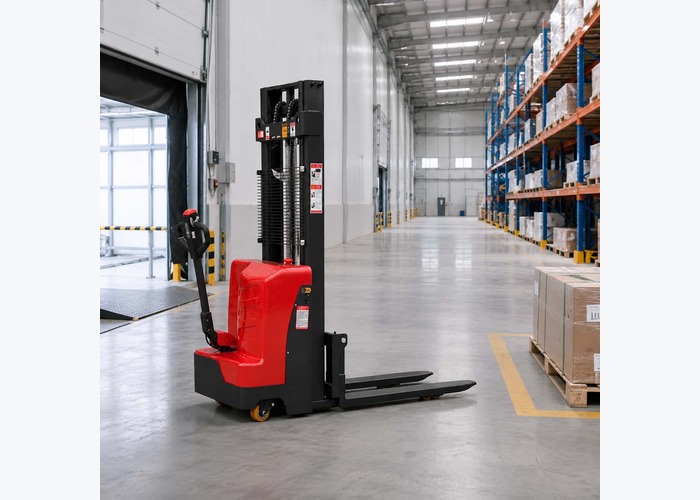
Even the right machine can be unsafe in a poorly controlled route. Mark pedestrian areas, define right-of-way rules, separate loading and walking paths where possible, and make sure operators know when to slow, sound the horn, lower the load, and stop for blind intersections. Supervisors should observe actual driving behavior, not only collect signed training records.
Good training also teaches operators what the machine feels like when something is wrong. Changes in steering effort, brake response, mast noise, fork carriage movement, unusual vibration, or battery/fuel behavior deserve attention. Operators who are encouraged to report small changes usually prevent larger failures.
For configuration questions, VY-CPD25 electric forklift is the right next step because the safest recommendation depends on the site. Two warehouses can handle the same pallet weight and still need different equipment because aisle width, lift height, floor condition, route length, and shift pattern are different.
Workplace transport guidance from UK workplace transport safety adds another useful layer: equipment choice should be supported by route design, supervision, and pedestrian separation. This is especially important in facilities where loading docks, production aisles, and storage zones share the same traffic space.
Once these details are written down, a supplier can recommend a model with fewer assumptions. It also becomes easier to compare quotations fairly, because each offer can be checked against the same working conditions instead of vague capacity claims.
Do not buy solely from headline capacity, do not ignore the load center, do not assume every aisle can accept the same turning radius, and do not treat operator comfort as a luxury. Fatigue affects accuracy, and accuracy affects product damage, rack damage, and near misses. A practical equipment decision should reduce the number of small compromises operators make during every shift.
Another common mistake is delaying maintenance until a truck fails during production. A better approach is to schedule service before the busy period, stock simple wear items, and use inspection logs to spot repeat issues. This keeps the machine available when orders, containers, or production schedules are already under pressure.
When two models look similar, compare them with a job-based scorecard instead of a brochure checklist. Give each model a simple rating for load fit, aisle fit, lift height, operator visibility, service access, energy or fuel planning, tire suitability, and supplier support. A model that wins on rated capacity but loses on aisle comfort or charging access may create more friction than a slightly different configuration. The goal is not to select the most impressive specification; the goal is to select the machine that will be used correctly every day.
Ask the supplier to explain any assumptions behind the recommendation. For example, a quotation should clarify the load center used for the capacity rating, whether an attachment changes residual capacity, what mast height is being quoted, what tire type is included, and what maintenance items are expected during the first year. Clear answers make it easier for purchasing, operations, and safety teams to approve the same plan.
When buyers need a broader comparison set, warehouse logistics solutions can help connect the article checklist with the rest of the product range. That extra step is useful when a facility may need more than one machine type, such as a counterbalance forklift for dock work and a smaller unit for internal pallet staging.
It also helps to separate must-have requirements from preferences. Must-have items include safe capacity at the required height, route clearance, braking performance, and local service support. Preferences may include dashboard layout, paint color, accessory packages, or optional comfort features. This distinction keeps the buying process focused when several departments are involved.
Delivery is not the end of the selection process. Before the machine enters normal work, confirm that the data plate matches the order, the forks and mast match the application, the charger or fuel plan is ready, and operators have been briefed on the controls. A short commissioning checklist should include a low-speed route test, an unloaded lift test, a controlled loaded lift, a brake check, a steering check, and a review of parking and charging or refueling rules.
During the first week, supervisors should watch the machine in real use. Are operators slowing more than expected in tight corners? Are loads blocking visibility? Is the truck waiting for charging, fuel, or access to a dock? Does the selected model travel smoothly over the worst floor section? These observations often reveal small changes that improve safety and productivity without replacing the equipment.
Keep the first-week notes with the maintenance record. They become useful later when the fleet grows, because they show which assumptions were correct and which details should be changed on the next purchase. A good handover turns one equipment order into a stronger long-term fleet standard.
Manual handling references such as Canadian Centre for Occupational Health and Safety materials handling are also worth considering because poor pallet flow often creates unnecessary lifting, pushing, pulling, or rework around the machine. The correct truck can reduce these small manual tasks, but only if the route and storage plan are designed together.
How much capacity reserve should I plan? The answer depends on load center, lift height, attachment use, and floor condition. As a practical rule, avoid choosing a truck that will spend most of its life at the edge of its rating. A modest reserve gives operators more stable handling and gives managers more flexibility when pallet weights vary.
Should I prioritize price or service support? Purchase price matters, but support determines uptime. A lower initial price can become expensive if parts are difficult to source, if technicians are unavailable, or if the model does not match the route. Ask about spare parts, response expectations, documentation, and maintenance training before the purchase order is signed.
When should I replace instead of repair? Replacement becomes worth evaluating when downtime is frequent, safety-related repairs repeat, the truck no longer fits the application, or the total cost of keeping it running approaches the cost of a better-suited machine. The cleanest decision comes from maintenance logs, not memory.
How should training be documented? Training should match the machine type and working environment. The OSHA forklift operator training topic resource is a useful neutral reference for building a training record that covers authorization, practical operation, site hazards, and refresher needs.
The best electric forklift choice is not the largest or the cheapest model. It is the machine that fits the load, the route, the operator, the maintenance plan, and the business case. Start with the working environment, confirm the safety requirements, document the shift pattern, and then compare models against facts from the floor.
When you are ready to refine the specification, share the checklist with VARYON and request a model recommendation that reflects your real pallets, aisles, lift height, and operating schedule. That approach produces a safer machine, a cleaner handover, and a fleet plan that is easier to maintain over time.