Get in touch
* Your personal information is securely protected and will only be used for business communication purposes.

A 1.5 ton electric stacker is often the right answer when a warehouse needs powered lift and compact pallet handling without stepping up to a larger forklift class. It fits a common operational gap: more capable than manual handling, easier to justify than a counterbalance truck for controlled indoor routes, and well suited to narrow aisles, replenishment tasks, and repeated pallet placement. That convenience, however, can hide the real specification work. If lift height, route length, pallet condition, or charging responsibility are left vague, the stacker that looked efficient in a short demo can become the source of daily workarounds.
This guide is written for warehouse operators, procurement teams, and dealers who want a practical way to evaluate a 1.5 ton electric stacker against real pallet routes. It focuses on lift height, residual capacity, turning space, battery routine, and route rhythm so the truck can be judged by actual warehouse behavior instead of a simple capacity label. The aim is to help buyers match the machine to the route that repeats every day, not just to the narrowest budget target.
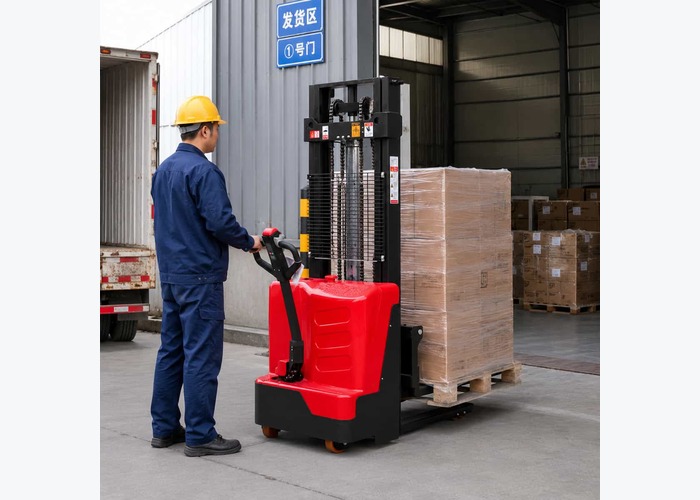
A 1.5 ton electric stacker should first be judged by where the pallet must finally go because lift-and-place requirements define the machine far more than a simple travel description. This is a practical operating issue, not merely a specification detail. The OSHA powered industrial truck guidance provides useful context for the control principles behind this decision. In a real warehouse or yard, the condition should be reviewed with the actual load, route, battery routine, or placement task in mind. The main risk is that buyers may choose a stacker that travels comfortably but loses confidence or residual capacity at the exact point where the route ends. Supervisors and buyers should therefore connect the observation to the real job pattern before assuming a standard configuration will work.
A reliable next step is to measure the highest real pallet position and confirm how often that top lift occurs during the normal shift. Record what was observed instead of relying on memory, because clear operating details make supplier discussions and internal decisions much faster. The relevant stacker category can help translate the requirement into a machine option that fits the route more cleanly. Avoid solving the issue with assumptions or informal workarounds that only look acceptable in a short demonstration. As a decision rule, define the placement requirement first and then confirm whether the same machine still fits the rest of the route. That keeps the buying decision tied to the daily task rather than to a generic machine label.
A stacker can look sufficient at floor level while behaving very differently once the everyday pallet is raised to the real storage level. This is a practical operating issue, not merely a specification detail. The OSHA powered industrial truck standard provides useful context for the control principles behind this decision. In a real warehouse or yard, the condition should be reviewed with the actual load, route, battery routine, or placement task in mind. The main risk is that teams often focus on nominal capacity and overlook how the routine pallet feels at upper placement height. Supervisors and buyers should therefore connect the observation to the real job pattern before assuming a standard configuration will work.
A reliable next step is to review the heaviest repeatable pallet together with the actual lift height instead of treating weight and height as separate decisions. Record what was observed instead of relying on memory, because clear operating details make supplier discussions and internal decisions much faster. The relevant walkie stacker CDD-15 can help translate the requirement into a machine option that fits the route more cleanly. Avoid solving the issue with assumptions or informal workarounds that only look acceptable in a short demonstration. As a decision rule, match the stacker to the real pallet at the real storage point rather than to a brochure peak figure. That keeps the buying decision tied to the daily task rather than to a generic machine label.
Even a compact 1.5 ton electric stacker should be chosen around the real aisle and turning pattern rather than the assumption that smaller always means suitable. This is a practical operating issue, not merely a specification detail. The CCOHS manual materials handling guidance provides useful context for the control principles behind this decision. In a real warehouse or yard, the condition should be reviewed with the actual load, route, battery routine, or placement task in mind. The main risk is that warehouse layouts may look workable until pallets, guards, and waiting stock shrink the usable space during live operation. Supervisors and buyers should therefore connect the observation to the real job pattern before assuming a standard configuration will work.
A reliable next step is to measure the narrowest loaded turn, rack-end recovery space, and any corner or column interference on the route. Record what was observed instead of relying on memory, because clear operating details make supplier discussions and internal decisions much faster. The relevant walkie stacker CDD-20 can help translate the requirement into a machine option that fits the route more cleanly. Avoid solving the issue with assumptions or informal workarounds that only look acceptable in a short demonstration. As a decision rule, base the choice on loaded movement in the actual aisle instead of an empty-floor impression. That keeps the buying decision tied to the daily task rather than to a generic machine label.
A 1.5 ton electric stacker is usually happiest on controlled warehouse routes, but travel distance still changes how efficient and comfortable the machine feels during a shift. This is a practical operating issue, not merely a specification detail. The CCOHS forklift truck safety provides useful context for the control principles behind this decision. In a real warehouse or yard, the condition should be reviewed with the actual load, route, battery routine, or placement task in mind. The main risk is that a stacker that works well in a compact bay can feel slow or tiring if the route expands across several zones. Supervisors and buyers should therefore connect the observation to the real job pattern before assuming a standard configuration will work.
A reliable next step is to map the longest repeatable route and compare how much of the shift is spent traveling versus lifting near the rack. Record what was observed instead of relying on memory, because clear operating details make supplier discussions and internal decisions much faster. The relevant stand-on stacker CZD-15 can help translate the requirement into a machine option that fits the route more cleanly. Avoid solving the issue with assumptions or informal workarounds that only look acceptable in a short demonstration. As a decision rule, choose the operating pattern around the route rhythm and not only around the entry price. That keeps the buying decision tied to the daily task rather than to a generic machine label.
A compact warehouse truck still depends on a clear charging routine because shared-use equipment quickly becomes unreliable when plug-in responsibility is vague. This is a practical operating issue, not merely a specification detail. The HSE workplace transport guidance provides useful context for the control principles behind this decision. In a real warehouse or yard, the condition should be reviewed with the actual load, route, battery routine, or placement task in mind. The main risk is that small warehouse equipment is often treated casually and then left undercharged or inconsistently prepared for the next team. Supervisors and buyers should therefore connect the observation to the real job pattern before assuming a standard configuration will work.
A reliable next step is to set when the stacker is plugged in, who checks battery state, and how users report faults before the machine arrives. Record what was observed instead of relying on memory, because clear operating details make supplier discussions and internal decisions much faster. The relevant stand-on stacker CZD-20 can help translate the requirement into a machine option that fits the route more cleanly. Avoid solving the issue with assumptions or informal workarounds that only look acceptable in a short demonstration. As a decision rule, give the stacker a simple battery routine from day one so availability stays predictable. That keeps the buying decision tied to the daily task rather than to a generic machine label.
A 1.5 ton electric stacker performs best when pallets enter cleanly and predictably, which means pallet condition should be part of the machine decision. This is a practical operating issue, not merely a specification detail. The NIOSH forklift safety guidance provides useful context for the control principles behind this decision. In a real warehouse or yard, the condition should be reviewed with the actual load, route, battery routine, or placement task in mind. The main risk is that buyers may blame the stacker when the real difficulty comes from poor pallets or awkward entry conditions. Supervisors and buyers should therefore connect the observation to the real job pattern before assuming a standard configuration will work.
A reliable next step is to inspect pallet type, pallet damage, and pickup geometry before choosing fork arrangement and operating expectations. Record what was observed instead of relying on memory, because clear operating details make supplier discussions and internal decisions much faster. The relevant warehousing and logistics solutions can help translate the requirement into a machine option that fits the route more cleanly. Avoid solving the issue with assumptions or informal workarounds that only look acceptable in a short demonstration. As a decision rule, review pallet quality as part of machine selection instead of as a separate warehouse complaint. That keeps the buying decision tied to the daily task rather than to a generic machine label.
Warehouse routes are not always perfectly smooth, and thresholds, dock plates, slopes, and joints can decide whether a stacker remains the right tool. This is a practical operating issue, not merely a specification detail. The Wikipedia pallet jack overview provides useful context for the control principles behind this decision. In a real warehouse or yard, the condition should be reviewed with the actual load, route, battery routine, or placement task in mind. The main risk is that a stacker may be technically capable yet still feel inefficient if the floor repeatedly disrupts load control or travel confidence. Supervisors and buyers should therefore connect the observation to the real job pattern before assuming a standard configuration will work.
A reliable next step is to walk the route and mark every threshold, slope, and floor defect the stacker must cross under the routine load. Record what was observed instead of relying on memory, because clear operating details make supplier discussions and internal decisions much faster. The relevant products overview can help translate the requirement into a machine option that fits the route more cleanly. Avoid solving the issue with assumptions or informal workarounds that only look acceptable in a short demonstration. As a decision rule, keep the stacker inside a route environment it can handle predictably every day. That keeps the buying decision tied to the daily task rather than to a generic machine label.
Electric stackers often serve several people, which means parking style, charge connection, and fault reporting need to be shared habits rather than personal preferences. This is a practical operating issue, not merely a specification detail. The Wikipedia forklift overview provides useful context for the control principles behind this decision. In a real warehouse or yard, the condition should be reviewed with the actual load, route, battery routine, or placement task in mind. The main risk is that without a simple handover rule, small issues remain invisible until the next shift loses time at the first pallet. Supervisors and buyers should therefore connect the observation to the real job pattern before assuming a standard configuration will work.
A reliable next step is to post a short handover routine covering parking position, battery status, visual checks, and what to report before the next operator takes over. Record what was observed instead of relying on memory, because clear operating details make supplier discussions and internal decisions much faster. The relevant contact VARYON for stacker planning can help translate the requirement into a machine option that fits the route more cleanly. Avoid solving the issue with assumptions or informal workarounds that only look acceptable in a short demonstration. As a decision rule, treat handover discipline as part of productivity and not merely as housekeeping. That keeps the buying decision tied to the daily task rather than to a generic machine label.
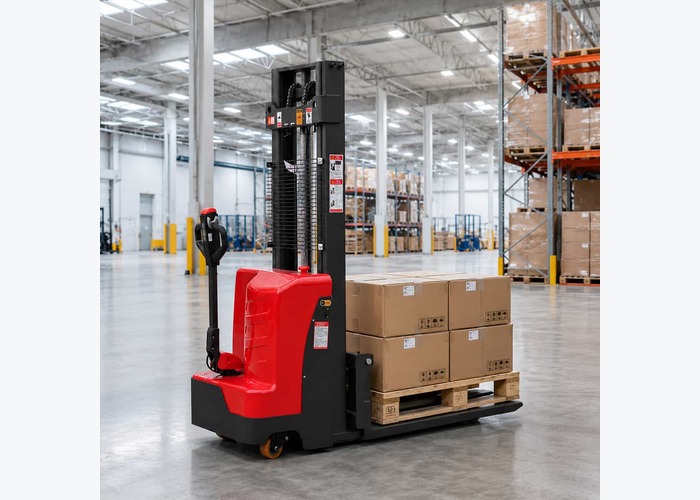
A warehouse expecting more cycles, more lift height, or broader route coverage within the next year should account for that growth while choosing the stacker now. This is a practical operating issue, not merely a specification detail. The OSHA powered industrial truck guidance provides useful context for the control principles behind this decision. In a real warehouse or yard, the condition should be reviewed with the actual load, route, battery routine, or placement task in mind. The main risk is that a stacker chosen only for the smallest current case can become limiting soon after commissioning. Supervisors and buyers should therefore connect the observation to the real job pattern before assuming a standard configuration will work.
A reliable next step is to ask whether route length, staffing pattern, or storage density is likely to expand soon and compare that plan against today’s machine choice. Record what was observed instead of relying on memory, because clear operating details make supplier discussions and internal decisions much faster. The relevant stacker category can help translate the requirement into a machine option that fits the route more cleanly. Avoid solving the issue with assumptions or informal workarounds that only look acceptable in a short demonstration. As a decision rule, balance current fit with the most probable near-term workload increase. That keeps the buying decision tied to the daily task rather than to a generic machine label.
Suppliers recommend a 1.5 ton electric stacker more accurately when the request includes real rack, route, pallet, and charging conditions instead of a general request for a low-cost unit. This is a practical operating issue, not merely a specification detail. The OSHA powered industrial truck standard provides useful context for the control principles behind this decision. In a real warehouse or yard, the condition should be reviewed with the actual load, route, battery routine, or placement task in mind. The main risk is that short RFQs often produce offers that look comparable while solving different warehouse problems. Supervisors and buyers should therefore connect the observation to the real job pattern before assuming a standard configuration will work.
A reliable next step is to send lift height, aisle width, pallet size, route length, floor notes, and charging expectations with the inquiry. Record what was observed instead of relying on memory, because clear operating details make supplier discussions and internal decisions much faster. The relevant walkie stacker CDD-15 can help translate the requirement into a machine option that fits the route more cleanly. Avoid solving the issue with assumptions or informal workarounds that only look acceptable in a short demonstration. As a decision rule, describe the route clearly so the recommendation is tied to actual stacker work and not to assumptions. That keeps the buying decision tied to the daily task rather than to a generic machine label.
When is a 1.5 ton electric stacker the right fit? It is usually the right fit when the warehouse needs compact powered pallet handling in controlled aisles and at moderate route length without the broader travel demands of a forklift.
Why is working-height review so important on a 1.5 ton electric stacker? Because the stacker is ultimately defined by where the pallet must be placed, and upper placement can change both residual capacity and operator confidence.
Does a small electric stacker still need a formal charging routine? Yes. Even in small warehouses, shared-use stackers lose availability quickly if charging responsibility and handover rules remain vague.
Watch a related stacker video here: https://www.youtube.com/watch?v=ROqFgDITLnw.
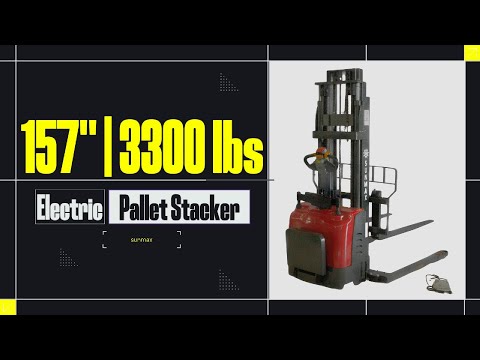
A 1.5 ton electric stacker works best when lift height, pallet condition, route length, and battery routine are reviewed as one connected warehouse system instead of as isolated details.
The most reliable buying result usually comes from defining the final placement point first and then checking whether the same machine still fits the aisle, floor, and charging pattern around it. When those conditions line up, a 1.5 ton electric stacker can provide efficient pallet handling without forcing the warehouse into a larger truck than it really needs.
For a more accurate recommendation, send VARYON your rack height, pallet size, route notes, floor conditions, and charging routine before finalizing the 1.5 ton electric stacker configuration.