Get in touch
* Your personal information is securely protected and will only be used for business communication purposes.

A 3 ton diesel forklift sits in the range that many factories, outdoor yards, and export warehouses consider first because it can cover mixed pallet handling without immediately moving into a much larger truck class. The problem is that buyers often treat 3 ton as a universal answer, then discover that mast height, attachment choice, ramp use, container loading, and route condition change how useful that truck really is in day-to-day work.
This guide is written for practical selection rather than catalog browsing. It focuses on the work pattern behind the purchase: the heaviest repeatable load, the narrowest route point, the highest placement, the roughest surface, and the busiest shift. When those details are reviewed early, a 3 ton diesel forklift can be specified with much less guesswork and far fewer expensive revisions after delivery.
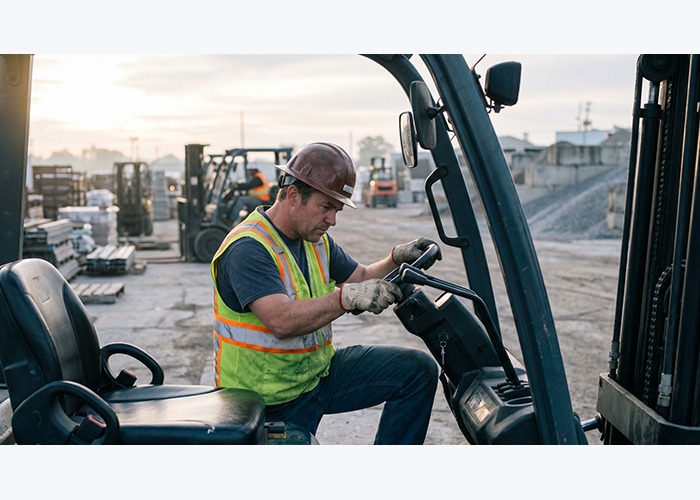
A 3 ton diesel forklift is often the first serious counterbalance option because it balances useful capacity with a footprint that still fits many factory and yard operations. This is a practical operating issue, not merely a specification detail. The OSHA powered industrial truck guidance helps frame why the condition matters in real use, especially when buyers try to judge the machine only by catalog shorthand. In a working warehouse or yard, the topic should be reviewed with the actual load, route, and operator routine in mind. The main risk is that a truck that looks broadly suitable can still become undersized or awkward once the route includes longer loads or harsher outdoor movement. Supervisors and buyers should therefore connect the observation to the real job pattern before assuming a standard configuration will work.
A reliable next step is to compare the actual pallet weights, load centers, and daily route demands before assuming the 3 ton class is automatically sufficient. Record what was observed instead of relying on memory, because clear operating details make supplier discussions and internal decisions much faster. The relevant diesel forklift category can help translate the requirement into a machine option that fits the route more cleanly. Avoid solving the issue with assumptions or informal workarounds that only look acceptable in a short demonstration. As a decision rule, treat the 3 ton class as a starting point for matching work, not as the answer by default. That keeps the buying decision tied to the daily task rather than to a generic machine label.
Factory applications often involve repeatable but varied loads such as raw material pallets, parts bins, line-side transfers, and finished goods staging. This is a practical operating issue, not merely a specification detail. The OSHA powered industrial truck standard helps frame why the condition matters in real use, especially when buyers try to judge the machine only by catalog shorthand. In a working warehouse or yard, the topic should be reviewed with the actual load, route, and operator routine in mind. The main risk is that buyers who only remember an approximate pallet weight may overlook load center and packaging changes that alter real capacity. Supervisors and buyers should therefore connect the observation to the real job pattern before assuming a standard configuration will work.
A reliable next step is to measure the heaviest routine pallet, check its dimensions, and separate frequent work from occasional peak lifts. Record what was observed instead of relying on memory, because clear operating details make supplier discussions and internal decisions much faster. The relevant VY-CPC25 diesel forklift can help translate the requirement into a machine option that fits the route more cleanly. Avoid solving the issue with assumptions or informal workarounds that only look acceptable in a short demonstration. As a decision rule, build the buying brief around the real repeatable load mix instead of a single memorable lift. That keeps the buying decision tied to the daily task rather than to a generic machine label.
Container loading asks the truck to work within door height limits, floor transitions, and tighter approach angles than open-yard handling. This is a practical operating issue, not merely a specification detail. The NIOSH forklift safety guidance helps frame why the condition matters in real use, especially when buyers try to judge the machine only by catalog shorthand. In a working warehouse or yard, the topic should be reviewed with the actual load, route, and operator routine in mind. The main risk is that a suitable outdoor truck can still be awkward or slow if the mast and guard are not matched to container work. Supervisors and buyers should therefore connect the observation to the real job pattern before assuming a standard configuration will work.
A reliable next step is to review mast collapsed height, free lift, turning needs, and visibility before assuming the truck can move easily in and out of containers. Record what was observed instead of relying on memory, because clear operating details make supplier discussions and internal decisions much faster. The relevant VY-CPC35 diesel forklift can help translate the requirement into a machine option that fits the route more cleanly. Avoid solving the issue with assumptions or informal workarounds that only look acceptable in a short demonstration. As a decision rule, treat container handling as a separate requirement that must be confirmed explicitly. That keeps the buying decision tied to the daily task rather than to a generic machine label.
Outdoor transfer routes, loading aprons, and ramps place different demands on traction and braking than smooth indoor concrete. This is a practical operating issue, not merely a specification detail. The CCOHS forklift safety guidance helps frame why the condition matters in real use, especially when buyers try to judge the machine only by catalog shorthand. In a working warehouse or yard, the topic should be reviewed with the actual load, route, and operator routine in mind. The main risk is that ignoring route condition can turn a nominally correct truck into a poor fit during rain, dust, loose debris, or repeated grade changes. Supervisors and buyers should therefore connect the observation to the real job pattern before assuming a standard configuration will work.
A reliable next step is to map the worst surface, slope, threshold, and weather exposure on the normal route before finalizing tires and operating expectations. Record what was observed instead of relying on memory, because clear operating details make supplier discussions and internal decisions much faster. The relevant VY-CPC40 diesel forklift can help translate the requirement into a machine option that fits the route more cleanly. Avoid solving the issue with assumptions or informal workarounds that only look acceptable in a short demonstration. As a decision rule, make surface condition part of the specification rather than solving it later with operator workarounds. That keeps the buying decision tied to the daily task rather than to a generic machine label.
A mast choice should come from the highest true storage or vehicle placement need, not from the broadest available option on the quote sheet. This is a practical operating issue, not merely a specification detail. The HSE lift-truck training guidance helps frame why the condition matters in real use, especially when buyers try to judge the machine only by catalog shorthand. In a working warehouse or yard, the topic should be reviewed with the actual load, route, and operator routine in mind. The main risk is that a mast that only solves ground pickup or low staging can force a second handling step later. Supervisors and buyers should therefore connect the observation to the real job pattern before assuming a standard configuration will work.
A reliable next step is to confirm the highest beam, truck bed, or loading point and compare it with residual capacity at height. Record what was observed instead of relying on memory, because clear operating details make supplier discussions and internal decisions much faster. The relevant VY-CPC50 diesel forklift can help translate the requirement into a machine option that fits the route more cleanly. Avoid solving the issue with assumptions or informal workarounds that only look acceptable in a short demonstration. As a decision rule, specify lift height together with residual capacity and visibility needs. That keeps the buying decision tied to the daily task rather than to a generic machine label.
Sideshifters, fork positioners, and longer forks may make the truck more useful for varied work, but they also affect weight and effective load position. This is a practical operating issue, not merely a specification detail. The OSHA truck loading and unloading guidance helps frame why the condition matters in real use, especially when buyers try to judge the machine only by catalog shorthand. In a working warehouse or yard, the topic should be reviewed with the actual load, route, and operator routine in mind. The main risk is that an attachment added after purchase can reduce practical capacity or alter handling more than buyers expect. Supervisors and buyers should therefore connect the observation to the real job pattern before assuming a standard configuration will work.
A reliable next step is to list every attachment the truck is expected to use during the year, not only on day one. Record what was observed instead of relying on memory, because clear operating details make supplier discussions and internal decisions much faster. The relevant VY-CPC60 diesel forklift can help translate the requirement into a machine option that fits the route more cleanly. Avoid solving the issue with assumptions or informal workarounds that only look acceptable in a short demonstration. As a decision rule, include attachment planning in the original selection discussion whenever the workflow is already known. That keeps the buying decision tied to the daily task rather than to a generic machine label.
A truck that works across factory doors, yard lanes, and trailer positions needs to support repeatable control over long shifts, not only acceptable lifting performance. This is a practical operating issue, not merely a specification detail. The OSHA daily forklift checklist helps frame why the condition matters in real use, especially when buyers try to judge the machine only by catalog shorthand. In a working warehouse or yard, the topic should be reviewed with the actual load, route, and operator routine in mind. The main risk is that a technically suitable machine can still underperform when operators tire quickly or need constant correction. Supervisors and buyers should therefore connect the observation to the real job pattern before assuming a standard configuration will work.
A reliable next step is to review visibility, pedal feel, seating, ingress, and control layout with the intended route in mind. Record what was observed instead of relying on memory, because clear operating details make supplier discussions and internal decisions much faster. The relevant factory material handling solutions can help translate the requirement into a machine option that fits the route more cleanly. Avoid solving the issue with assumptions or informal workarounds that only look acceptable in a short demonstration. As a decision rule, consider operator workload part of productivity rather than a secondary detail. That keeps the buying decision tied to the daily task rather than to a generic machine label.
Diesel forklifts earn their value through daily availability, which means maintenance access and routine inspections should be easy enough to perform consistently. This is a practical operating issue, not merely a specification detail. The Wikipedia overview of forklift trucks helps frame why the condition matters in real use, especially when buyers try to judge the machine only by catalog shorthand. In a working warehouse or yard, the topic should be reviewed with the actual load, route, and operator routine in mind. The main risk is that a truck that is awkward to inspect often drifts into delayed maintenance and inconsistent performance. Supervisors and buyers should therefore connect the observation to the real job pattern before assuming a standard configuration will work.
A reliable next step is to ask how routine checks, filters, cooling access, and service points fit the maintenance habits of the site. Record what was observed instead of relying on memory, because clear operating details make supplier discussions and internal decisions much faster. The relevant contact the VARYON team can help translate the requirement into a machine option that fits the route more cleanly. Avoid solving the issue with assumptions or informal workarounds that only look acceptable in a short demonstration. As a decision rule, choose the configuration that the site can inspect and support reliably, not only the one that looks best on paper. That keeps the buying decision tied to the daily task rather than to a generic machine label.
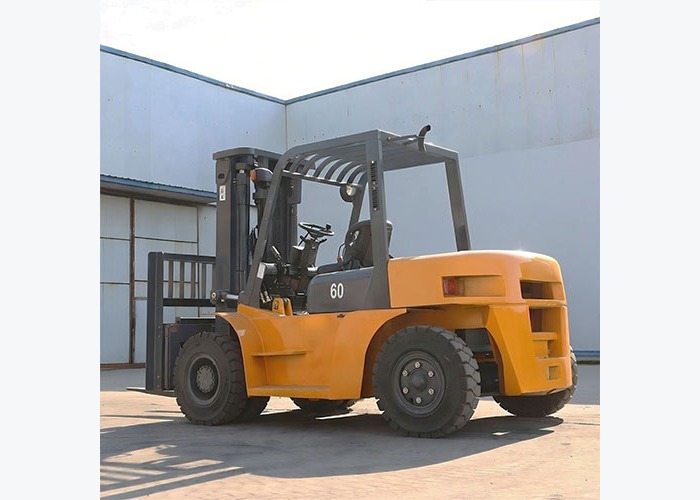
Two factories can both request a 3 ton diesel forklift and still need very different configurations because one handles steady pallets indoors while the other runs yard ramps and export loading. This is a practical operating issue, not merely a specification detail. The OSHA powered industrial truck guidance helps frame why the condition matters in real use, especially when buyers try to judge the machine only by catalog shorthand. In a working warehouse or yard, the topic should be reviewed with the actual load, route, and operator routine in mind. The main risk is that buying by site label alone hides the route details that actually determine fit. Supervisors and buyers should therefore connect the observation to the real job pattern before assuming a standard configuration will work.
A reliable next step is to write down the duty pattern by zone, including pickup point, travel distance, surface, turning space, and final placement. Record what was observed instead of relying on memory, because clear operating details make supplier discussions and internal decisions much faster. The relevant diesel forklift category can help translate the requirement into a machine option that fits the route more cleanly. Avoid solving the issue with assumptions or informal workarounds that only look acceptable in a short demonstration. As a decision rule, let the duty cycle define the truck instead of relying on generic assumptions about factory use. That keeps the buying decision tied to the daily task rather than to a generic machine label.
Suppliers can only match the truck well when the request includes the real load, route, mast, attachment, and environment details behind the job. This is a practical operating issue, not merely a specification detail. The OSHA powered industrial truck standard helps frame why the condition matters in real use, especially when buyers try to judge the machine only by catalog shorthand. In a working warehouse or yard, the topic should be reviewed with the actual load, route, and operator routine in mind. The main risk is that a short request often produces broad quotes that appear comparable while solving different jobs. Supervisors and buyers should therefore connect the observation to the real job pattern before assuming a standard configuration will work.
A reliable next step is to send photos, pallet dimensions, lift height, ramp conditions, and container or trailer requirements with the inquiry. Record what was observed instead of relying on memory, because clear operating details make supplier discussions and internal decisions much faster. The relevant VY-CPC25 diesel forklift can help translate the requirement into a machine option that fits the route more cleanly. Avoid solving the issue with assumptions or informal workarounds that only look acceptable in a short demonstration. As a decision rule, ask for a recommendation tied to your route and loading pattern rather than the cheapest nominal tonnage. That keeps the buying decision tied to the daily task rather than to a generic machine label.
Is a 3 ton diesel forklift enough for most factory pallets? It is often enough for many factory loads, but the final answer depends on load center, lift height, attachments, and whether the route includes ramps or outdoor transfer work.
Why does container work need special review? Container handling introduces door-height limits, tighter approach angles, floor transitions, and visibility constraints that can change mast and maneuvering requirements.
Should I choose the tallest mast available just in case? Not automatically. The mast should match real placement height, residual capacity, and visibility needs rather than adding reach that the site never uses.
Watch a related diesel forklift video here: https://www.youtube.com/watch?v=UoHqsZE7YXg.

A 3 ton diesel forklift is a strong fit when the truck is matched to the actual load pattern, route, and working environment instead of selected by tonnage alone.
The best buying decision comes from checking factory loads, container requirements, yard ramps, mast height, tire setup, and attachments together. That approach prevents the common mistake of buying a truck that is technically close but operationally awkward.
If you want a more precise recommendation, send VARYON the pallet dimensions, lift height, route photos, surface conditions, and whether container loading is part of the normal shift.