Get in touch
* Your personal information is securely protected and will only be used for business communication purposes.

A 3 ton electric forklift sits in a valuable middle ground for many warehouses. It offers enough capacity for routine pallets, denser production materials, and broader shift coverage while still preserving the lower-noise, lower-emission advantages that make electric fleets attractive indoors. That balance is why the class is popular, but it also creates a common buying mistake. Teams sometimes assume that once the truck reaches the 3 ton mark, it can absorb any warehouse duty without a careful review of turning space, battery rhythm, ramp exposure, and how the load behaves at real placement height.
This guide is written for warehouse managers, procurement teams, and dealers who need a practical way to specify a 3 ton electric forklift for daily indoor work and controlled transfer zones. It connects aisle width, turning pattern, battery planning, charging windows, mast selection, and route rhythm so the machine can be judged by how it behaves across a full shift. The goal is not to buy the biggest electric truck that fits the budget. The goal is to buy the right 3 ton truck for the real warehouse pattern.
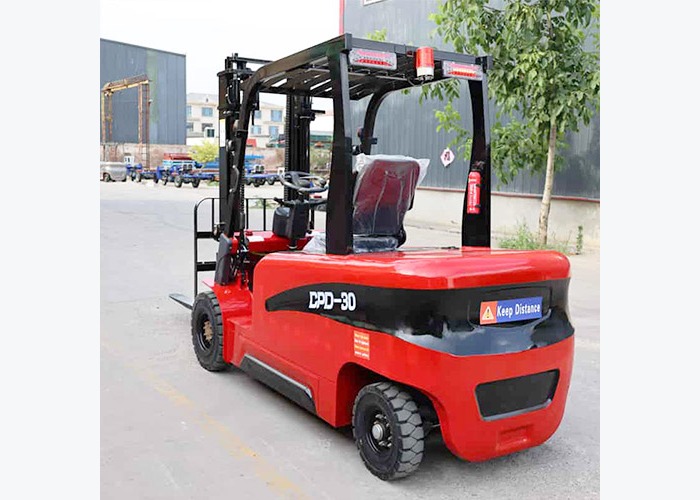
A 3 ton electric forklift should be chosen around the heaviest load the site expects to move routinely, not around a dramatic one-time lift that distorts the whole specification. This is a practical operating issue, not merely a specification detail. The OSHA electric powered industrial truck guidance provides useful context for the control principles behind this decision. In a real warehouse or yard, the condition should be reviewed with the actual load, route, battery routine, or placement task in mind. The main risk is that buyers may overspecify the truck for a rare event and then carry higher cost or maneuvering penalty every day. Supervisors and buyers should therefore connect the observation to the real job pattern before assuming a standard configuration will work.
A reliable next step is to separate everyday pallets, denser production loads, and occasional exception lifts before finalizing the truck class. Record what was observed instead of relying on memory, because clear operating details make supplier discussions and internal decisions much faster. The relevant electric forklift category can help translate the requirement into a machine option that fits the route more cleanly. Avoid solving the issue with assumptions or informal workarounds that only look acceptable in a short demonstration. As a decision rule, size the truck for repeatable work with realistic margin instead of for the rarest lift on site. That keeps the buying decision tied to the daily task rather than to a generic machine label.
A 3 ton electric forklift may look compact enough on paper, but real warehouse efficiency depends on how cleanly it turns and recovers with the normal load in place. This is a practical operating issue, not merely a specification detail. The OSHA battery charging guidance provides useful context for the control principles behind this decision. In a real warehouse or yard, the condition should be reviewed with the actual load, route, battery routine, or placement task in mind. The main risk is that teams often judge maneuverability in open floor space and then overestimate how freely the truck will move in congestion. Supervisors and buyers should therefore connect the observation to the real job pattern before assuming a standard configuration will work.
A reliable next step is to measure the tightest loaded turn, rack-end recovery space, and doorway clearances before comparing truck geometry. Record what was observed instead of relying on memory, because clear operating details make supplier discussions and internal decisions much faster. The relevant VY-CPD20 electric forklift can help translate the requirement into a machine option that fits the route more cleanly. Avoid solving the issue with assumptions or informal workarounds that only look acceptable in a short demonstration. As a decision rule, evaluate turning under the same load and aisle pressure the truck will face every shift. That keeps the buying decision tied to the daily task rather than to a generic machine label.
A 3 ton electric forklift becomes much easier to justify when the charging routine fits the operating day instead of fighting it. This is a practical operating issue, not merely a specification detail. The OSHA warehouse hazards and solutions provides useful context for the control principles behind this decision. In a real warehouse or yard, the condition should be reviewed with the actual load, route, battery routine, or placement task in mind. The main risk is that buyers may focus on truck size and forget that battery availability still decides whether the machine is productive all day. Supervisors and buyers should therefore connect the observation to the real job pattern before assuming a standard configuration will work.
A reliable next step is to confirm whether the truck runs one shift, two shifts, or a shared route with opportunity charging windows and charger access clearly defined. Record what was observed instead of relying on memory, because clear operating details make supplier discussions and internal decisions much faster. The relevant VY-CPD25 electric forklift can help translate the requirement into a machine option that fits the route more cleanly. Avoid solving the issue with assumptions or informal workarounds that only look acceptable in a short demonstration. As a decision rule, treat battery routine as part of the route fit and not as an electrical afterthought. That keeps the buying decision tied to the daily task rather than to a generic machine label.
The truck specification and the charging setup need to support each other, especially when the warehouse expects dependable turnaround between shifts. This is a practical operating issue, not merely a specification detail. The OSHA powered industrial truck standard provides useful context for the control principles behind this decision. In a real warehouse or yard, the condition should be reviewed with the actual load, route, battery routine, or placement task in mind. The main risk is that a good truck can still create lost time if the charging bay becomes the operational bottleneck. Supervisors and buyers should therefore connect the observation to the real job pattern before assuming a standard configuration will work.
A reliable next step is to check charger output, parking layout, queue risk, plug-in responsibility, and whether the charging area supports the real fleet rhythm. Record what was observed instead of relying on memory, because clear operating details make supplier discussions and internal decisions much faster. The relevant VY-CPD30 electric forklift can help translate the requirement into a machine option that fits the route more cleanly. Avoid solving the issue with assumptions or informal workarounds that only look acceptable in a short demonstration. As a decision rule, plan charging access around the busiest overlap period instead of around the calmest hour. That keeps the buying decision tied to the daily task rather than to a generic machine label.
A 3 ton electric forklift is often chosen for warehouses that need both practical rack reach and confident travel visibility through busy indoor lanes. This is a practical operating issue, not merely a specification detail. The CCOHS battery charging safety provides useful context for the control principles behind this decision. In a real warehouse or yard, the condition should be reviewed with the actual load, route, battery routine, or placement task in mind. The main risk is that buyers may request more mast than the route truly needs and then accept unnecessary visibility loss or complexity. Supervisors and buyers should therefore connect the observation to the real job pattern before assuming a standard configuration will work.
A reliable next step is to review top placement height, collapsed mast clearance, and operator sight lines at rack entry before selecting the mast package. Record what was observed instead of relying on memory, because clear operating details make supplier discussions and internal decisions much faster. The relevant VY-CPD35 electric forklift can help translate the requirement into a machine option that fits the route more cleanly. Avoid solving the issue with assumptions or informal workarounds that only look acceptable in a short demonstration. As a decision rule, choose mast geometry around the actual storage requirement rather than the largest available number. That keeps the buying decision tied to the daily task rather than to a generic machine label.
Even electric forklifts assigned mainly to warehouses can lose efficiency when the route includes dock plates, thresholds, short outdoor transfers, or broken floor sections. This is a practical operating issue, not merely a specification detail. The HSE workplace transport guidance provides useful context for the control principles behind this decision. In a real warehouse or yard, the condition should be reviewed with the actual load, route, battery routine, or placement task in mind. The main risk is that warehouse buyers sometimes assume indoor duty means the floor no longer influences truck choice in a meaningful way. Supervisors and buyers should therefore connect the observation to the real job pattern before assuming a standard configuration will work.
A reliable next step is to walk the full route and mark every joint, plate, slope, and transition the truck must cross under load. Record what was observed instead of relying on memory, because clear operating details make supplier discussions and internal decisions much faster. The relevant VY-CPD40 electric forklift can help translate the requirement into a machine option that fits the route more cleanly. Avoid solving the issue with assumptions or informal workarounds that only look acceptable in a short demonstration. As a decision rule, treat route condition as part of electric-forklift fit instead of assuming all indoor floors behave the same. That keeps the buying decision tied to the daily task rather than to a generic machine label.
A 3 ton electric forklift often works near pedestrians, staged pallets, and cross-traffic where calm visibility is more valuable than raw speed. This is a practical operating issue, not merely a specification detail. The NIOSH forklift safety guidance provides useful context for the control principles behind this decision. In a real warehouse or yard, the condition should be reviewed with the actual load, route, battery routine, or placement task in mind. The main risk is that tight warehouse zones magnify small blind spots because there is less room to improvise corrections. Supervisors and buyers should therefore connect the observation to the real job pattern before assuming a standard configuration will work.
A reliable next step is to check sight lines at pickup, reverse travel, intersections, and rack approach instead of assuming a familiar electric truck automatically solves visibility concerns. Record what was observed instead of relying on memory, because clear operating details make supplier discussions and internal decisions much faster. The relevant warehousing and logistics solutions can help translate the requirement into a machine option that fits the route more cleanly. Avoid solving the issue with assumptions or informal workarounds that only look acceptable in a short demonstration. As a decision rule, select the truck that gives operators the clearest routine view of the real route. That keeps the buying decision tied to the daily task rather than to a generic machine label.
A 3 ton electric forklift should support the warehouse flow by completing each move cleanly, not just by lifting a certain number on the data sheet. This is a practical operating issue, not merely a specification detail. The Wikipedia electric battery overview provides useful context for the control principles behind this decision. In a real warehouse or yard, the condition should be reviewed with the actual load, route, battery routine, or placement task in mind. The main risk is that a truck can be correctly rated yet still create wasted cycles if the route pattern is not reviewed honestly. Supervisors and buyers should therefore connect the observation to the real job pattern before assuming a standard configuration will work.
A reliable next step is to compare task duration, pallet mix, travel distance, and queue points before deciding that a 3 ton class is the right operational center. Record what was observed instead of relying on memory, because clear operating details make supplier discussions and internal decisions much faster. The relevant contact VARYON for warehouse planning can help translate the requirement into a machine option that fits the route more cleanly. Avoid solving the issue with assumptions or informal workarounds that only look acceptable in a short demonstration. As a decision rule, use the truck class to improve cycle flow without assuming capacity alone guarantees efficiency. That keeps the buying decision tied to the daily task rather than to a generic machine label.
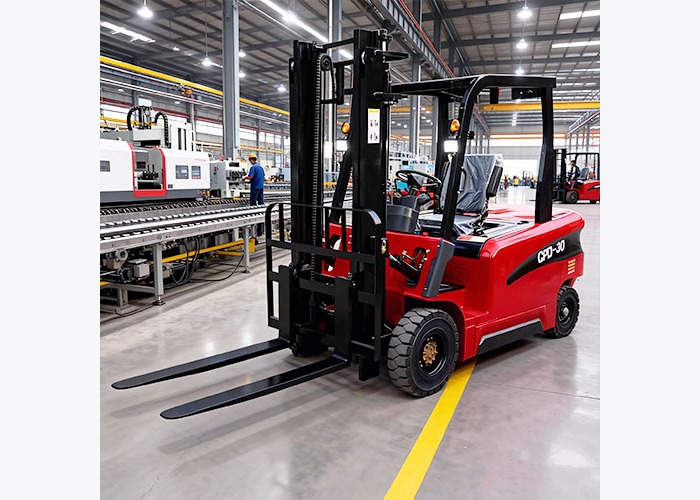
The purchase decision should also consider how the battery system, service points, and maintenance routine support the site’s real operating discipline. This is a practical operating issue, not merely a specification detail. The OSHA electric powered industrial truck guidance provides useful context for the control principles behind this decision. In a real warehouse or yard, the condition should be reviewed with the actual load, route, battery routine, or placement task in mind. The main risk is that a warehouse can underestimate ongoing support needs when it focuses only on the initial shift coverage story. Supervisors and buyers should therefore connect the observation to the real job pattern before assuming a standard configuration will work.
A reliable next step is to ask about inspection access, battery care expectations, cooling behavior, and what daily checks the team must own internally. Record what was observed instead of relying on memory, because clear operating details make supplier discussions and internal decisions much faster. The relevant electric forklift category can help translate the requirement into a machine option that fits the route more cleanly. Avoid solving the issue with assumptions or informal workarounds that only look acceptable in a short demonstration. As a decision rule, include service practicality in the buying review so the electric truck stays dependable after commissioning. That keeps the buying decision tied to the daily task rather than to a generic machine label.
Suppliers recommend a 3 ton electric forklift more accurately when the inquiry includes real route dimensions, charging rhythm, and pallet data instead of only a capacity request. This is a practical operating issue, not merely a specification detail. The OSHA battery charging guidance provides useful context for the control principles behind this decision. In a real warehouse or yard, the condition should be reviewed with the actual load, route, battery routine, or placement task in mind. The main risk is that generic requests often produce recommendations that solve different problems than the warehouse actually has. Supervisors and buyers should therefore connect the observation to the real job pattern before assuming a standard configuration will work.
A reliable next step is to send aisle width, pallet size, load weight, lift height, shift pattern, and charging-window details with the RFQ. Record what was observed instead of relying on memory, because clear operating details make supplier discussions and internal decisions much faster. The relevant VY-CPD20 electric forklift can help translate the requirement into a machine option that fits the route more cleanly. Avoid solving the issue with assumptions or informal workarounds that only look acceptable in a short demonstration. As a decision rule, describe the real warehouse geometry so the recommendation is tied to use instead of assumption. That keeps the buying decision tied to the daily task rather than to a generic machine label.
When is a 3 ton electric forklift the right choice? It is usually the right choice when the warehouse needs broader load coverage than lighter electric trucks provide, but still wants indoor-friendly operation and a battery routine that supports predictable shift flow.
Why does charging planning matter so much for a 3 ton electric forklift? Because heavier and longer-running warehouse cycles can turn battery access and queue time into the real constraint if the charging plan is not matched to the route.
Is a 3 ton electric forklift automatically better for every medium warehouse? No. The best result still depends on aisle width, turning pattern, battery rhythm, mast needs, and how the route behaves under the real pallet.
Watch a related electric forklift video here: https://www.youtube.com/watch?v=a6yXZOCzZxk.

A 3 ton electric forklift works best when load profile, aisle geometry, charging rhythm, and mast choice are reviewed as one connected warehouse system instead of as separate decisions.
The strongest buying result usually comes from measuring the tightest move, the busiest shift overlap, and the actual placement height before finalizing the truck. When those details are clear, a 3 ton electric forklift can deliver broad warehouse coverage without forcing the site into avoidable charging or maneuvering compromises.
For a more accurate recommendation, send VARYON your pallet weights, aisle dimensions, lift height, shift schedule, and charging-window details before requesting the final 3 ton electric forklift proposal.