Get in touch
* Your personal information is securely protected and will only be used for business communication purposes.

An electric stacker maintenance schedule should be simple enough for daily use and detailed enough to catch the issues that stop warehouse flow. Chains, rollers, brakes, batteries, connectors, forks, wheels, controls, and chargers all affect whether a compact pallet route stays predictable. When maintenance is only reactive, small faults can hide until the stacker fails in a narrow aisle or at a rack face.
This guide gives warehouse supervisors and maintenance coordinators a practical structure for daily, weekly, and periodic stacker care. It is not a substitute for the manufacturer’s manual, but it helps teams organize the checks that keep walkie and stand-on stackers ready for repeated pallet movement.
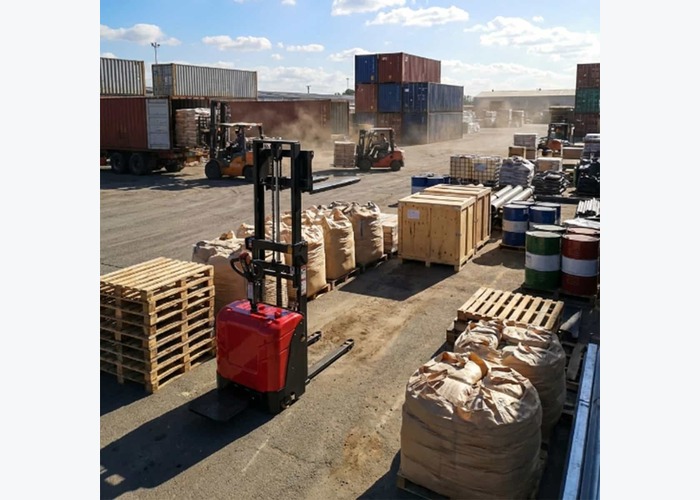
The daily check should catch visible damage, abnormal sounds, low battery, weak brakes, and obvious mast or fork concerns before production begins. This is a practical operating issue, not merely a specification detail. The OSHA powered industrial truck guidance provides useful context for the control principles behind this decision. In a real warehouse or yard, the condition should be reviewed with the actual load, route, battery routine, or placement task in mind. The main risk is that small changes are easy to ignore when the truck still moves. Supervisors and buyers should therefore connect the observation to the real job pattern before assuming a standard configuration will work.
A reliable next step is to walk around the stacker in the same order and record anything different from the previous shift. Record what was observed instead of relying on memory, because clear operating details make supplier discussions and internal decisions much faster. The relevant stacker category can help translate the requirement into a machine option that fits the route more cleanly. Avoid solving the issue with assumptions or informal workarounds that only look acceptable in a short demonstration. As a decision rule, make daily inspection a release condition before the stacker enters the aisle. That keeps the buying decision tied to the daily task rather than to a generic machine label.
Battery condition and charger habits directly affect runtime, lift speed, and availability. This is a practical operating issue, not merely a specification detail. The OSHA powered industrial truck standard provides useful context for the control principles behind this decision. In a real warehouse or yard, the condition should be reviewed with the actual load, route, battery routine, or placement task in mind. The main risk is that a missed charge can look like a battery failure the next shift. Supervisors and buyers should therefore connect the observation to the real job pattern before assuming a standard configuration will work.
A reliable next step is to check state of charge, connector condition, cable routing, charge completion, and any warning indicators. Record what was observed instead of relying on memory, because clear operating details make supplier discussions and internal decisions much faster. The relevant walkie stacker CDD-15 can help translate the requirement into a machine option that fits the route more cleanly. Avoid solving the issue with assumptions or informal workarounds that only look acceptable in a short demonstration. As a decision rule, assign charging responsibility clearly and record exceptions. That keeps the buying decision tied to the daily task rather than to a generic machine label.
Lift chains carry the working load and need inspection for wear, corrosion, poor lubrication, uneven tension, and damaged anchors. This is a practical operating issue, not merely a specification detail. The CCOHS manual materials handling guidance provides useful context for the control principles behind this decision. In a real warehouse or yard, the condition should be reviewed with the actual load, route, battery routine, or placement task in mind. The main risk is that chain damage can progress before an operator feels a dramatic symptom. Supervisors and buyers should therefore connect the observation to the real job pattern before assuming a standard configuration will work.
A reliable next step is to perform visual checks routinely and schedule measured inspection according to the service manual. Record what was observed instead of relying on memory, because clear operating details make supplier discussions and internal decisions much faster. The relevant walkie stacker CDD-20 can help translate the requirement into a machine option that fits the route more cleanly. Avoid solving the issue with assumptions or informal workarounds that only look acceptable in a short demonstration. As a decision rule, remove the stacker from service when chain or anchor damage is suspected. That keeps the buying decision tied to the daily task rather than to a generic machine label.
A stacker can have adequate hydraulic power and still lift poorly if rollers, channels, or carriage components are worn or contaminated. This is a practical operating issue, not merely a specification detail. The CCOHS forklift truck safety provides useful context for the control principles behind this decision. In a real warehouse or yard, the condition should be reviewed with the actual load, route, battery routine, or placement task in mind. The main risk is that forcing a binding mast can stress the hydraulic and electrical systems. Supervisors and buyers should therefore connect the observation to the real job pattern before assuming a standard configuration will work.
A reliable next step is to watch for jerking, scraping, uneven movement, and debris in accessible mast areas. Record what was observed instead of relying on memory, because clear operating details make supplier discussions and internal decisions much faster. The relevant stand-on stacker CZD-15 can help translate the requirement into a machine option that fits the route more cleanly. Avoid solving the issue with assumptions or informal workarounds that only look acceptable in a short demonstration. As a decision rule, clean and service mast components before they create secondary faults. That keeps the buying decision tied to the daily task rather than to a generic machine label.
Compact stackers often work near people and racks, making predictable stopping essential. This is a practical operating issue, not merely a specification detail. The HSE workplace transport guidance provides useful context for the control principles behind this decision. In a real warehouse or yard, the condition should be reviewed with the actual load, route, battery routine, or placement task in mind. The main risk is that operators may adapt to weak brakes without realizing the risk has changed. Supervisors and buyers should therefore connect the observation to the real job pattern before assuming a standard configuration will work.
A reliable next step is to test travel control, brake response, parking behavior, and emergency stop function in a controlled area. Record what was observed instead of relying on memory, because clear operating details make supplier discussions and internal decisions much faster. The relevant stand-on stacker CZD-20 can help translate the requirement into a machine option that fits the route more cleanly. Avoid solving the issue with assumptions or informal workarounds that only look acceptable in a short demonstration. As a decision rule, take the stacker out of service when braking behavior changes. That keeps the buying decision tied to the daily task rather than to a generic machine label.
Wheel wear, flat spots, embedded debris, and damaged load rollers reveal floor conditions and turning habits. This is a practical operating issue, not merely a specification detail. The NIOSH forklift safety guidance provides useful context for the control principles behind this decision. In a real warehouse or yard, the condition should be reviewed with the actual load, route, battery routine, or placement task in mind. The main risk is that replacing wheels without improving the route may repeat the same wear problem. Supervisors and buyers should therefore connect the observation to the real job pattern before assuming a standard configuration will work.
A reliable next step is to inspect wheels and rollers while also checking the route for floor joints, debris, and tight turning zones. Record what was observed instead of relying on memory, because clear operating details make supplier discussions and internal decisions much faster. The relevant warehousing and logistics solutions can help translate the requirement into a machine option that fits the route more cleanly. Avoid solving the issue with assumptions or informal workarounds that only look acceptable in a short demonstration. As a decision rule, use wheel condition as feedback for housekeeping and traffic layout. That keeps the buying decision tied to the daily task rather than to a generic machine label.
Bent forks, cracked heels, loose carriage parts, and damaged backrest areas can affect pallet entry and load control. This is a practical operating issue, not merely a specification detail. The Wikipedia pallet jack overview provides useful context for the control principles behind this decision. In a real warehouse or yard, the condition should be reviewed with the actual load, route, battery routine, or placement task in mind. The main risk is that minor deformation can cause poor pallet entry and unstable placement. Supervisors and buyers should therefore connect the observation to the real job pattern before assuming a standard configuration will work.
A reliable next step is to compare fork tips, heel condition, carriage movement, and visible structural parts with the approved limits. Record what was observed instead of relying on memory, because clear operating details make supplier discussions and internal decisions much faster. The relevant products overview can help translate the requirement into a machine option that fits the route more cleanly. Avoid solving the issue with assumptions or informal workarounds that only look acceptable in a short demonstration. As a decision rule, report structural concerns before continuing normal work. That keeps the buying decision tied to the daily task rather than to a generic machine label.
A stacker may be used by several operators, so controls, horn, display, emergency stop, and reverse protection need consistent condition. This is a practical operating issue, not merely a specification detail. The Wikipedia forklift overview provides useful context for the control principles behind this decision. In a real warehouse or yard, the condition should be reviewed with the actual load, route, battery routine, or placement task in mind. The main risk is that a fault that one operator tolerates may surprise the next person. Supervisors and buyers should therefore connect the observation to the real job pattern before assuming a standard configuration will work.
A reliable next step is to check all operator controls and warning functions before the truck is shared across shifts. Record what was observed instead of relying on memory, because clear operating details make supplier discussions and internal decisions much faster. The relevant contact VARYON for stacker service can help translate the requirement into a machine option that fits the route more cleanly. Avoid solving the issue with assumptions or informal workarounds that only look acceptable in a short demonstration. As a decision rule, standardize control checks so every shift starts with the same baseline. That keeps the buying decision tied to the daily task rather than to a generic machine label.

The best service interval reflects operating hours, route intensity, battery behavior, and repeated fault patterns. This is a practical operating issue, not merely a specification detail. The OSHA powered industrial truck guidance provides useful context for the control principles behind this decision. In a real warehouse or yard, the condition should be reviewed with the actual load, route, battery routine, or placement task in mind. The main risk is that without records, maintenance intervals become guesses. Supervisors and buyers should therefore connect the observation to the real job pattern before assuming a standard configuration will work.
A reliable next step is to record hours, faults, repairs, parts, battery complaints, chain checks, and wheel replacements. Record what was observed instead of relying on memory, because clear operating details make supplier discussions and internal decisions much faster. The relevant stacker category can help translate the requirement into a machine option that fits the route more cleanly. Avoid solving the issue with assumptions or informal workarounds that only look acceptable in a short demonstration. As a decision rule, use the record to adjust inspection frequency around real duty. That keeps the buying decision tied to the daily task rather than to a generic machine label.
A stacker used lightly last quarter may need more frequent checks after rack expansion, heavier pallets, longer travel, or new shifts. This is a practical operating issue, not merely a specification detail. The OSHA powered industrial truck standard provides useful context for the control principles behind this decision. In a real warehouse or yard, the condition should be reviewed with the actual load, route, battery routine, or placement task in mind. The main risk is that a schedule that once worked can become too light when the warehouse grows. Supervisors and buyers should therefore connect the observation to the real job pattern before assuming a standard configuration will work.
A reliable next step is to compare the current schedule with any change in load weight, lift height, travel distance, and operating hours. Record what was observed instead of relying on memory, because clear operating details make supplier discussions and internal decisions much faster. The relevant walkie stacker CDD-15 can help translate the requirement into a machine option that fits the route more cleanly. Avoid solving the issue with assumptions or informal workarounds that only look acceptable in a short demonstration. As a decision rule, update the maintenance plan whenever the route or workload changes. That keeps the buying decision tied to the daily task rather than to a generic machine label.
How often should an electric stacker be maintained? Use the manufacturer’s manual as the authority, then adapt daily, weekly, and periodic checks around operating hours, load weight, lift height, and route intensity.
What stacker parts should operators check daily? Operators can check visible condition, battery state, controls, warning devices, forks, wheels, brake response, and obvious leaks or damage according to site rules.
When should a stacker be removed from service? Remove it from service when braking changes, warning devices fail, chains or forks appear damaged, hydraulic leaks are present, or any fault affects safe operation.
Watch a related stacker video here: https://www.youtube.com/watch?v=ROqFgDITLnw.
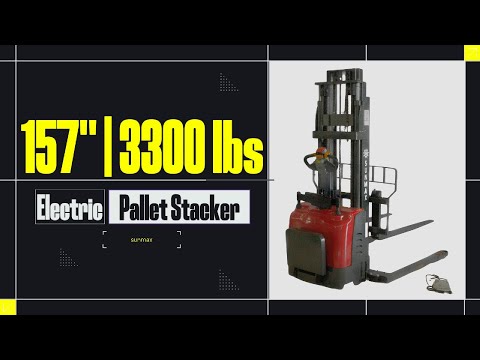
A useful electric stacker maintenance schedule is not complicated, but it must be consistent.
Daily checks protect the route, periodic inspections protect chains and mast components, and good records help the warehouse adjust service intervals before problems repeat.
For service planning, share the stacker model, operating hours, lift height, load weight, battery type, and repeated maintenance issues with VARYON.