Get in touch
* Your personal information is securely protected and will only be used for business communication purposes.

When an electric stacker will not lift, lifts slowly, drifts down, or makes unusual hydraulic noise, the symptom does not automatically identify the failed part. A low battery, open interlock, damaged control, low oil level, suction leak, overloaded pallet, binding mast, worn pump, or leaking cylinder can create similar operator complaints. Replacing components before separating these possibilities wastes time and can leave the original fault untouched.
This troubleshooting checklist moves from safe observations to more technical checks. Operators should stop after basic inspections and report what they find; qualified service personnel should handle electrical measurement, pressure testing, hydraulic opening, and component repair. Always use the manufacturer’s manual, isolate energy, lower and secure the load-handling parts, and never work beneath unsupported forks or a raised carriage.
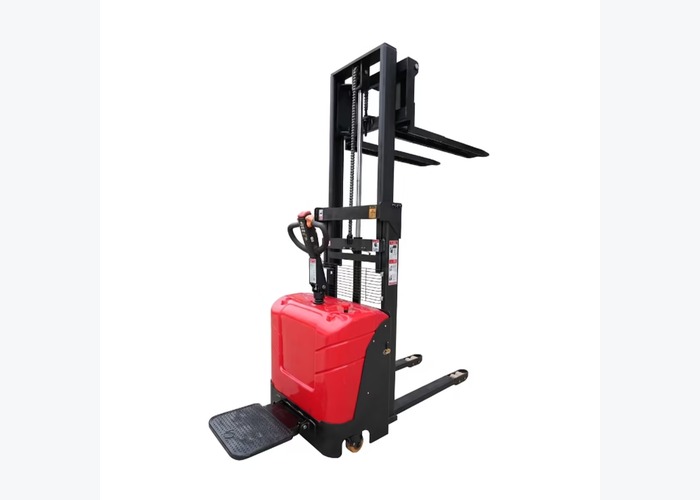
Troubleshooting starts with an unloaded truck on level ground, forks lowered, controls neutral, power isolated where required, and the work area protected. This is a practical operating issue, not merely a specification detail. The OSHA powered industrial truck guidance provides useful context for the control principles behind this decision. In a real warehouse or yard, the condition should be evaluated with the truck stopped and the task clearly defined. The main risk is that testing beneath a raised carriage or with an unstable load can turn a small fault into a severe incident. Supervisors should therefore compare the operator’s observation with the approved truck information, the actual load or battery condition, and the route or work area before allowing the task to continue.
A reliable check is to record the original symptom, remove the pallet if it can be done safely, and prevent anyone from operating the truck during inspection. Record what was observed instead of relying on memory, because repeatable evidence makes supplier and service discussions faster. The relevant stacker category can help the team connect the issue to an available machine or application path. Avoid changing several variables at once; make one controlled check, review the result, and stop if the procedure requires tools, measurements, or access reserved for trained personnel. As a decision rule, use approved supports and service procedures whenever a raised component must be retained. This keeps the response proportionate and prevents a temporary workaround from becoming the normal operating method.
No lift, slow lift, intermittent lift, drift, jerking, uneven carriage movement, and noise point toward different groups of causes. This is a practical operating issue, not merely a specification detail. The OSHA powered industrial truck standard provides useful context for the control principles behind this decision. In a real warehouse or yard, the condition should be evaluated with the truck stopped and the task clearly defined. The main risk is that a vague report such as weak hydraulics encourages parts swapping. Supervisors should therefore compare the operator’s observation with the approved truck information, the actual load or battery condition, and the route or work area before allowing the task to continue.
A reliable check is to note battery state, load weight, lift height, oil temperature, warning indicators, sounds, and whether the fault changes without a load. Record what was observed instead of relying on memory, because repeatable evidence makes supplier and service discussions faster. The relevant walkie stacker CDD-15 can help the team connect the issue to an available machine or application path. Avoid changing several variables at once; make one controlled check, review the result, and stop if the procedure requires tools, measurements, or access reserved for trained personnel. As a decision rule, reproduce only the minimum safe test needed and write down the conditions. This keeps the response proportionate and prevents a temporary workaround from becoming the normal operating method.
The lift motor may not receive adequate voltage or permission to run when the battery is discharged or a safety interlock remains open. This is a practical operating issue, not merely a specification detail. The NIOSH forklift safety guidance provides useful context for the control principles behind this decision. In a real warehouse or yard, the condition should be evaluated with the truck stopped and the task clearly defined. The main risk is that a hydraulic complaint can begin entirely in the electrical control chain. Supervisors should therefore compare the operator’s observation with the approved truck information, the actual load or battery condition, and the route or work area before allowing the task to continue.
A reliable check is to inspect the battery indicator, emergency stop, key switch, tiller position, connectors, fuses, and visible wiring according to the manual. Record what was observed instead of relying on memory, because repeatable evidence makes supplier and service discussions faster. The relevant walkie stacker CDD-20 can help the team connect the issue to an available machine or application path. Avoid changing several variables at once; make one controlled check, review the result, and stop if the procedure requires tools, measurements, or access reserved for trained personnel. As a decision rule, have a qualified technician measure voltage under lift demand when basic checks do not explain the fault. This keeps the response proportionate and prevents a temporary workaround from becoming the normal operating method.
An overloaded, front-heavy, or poorly supported pallet can make a healthy stacker lift slowly or activate protective controls. This is a practical operating issue, not merely a specification detail. The CCOHS forklift safety guidance provides useful context for the control principles behind this decision. In a real warehouse or yard, the condition should be evaluated with the truck stopped and the task clearly defined. The main risk is that nominal capacity does not apply to every load shape and lift condition. Supervisors should therefore compare the operator’s observation with the approved truck information, the actual load or battery condition, and the route or work area before allowing the task to continue.
A reliable check is to confirm the pallet weight, load center, fork entry, and residual capacity at the intended height. Record what was observed instead of relying on memory, because repeatable evidence makes supplier and service discussions faster. The relevant stand-on stacker CZD-15 can help the team connect the issue to an available machine or application path. Avoid changing several variables at once; make one controlled check, review the result, and stop if the procedure requires tools, measurements, or access reserved for trained personnel. As a decision rule, repeat diagnosis unloaded before assuming the pump or cylinder has failed. This keeps the response proportionate and prevents a temporary workaround from becoming the normal operating method.
Low, contaminated, foamy, or incorrect hydraulic oil can reduce pump supply and create jerky or noisy lifting. This is a practical operating issue, not merely a specification detail. The HSE lift-truck training guidance provides useful context for the control principles behind this decision. In a real warehouse or yard, the condition should be evaluated with the truck stopped and the task clearly defined. The main risk is that overfilling can be as unhelpful as underfilling and opening a dirty reservoir can introduce contamination. Supervisors should therefore compare the operator’s observation with the approved truck information, the actual load or battery condition, and the route or work area before allowing the task to continue.
A reliable check is to check level only by the manufacturer’s procedure with the carriage in the specified position and inspect for discoloration, debris, water, or bubbles. Record what was observed instead of relying on memory, because repeatable evidence makes supplier and service discussions faster. The relevant stand-on stacker CZD-20 can help the team connect the issue to an available machine or application path. Avoid changing several variables at once; make one controlled check, review the result, and stop if the procedure requires tools, measurements, or access reserved for trained personnel. As a decision rule, correct the cause of fluid loss rather than repeatedly topping up. This keeps the response proportionate and prevents a temporary workaround from becoming the normal operating method.
Hoses, fittings, seals, the reservoir, pump inlet, valve block, and cylinder can leak fluid or admit air. This is a practical operating issue, not merely a specification detail. The Safe Work Australia forklift guidance provides useful context for the control principles behind this decision. In a real warehouse or yard, the condition should be evaluated with the truck stopped and the task clearly defined. The main risk is that pressurized hydraulic fluid can penetrate skin and requires immediate medical attention. Supervisors should therefore compare the operator’s observation with the approved truck information, the actual load or battery condition, and the route or work area before allowing the task to continue.
A reliable check is to use good lighting and clean cardboard or an approved detection method instead of hands to locate a suspected leak. Record what was observed instead of relying on memory, because repeatable evidence makes supplier and service discussions faster. The relevant warehousing and logistics solutions can help the team connect the issue to an available machine or application path. Avoid changing several variables at once; make one controlled check, review the result, and stop if the procedure requires tools, measurements, or access reserved for trained personnel. As a decision rule, replace damaged parts and seals using the approved depressurization procedure. This keeps the response proportionate and prevents a temporary workaround from becoming the normal operating method.
A strained motor or whining pump may indicate restricted oil supply or excessive load, while scraping and uneven movement may come from the mast, rollers, chain, or carriage. This is a practical operating issue, not merely a specification detail. The OSHA daily forklift checklist provides useful context for the control principles behind this decision. In a real warehouse or yard, the condition should be evaluated with the truck stopped and the task clearly defined. The main risk is that forcing a mechanically bound mast can overload the hydraulic and electrical systems. Supervisors should therefore compare the operator’s observation with the approved truck information, the actual load or battery condition, and the route or work area before allowing the task to continue.
A reliable check is to observe whether the carriage travels squarely and inspect accessible rollers, channels, chains, and lubrication points without entering a pinch zone. Record what was observed instead of relying on memory, because repeatable evidence makes supplier and service discussions faster. The relevant VARYON products overview can help the team connect the issue to an available machine or application path. Avoid changing several variables at once; make one controlled check, review the result, and stop if the procedure requires tools, measurements, or access reserved for trained personnel. As a decision rule, repair the source of resistance before adjusting hydraulic pressure. This keeps the response proportionate and prevents a temporary workaround from becoming the normal operating method.
Hydraulic pressure may raise the cylinder correctly while worn or misadjusted mechanical lift components prevent smooth carriage travel. This is a practical operating issue, not merely a specification detail. The OSHA forklift load-composition guidance provides useful context for the control principles behind this decision. In a real warehouse or yard, the condition should be evaluated with the truck stopped and the task clearly defined. The main risk is that unequal chains or damaged rollers can create tilt, jerking, and accelerated wear. Supervisors should therefore compare the operator’s observation with the approved truck information, the actual load or battery condition, and the route or work area before allowing the task to continue.
A reliable check is to compare chain tension and inspect anchors, rollers, channels, and carriage alignment using the service limits. Record what was observed instead of relying on memory, because repeatable evidence makes supplier and service discussions faster. The relevant contact VARYON for stacker support can help the team connect the issue to an available machine or application path. Avoid changing several variables at once; make one controlled check, review the result, and stop if the procedure requires tools, measurements, or access reserved for trained personnel. As a decision rule, remove the truck from service when chains, anchors, or structural parts show damage. This keeps the response proportionate and prevents a temporary workaround from becoming the normal operating method.
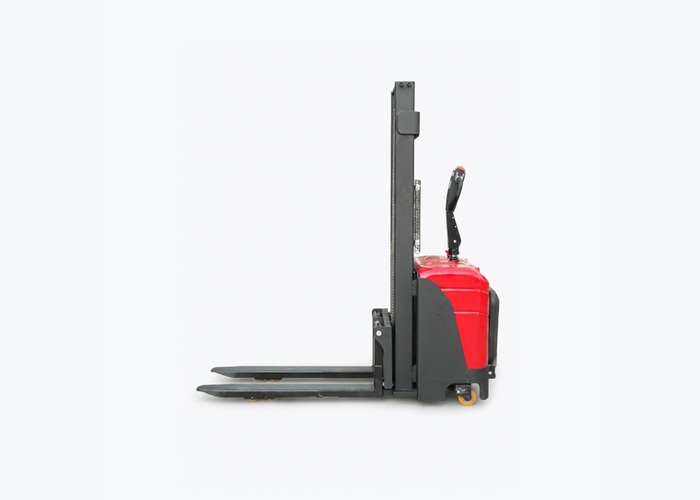
Pressure testing, current measurement, valve diagnosis, and cylinder leakage tests can isolate the failed subsystem when observations are no longer enough. This is a practical operating issue, not merely a specification detail. The OSHA mast and hydraulic lift overview provides useful context for the control principles behind this decision. In a real warehouse or yard, the condition should be evaluated with the truck stopped and the task clearly defined. The main risk is that turning an adjustment screw without a measured baseline can mask wear or create an unsafe overpressure condition. Supervisors should therefore compare the operator’s observation with the approved truck information, the actual load or battery condition, and the route or work area before allowing the task to continue.
A reliable check is to follow the model-specific test points, rated values, instruments, and isolation steps. Record what was observed instead of relying on memory, because repeatable evidence makes supplier and service discussions faster. The relevant stacker category can help the team connect the issue to an available machine or application path. Avoid changing several variables at once; make one controlled check, review the result, and stop if the procedure requires tools, measurements, or access reserved for trained personnel. As a decision rule, compare results with the service manual before authorizing component replacement. This keeps the response proportionate and prevents a temporary workaround from becoming the normal operating method.
A repair is complete only when the truck lifts, holds, lowers, and travels normally through a staged return-to-service test. This is a practical operating issue, not merely a specification detail. The OSHA powered industrial truck guidance provides useful context for the control principles behind this decision. In a real warehouse or yard, the condition should be evaluated with the truck stopped and the task clearly defined. The main risk is that returning directly to production can hide drift, heat-related faults, or incomplete bleeding. Supervisors should therefore compare the operator’s observation with the approved truck information, the actual load or battery condition, and the route or work area before allowing the task to continue.
A reliable check is to start unloaded, inspect for leaks and abnormal sound, then increase to a known test load within the approved capacity. Record what was observed instead of relying on memory, because repeatable evidence makes supplier and service discussions faster. The relevant walkie stacker CDD-15 can help the team connect the issue to an available machine or application path. Avoid changing several variables at once; make one controlled check, review the result, and stop if the procedure requires tools, measurements, or access reserved for trained personnel. As a decision rule, document parts, readings, test load, and the person who released the truck. This keeps the response proportionate and prevents a temporary workaround from becoming the normal operating method.
Why does the stacker lift when empty but not with a pallet? The load may exceed residual capacity, the battery voltage may collapse under demand, or the hydraulic system may be unable to build or hold the required pressure.
Can I add hydraulic oil whenever lifting becomes slow? Only after checking level by the model-specific procedure and finding the cause. Incorrect oil, overfilling, contamination, or an unrepaired leak can create further problems.
What does jerky lifting usually mean? Possible causes include air in the system, low or contaminated oil, restricted supply, valve problems, or mechanical binding. The complete symptom and inspection results are needed.
Watch a related stacker video here: https://www.youtube.com/watch?v=2v7TII46teo.
The fastest repair is usually the diagnosis that preserves the most evidence.
Start with safety, define the symptom, and check battery, interlocks, load, oil, leaks, and mast condition before opening the hydraulic system. Escalate to measured pressure and electrical tests only when the basic checks have narrowed the possibilities.
For model-specific support, provide VARYON with the stacker model, serial information, operating hours, load details, warning indicators, and a clear description of when the fault occurs.