Get in touch
* Your personal information is securely protected and will only be used for business communication purposes.

Electric forklift uptime is not decided by battery chemistry alone. It is shaped by how the fleet gets energy back into the trucks during a real shift pattern. Warehouses that run long hours, mixed departments, or uneven break windows usually reach a point where they must choose between structured opportunity charging and a battery swapping routine that supports continuous use.
This guide explains that decision in practical terms for supervisors, buyers, and warehouse planners. The goal is to compare the two methods through route timing, charger access, room layout, labor demand, and risk control so the site chooses a system that works every day instead of one that only looks efficient on a spec sheet.
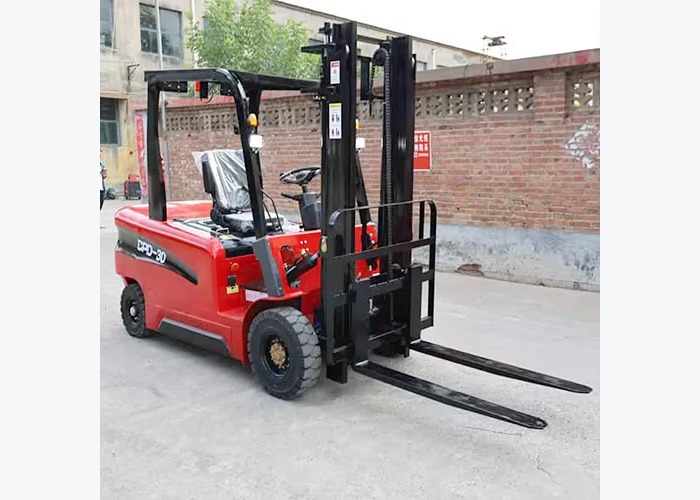
The right charging strategy comes from the route pattern first because a warehouse with short predictable pauses behaves very differently from one with continuous movement and little slack. Too many fleet decisions start with hardware availability instead of actual operating rhythm. The result is a charging plan that sounds modern but does not fit the real break structure or dispatch pressure. Guidance such as OSHA powered industrial trucks standard is useful because it keeps the review tied to real operating control rather than to vague habit. In a working warehouse or yard, the checklist should reflect the actual route, load, charger routine, or placement task the machine will face. The main risk is that buyers may choose a charging method that fits the brochure better than the shift. That is why the check should be explained in terms the operator and supervisor can both act on immediately.
A practical next step is to map each truck’s busy periods, break windows, and handoff points before comparing charging methods. Keep the observation concrete instead of relying on memory, because specific notes make maintenance and supervision faster. The relevant Electric Forklift category can also help turn the observation into a product or application discussion that fits the site more cleanly. As a decision rule, use the shift pattern as the first filter for every charging decision. That keeps the inspection connected to the daily task instead of turning it into a generic routine.
Opportunity charging depends on the warehouse being honest about whether short charging windows truly exist. It works when trucks can return to the charger during planned pauses without causing queueing or lost route capacity. If those pauses collapse every time the dock gets busy, the strategy becomes fragile no matter how capable the charger looks on paper. Guidance such as OSHA battery charging guidance is useful because it keeps the review tied to real operating control rather than to vague habit. In a working warehouse or yard, the checklist should reflect the actual route, load, charger routine, or placement task the machine will face. The main risk is that teams may count theoretical breaks that vanish under real dispatch pressure. That is why the check should be explained in terms the operator and supervisor can both act on immediately.
A practical next step is to review whether operators actually have repeatable micro-breaks between routes and whether those windows stay intact on busy days. Keep the observation concrete instead of relying on memory, because specific notes make maintenance and supervision faster. The relevant VY-CPD30 electric forklift truck can also help turn the observation into a product or application discussion that fits the site more cleanly. As a decision rule, treat opportunity charging as valid only when the break pattern survives peak demand. That keeps the inspection connected to the daily task instead of turning it into a generic routine.
Battery swapping becomes attractive when the fleet must keep moving through long blocks of work with very limited idle time. In those situations, a controlled change process may protect uptime better than chasing short charging stops across the day. The tradeoff is that the site must be ready for more handling equipment, more labor coordination, and more defined battery-room discipline. Guidance such as CCOHS forklift batteries guidance is useful because it keeps the review tied to real operating control rather than to vague habit. In a working warehouse or yard, the checklist should reflect the actual route, load, charger routine, or placement task the machine will face. The main risk is that managers may underestimate how much uninterrupted demand their busiest trucks really carry. That is why the check should be explained in terms the operator and supervisor can both act on immediately.
A practical next step is to identify which trucks run hard enough that stopping to charge would directly reduce productive movement. Keep the observation concrete instead of relying on memory, because specific notes make maintenance and supervision faster. The relevant Lithium Electric Forklift Guide for Fast Charging, Multi-Shift Warehouses, and Battery Planning can also help turn the observation into a product or application discussion that fits the site more cleanly. As a decision rule, reserve swapping for trucks whose routes truly cannot absorb charging pauses. That keeps the inspection connected to the daily task instead of turning it into a generic routine.
The charging method should never be separated from the battery technology already in the fleet or planned for purchase. Lithium systems usually support faster charging routines and make opportunity charging more practical in many warehouses, while traditional lead-acid setups often push the site toward stricter charging windows or more elaborate handling plans. A strategy that ignores chemistry will usually create frustration later. Guidance such as CCOHS battery charging guidance is useful because it keeps the review tied to real operating control rather than to vague habit. In a working warehouse or yard, the checklist should reflect the actual route, load, charger routine, or placement task the machine will face. The main risk is that the warehouse may assume every electric truck can be managed through the same charging logic. That is why the check should be explained in terms the operator and supervisor can both act on immediately.
A practical next step is to align the energy strategy with the actual battery type, connector standard, and thermal behavior already present in the fleet. Keep the observation concrete instead of relying on memory, because specific notes make maintenance and supervision faster. The relevant Lead Acid vs Lithium Battery Guide for Electric Forklift Fleets can also help turn the observation into a product or application discussion that fits the site more cleanly. As a decision rule, choose the routine that matches both the shift and the battery platform. That keeps the inspection connected to the daily task instead of turning it into a generic routine.
A charging strategy often fails at the plug level rather than at the policy level. Mixed charger outputs, connector confusion, or trucks assigned to the wrong charging point create avoidable downtime and operator workarounds. Whether the site charges during breaks or swaps packs, the supporting equipment must be standardized enough that the team does not lose time solving preventable compatibility issues. Guidance such as CCOHS forklift maintenance guidance is useful because it keeps the review tied to real operating control rather than to vague habit. In a working warehouse or yard, the checklist should reflect the actual route, load, charger routine, or placement task the machine will face. The main risk is that compatibility gaps can turn a planned energy routine into a daily scramble. That is why the check should be explained in terms the operator and supervisor can both act on immediately.
A practical next step is to list charger outputs, connector types, parking positions, and truck assignments before deciding how flexible the system really is. Keep the observation concrete instead of relying on memory, because specific notes make maintenance and supervision faster. The relevant Electric Forklift Charging Time Guide for Battery Type, Charger Size, and Shift Planning can also help turn the observation into a product or application discussion that fits the site more cleanly. As a decision rule, use equipment standardization as part of the uptime calculation, not as an afterthought. That keeps the inspection connected to the daily task instead of turning it into a generic routine.
Some sites simply do not have the floor space or traffic separation needed for an efficient swap routine. Others have limited room for several fast chargers and cannot create quiet access lanes for trucks that need short top-up stops. The physical room layout often decides which strategy is practical long before finance or preference does. Guidance such as HSE managing lift trucks is useful because it keeps the review tied to real operating control rather than to vague habit. In a working warehouse or yard, the checklist should reflect the actual route, load, charger routine, or placement task the machine will face. The main risk is that the warehouse may promise a system that the battery room cannot physically support. That is why the check should be explained in terms the operator and supervisor can both act on immediately.
A practical next step is to measure charger lanes, battery staging space, approach routes, and pedestrian separation before locking in a method. Keep the observation concrete instead of relying on memory, because specific notes make maintenance and supervision faster. The relevant contact VARYON for fleet planning can also help turn the observation into a product or application discussion that fits the site more cleanly. As a decision rule, let the room layout reject weak options early instead of trying to force them later. That keeps the inspection connected to the daily task instead of turning it into a generic routine.
Opportunity charging usually pushes labor discipline toward scheduling and charger rotation, while battery swapping pushes labor toward handling, inspection, and battery-room control. Neither method is free of supervision. The better question is which kind of labor the warehouse can perform consistently without creating confusion across shifts. Guidance such as OSHA powered industrial trucks standard is useful because it keeps the review tied to real operating control rather than to vague habit. In a working warehouse or yard, the checklist should reflect the actual route, load, charger routine, or placement task the machine will face. The main risk is that teams may compare hardware cost while overlooking the human process that keeps it working. That is why the check should be explained in terms the operator and supervisor can both act on immediately.
A practical next step is to decide whether the site can manage disciplined charger scheduling or a dedicated battery-change routine more reliably. Keep the observation concrete instead of relying on memory, because specific notes make maintenance and supervision faster. The relevant Electric Forklift category can also help turn the observation into a product or application discussion that fits the site more cleanly. As a decision rule, pick the method the operation can actually supervise day after day. That keeps the inspection connected to the daily task instead of turning it into a generic routine.
Both strategies require safety rules, but the control points are not identical. Opportunity charging needs clean charger parking, cable control, and predictable access. Battery swapping adds more handling risk because the battery itself becomes a moved asset with its own storage and transfer procedure. A site should treat that difference as operational design, not as a minor footnote. Guidance such as OSHA battery charging guidance is useful because it keeps the review tied to real operating control rather than to vague habit. In a working warehouse or yard, the checklist should reflect the actual route, load, charger routine, or placement task the machine will face. The main risk is that people may copy one safety routine onto a different energy process that has different hazards. That is why the check should be explained in terms the operator and supervisor can both act on immediately.
A practical next step is to write the energy routine around the actual hazards of cables, connectors, battery movement, and room access for that method. Keep the observation concrete instead of relying on memory, because specific notes make maintenance and supervision faster. The relevant VY-CPD30 electric forklift truck can also help turn the observation into a product or application discussion that fits the site more cleanly. As a decision rule, match the written controls to the exact charging method being used. That keeps the inspection connected to the daily task instead of turning it into a generic routine.
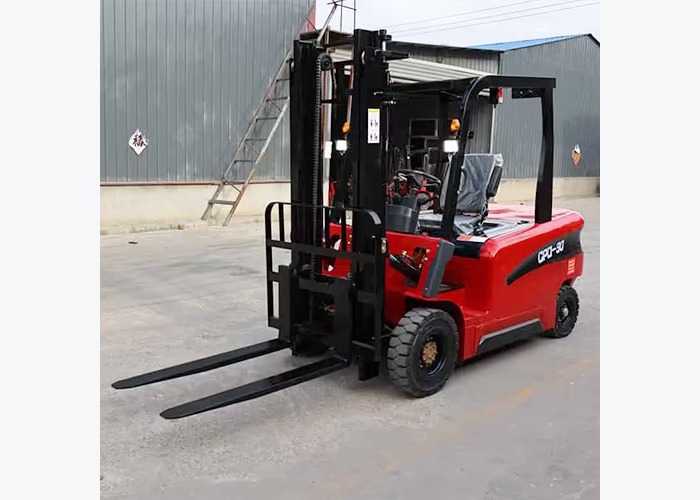
The fleet should resist simple comparisons such as charger cost versus battery-room equipment cost because the daily result depends on several linked factors. Uptime loss, room footprint, operator waiting time, spare battery inventory, and supervision all affect the final economics. A method that looks cheaper in equipment alone can be more expensive once the warehouse counts its lost movement and coordination effort. Guidance such as CCOHS forklift batteries guidance is useful because it keeps the review tied to real operating control rather than to vague habit. In a working warehouse or yard, the checklist should reflect the actual route, load, charger routine, or placement task the machine will face. The main risk is that buyers may choose a lower visible equipment cost that creates higher operating drag. That is why the check should be explained in terms the operator and supervisor can both act on immediately.
A practical next step is to compare the methods through route capacity, spare asset count, room space, and recurring labor instead of invoice price alone. Keep the observation concrete instead of relying on memory, because specific notes make maintenance and supervision faster. The relevant Lithium Electric Forklift Guide for Fast Charging, Multi-Shift Warehouses, and Battery Planning can also help turn the observation into a product or application discussion that fits the site more cleanly. As a decision rule, treat cost as a full-system decision rather than a one-line purchase comparison. That keeps the inspection connected to the daily task instead of turning it into a generic routine.
The safest way to decide between the two methods is often to test one zone or truck group first and measure what happens to charge access, queueing, shift handoff, and operator behavior. A short pilot reveals whether the warehouse assumptions are real. It also gives supervisors evidence they can use when explaining why one method fits the operation better than the other. Guidance such as CCOHS battery charging guidance is useful because it keeps the review tied to real operating control rather than to vague habit. In a working warehouse or yard, the checklist should reflect the actual route, load, charger routine, or placement task the machine will face. The main risk is that large-scale rollout can hide a bad fit until the whole warehouse is committed. That is why the check should be explained in terms the operator and supervisor can both act on immediately.
A practical next step is to pilot the routine on a defined truck group and review uptime, queueing, and rule compliance before expanding fleet-wide. Keep the observation concrete instead of relying on memory, because specific notes make maintenance and supervision faster. The relevant Lead Acid vs Lithium Battery Guide for Electric Forklift Fleets can also help turn the observation into a product or application discussion that fits the site more cleanly. As a decision rule, prove the routine in one operating slice before standardizing it across the site. That keeps the inspection connected to the daily task instead of turning it into a generic routine.
When is opportunity charging usually the better fit? It is usually the better fit when trucks have reliable short pauses, the chargers are standardized, and the warehouse can keep access lanes orderly.
When does battery swapping become easier to justify? It becomes easier to justify when key trucks need near-continuous uptime and the site can support battery-room handling and supervision safely.
Should the charging decision be tied to battery chemistry? Yes. Battery type changes charging speed, handling demands, room layout, and the realism of short charging windows.
Watch a related electric forklift video here: https://www.youtube.com/watch?v=92VR2gzHwv8.

Opportunity charging and battery swapping are both workable, but each succeeds under a different operating pattern.
The best decision comes from matching the method to shift rhythm, room layout, charger standardization, and the supervision the warehouse can sustain.
If the fleet is growing into longer hours or mixed departments, review the energy routine now before uptime problems become part of the normal shift.