Get in touch
* Your personal information is securely protected and will only be used for business communication purposes.

A diesel forklift should be refueled with the same discipline used for lifting and travel because the fueling point combines heat, fuel vapors, vehicle traffic, and schedule pressure in one small area. When that routine is rushed, small habits such as topping off a hot truck or leaving the nozzle unattended can turn into fire risk, environmental cleanup, or a truck that goes back into service with a preventable defect.
This checklist is written for yard supervisors, operators, and maintenance leads who need a practical refueling standard for diesel forklifts working across outdoor routes, loading aprons, and mixed-shift schedules. The goal is not to add paperwork. It is to make every fueling stop predictable enough that the truck returns to work clean, capped, and safe for the next task.
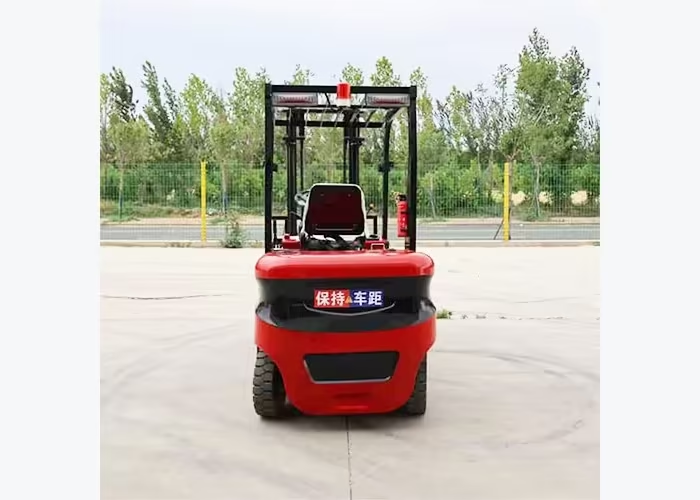
Refueling safety begins before the nozzle is lifted, because the condition of the fueling area determines whether the rest of the routine can stay controlled. A marked zone with stable ground, lighting, traffic separation, and visible housekeeping standards prevents fueling from drifting into a casual roadside habit. Yard teams often accept improvised fueling spots when routes get busy, but that choice removes the structure that keeps the process predictable. Guidance such as OSHA powered industrial trucks standard is useful because it keeps the review tied to real operating control rather than to vague habit. In a working warehouse or yard, the checklist should reflect the actual route, load, charger routine, or placement task the machine will face. The main risk is that drivers may start treating any open patch of pavement as an acceptable fueling area. That is why the check should be explained in terms the operator and supervisor can both act on immediately.
A practical next step is to confirm the bay boundary, approach path, shutoff location, and spill-response equipment before the forklift enters the fueling point. Keep the observation concrete instead of relying on memory, because specific notes make maintenance and supervision faster. The relevant Diesel Forklift category can also help turn the observation into a product or application discussion that fits the site more cleanly. As a decision rule, use the defined fueling zone as a release condition instead of an optional convenience. That keeps the inspection connected to the daily task instead of turning it into a generic routine.
A diesel forklift can arrive at the fuel point immediately after heavy climbing, long travel, or repeated stop-start loading. That matters because hot surfaces, engine-bay temperature, and operator impatience all change the risk level at the moment fueling starts. The safest routine is built around the truck condition, not just the fuel gauge reading. Guidance such as OSHA powered industrial trucks eTool is useful because it keeps the review tied to real operating control rather than to vague habit. In a working warehouse or yard, the checklist should reflect the actual route, load, charger routine, or placement task the machine will face. The main risk is that people may refuel while the truck is still heat-soaked from yard work. That is why the check should be explained in terms the operator and supervisor can both act on immediately.
A practical next step is to check whether the truck has just finished a hard route segment and allow the operator to move deliberately through the shutdown sequence before opening the tank area. Keep the observation concrete instead of relying on memory, because specific notes make maintenance and supervision faster. The relevant VY-CPC50 diesel forklift can also help turn the observation into a product or application discussion that fits the site more cleanly. As a decision rule, treat temperature and shutdown discipline as part of the fueling decision. That keeps the inspection connected to the daily task instead of turning it into a generic routine.
Fueling only looks routine until teams forget how many ignition sources can drift into a shared yard. Smoking, loose electrical devices, portable heaters, grinders, and even nearby maintenance activity can undermine an otherwise clean fueling step. Refueling works best when the team actively clears those risks instead of assuming everyone nearby remembers the rule. Guidance such as CCOHS forklift daily checks is useful because it keeps the review tied to real operating control rather than to vague habit. In a working warehouse or yard, the checklist should reflect the actual route, load, charger routine, or placement task the machine will face. The main risk is that a clean fueling routine can still fail because nearby ignition sources were ignored. That is why the check should be explained in terms the operator and supervisor can both act on immediately.
A practical next step is to sweep the immediate zone for smoking, hot work, charging activity, or loose devices before the cap is opened. Keep the observation concrete instead of relying on memory, because specific notes make maintenance and supervision faster. The relevant Heavy Duty Diesel Forklift Guide for Stone Yards, Timber Loads, and Outdoor Duty Cycles can also help turn the observation into a product or application discussion that fits the site more cleanly. As a decision rule, make ignition-source control visible before the first drop of fuel is added. That keeps the inspection connected to the daily task instead of turning it into a generic routine.
Many refueling incidents begin with equipment condition rather than with operator intent. A damaged nozzle, missing cap seal, leaking hose, or poor trigger control can create drips, overfill, or contamination even when the operator is trying to work carefully. That is why the hardware should be treated as an inspection item instead of just as a tool that is always assumed to be ready. Guidance such as CCOHS maintaining truck control is useful because it keeps the review tied to real operating control rather than to vague habit. In a working warehouse or yard, the checklist should reflect the actual route, load, charger routine, or placement task the machine will face. The main risk is that teams often trust the station hardware until a spill proves it was already compromised. That is why the check should be explained in terms the operator and supervisor can both act on immediately.
A practical next step is to look at the hose path, nozzle body, cap threads, and visible wetness around the fueling equipment before starting the fill. Keep the observation concrete instead of relying on memory, because specific notes make maintenance and supervision faster. The relevant Diesel Counterbalance Forklift Guide for Load Stability, Mast Choice, and Outdoor Yard Work can also help turn the observation into a product or application discussion that fits the site more cleanly. As a decision rule, do not continue the fueling step when the equipment itself looks questionable. That keeps the inspection connected to the daily task instead of turning it into a generic routine.
Outdoor yards still need a ventilation mindset, especially when fueling happens near walls, canopies, parked equipment, or enclosed service corners. Air movement matters because vapor buildup is easier to underestimate than fuel on the ground. Supervisors should think about how the area breathes rather than assuming outdoor location alone solves the issue. Guidance such as HSE managing lift trucks is useful because it keeps the review tied to real operating control rather than to vague habit. In a working warehouse or yard, the checklist should reflect the actual route, load, charger routine, or placement task the machine will face. The main risk is that operators may treat a partially enclosed bay as though it were open space. That is why the check should be explained in terms the operator and supervisor can both act on immediately.
A practical next step is to observe whether the fueling point is boxed in by trailers, walls, or parked trucks that reduce air movement around the fill area. Keep the observation concrete instead of relying on memory, because specific notes make maintenance and supervision faster. The relevant factory material handling solutions can also help turn the observation into a product or application discussion that fits the site more cleanly. As a decision rule, judge ventilation by actual airflow and obstruction, not by whether the site is technically outdoors. That keeps the inspection connected to the daily task instead of turning it into a generic routine.
A forklift at the pump is temporarily stationary, but the surrounding yard often is not. Pedestrian shortcuts, another truck trying to queue, or a loader crossing the same lane can force the operator to rush or reposition mid-step. Stable refueling depends on protecting the space so nobody has to improvise while the nozzle is engaged. Guidance such as CDC forklift injury prevention is useful because it keeps the review tied to real operating control rather than to vague habit. In a working warehouse or yard, the checklist should reflect the actual route, load, charger routine, or placement task the machine will face. The main risk is that unexpected traffic can push the operator into a hurried or awkward fueling motion. That is why the check should be explained in terms the operator and supervisor can both act on immediately.
A practical next step is to pause nearby crossings and keep the fueling lane clear until the cap is back on and the truck is ready to leave. Keep the observation concrete instead of relying on memory, because specific notes make maintenance and supervision faster. The relevant contact the VARYON team can also help turn the observation into a product or application discussion that fits the site more cleanly. As a decision rule, hold the lane during fueling instead of trying to work around moving traffic. That keeps the inspection connected to the daily task instead of turning it into a generic routine.
Overfilling is often a behavior problem more than a fuel-system problem. Operators may want to maximize run time or avoid another stop later, but trying to force the last bit of fuel into the tank usually creates the wet cap area and drips that become cleanup and odor issues. A controlled fill is better than a rounded-up fill. Guidance such as OSHA powered industrial trucks standard is useful because it keeps the review tied to real operating control rather than to vague habit. In a working warehouse or yard, the checklist should reflect the actual route, load, charger routine, or placement task the machine will face. The main risk is that people may mistake topping off for efficiency when it really adds spill risk. That is why the check should be explained in terms the operator and supervisor can both act on immediately.
A practical next step is to fuel at a steady pace, watch for rising level, and stop before the operator starts forcing extra volume into the tank neck. Keep the observation concrete instead of relying on memory, because specific notes make maintenance and supervision faster. The relevant Diesel Forklift category can also help turn the observation into a product or application discussion that fits the site more cleanly. As a decision rule, finish the fill cleanly rather than stretching the last few seconds for a fuller tank. That keeps the inspection connected to the daily task instead of turning it into a generic routine.
A practical checklist treats minor spills as normal possibilities that must be contained immediately, not as rare surprises. The site should know where the absorbent, waste container, and reporting path are before anyone needs them. That preparation keeps a small drip from turning into wandering contamination across the yard. Guidance such as OSHA powered industrial trucks eTool is useful because it keeps the review tied to real operating control rather than to vague habit. In a working warehouse or yard, the checklist should reflect the actual route, load, charger routine, or placement task the machine will face. The main risk is that without materials ready, a small spill can spread simply because nobody acts quickly enough. That is why the check should be explained in terms the operator and supervisor can both act on immediately.
A practical next step is to verify the spill kit is complete and within reach before starting the fueling step. Keep the observation concrete instead of relying on memory, because specific notes make maintenance and supervision faster. The relevant VY-CPC50 diesel forklift can also help turn the observation into a product or application discussion that fits the site more cleanly. As a decision rule, stage spill response before the task begins rather than after the ground is already wet. That keeps the inspection connected to the daily task instead of turning it into a generic routine.
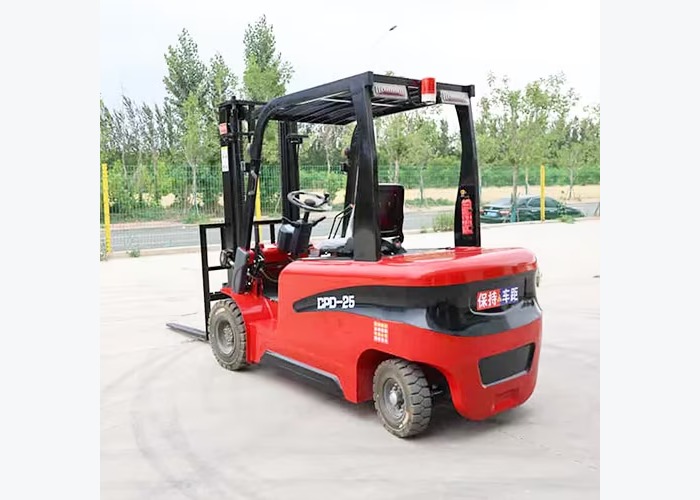
Refueling is not finished when the nozzle is returned. The truck still needs a quick release check to confirm the cap is secure, the step area is clean, and no fresh leak or smell has been introduced by the fueling action itself. A clean exit inspection prevents the fueling point from becoming the source of the next route problem. Guidance such as CCOHS forklift daily checks is useful because it keeps the review tied to real operating control rather than to vague habit. In a working warehouse or yard, the checklist should reflect the actual route, load, charger routine, or placement task the machine will face. The main risk is that a truck may leave the bay with a loose cap or fresh residue that no one noticed. That is why the check should be explained in terms the operator and supervisor can both act on immediately.
A practical next step is to walk the cap area, floor, and truck side one more time before the operator drives away. Keep the observation concrete instead of relying on memory, because specific notes make maintenance and supervision faster. The relevant Heavy Duty Diesel Forklift Guide for Stone Yards, Timber Loads, and Outdoor Duty Cycles can also help turn the observation into a product or application discussion that fits the site more cleanly. As a decision rule, make the final walk-around the last gate before the truck returns to traffic. That keeps the inspection connected to the daily task instead of turning it into a generic routine.
The real value of a fueling checklist shows up over time because repeated hose drips, awkward traffic patterns, or frequent hot-engine arrivals can be corrected only if someone records them clearly. If the team only reacts in the moment, the same weak point will keep returning. The checklist should therefore end with a short note on any unusual condition or hold decision. Guidance such as CCOHS maintaining truck control is useful because it keeps the review tied to real operating control rather than to vague habit. In a working warehouse or yard, the checklist should reflect the actual route, load, charger routine, or placement task the machine will face. The main risk is that small fueling issues can become accepted routine because nobody tracks the pattern. That is why the check should be explained in terms the operator and supervisor can both act on immediately.
A practical next step is to record spills, defective fueling hardware, repeated congestion, or trucks held for follow-up before the shift moves on. Keep the observation concrete instead of relying on memory, because specific notes make maintenance and supervision faster. The relevant Diesel Counterbalance Forklift Guide for Load Stability, Mast Choice, and Outdoor Yard Work can also help turn the observation into a product or application discussion that fits the site more cleanly. As a decision rule, use each exception note to improve the fueling system instead of treating it as a one-off. That keeps the inspection connected to the daily task instead of turning it into a generic routine.
Why is hot-engine timing part of a fueling checklist? Because recent heavy duty changes the heat level around the truck and makes rushed refueling more risky than a deliberate shutdown and cooling pause.
Should outdoor fueling still include a ventilation check? Yes. Walls, canopies, trailers, and parked equipment can still reduce airflow around the fueling point.
What should happen after a small diesel spill? The operator should contain it immediately, report it clearly, and confirm the truck and fueling equipment are still safe before release.
Watch a related diesel forklift video here: https://www.youtube.com/watch?v=UoHqsZE7YXg.

A strong diesel forklift refueling checklist protects more than the fuel system. It protects the yard routine, the operator, and the truck release decision.
When the fueling zone, heat condition, spill response, and final walk-around are all handled deliberately, the site avoids many preventable incidents that otherwise look like simple bad luck.
If your team is refueling in mixed traffic, under canopies, or during fast yard turnover, review the fueling layout before the next busy shift forces the issue.