Get in touch
* Your personal information is securely protected and will only be used for business communication purposes.

Switching from diesel or LPG to a counterbalance electric forklift isn’t a plug-and-play decision — it’s a facility-wide commitment that requires a structured site audit before a single piece of equipment arrives. Get this step right, and your transition protects uptime. Skip it, and you’re troubleshooting avoidable problems on day one.
Before procurement begins, work through this assessment checklist:
OSHA compliance note: Facilities operating indoors under strict air quality standards often prefer electric power. Documenting your baseline now creates a defensible record for regulatory audits later.
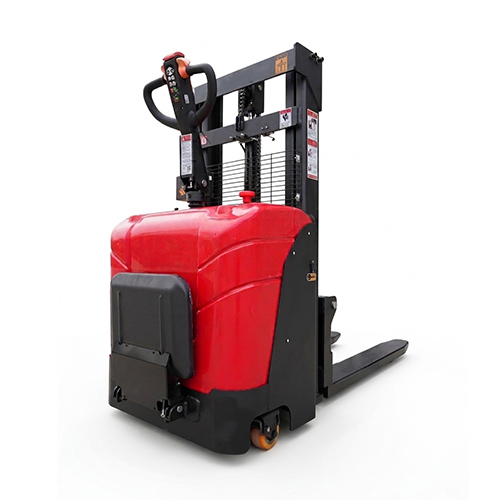
A thorough site assessment also reveals which models realistically fit your operation — and that starts with matching load capacity to your actual heaviest lifts. The next step covers exactly how to do that.
Capacity mismatch is one of the most common — and costly — errors when transitioning to electric power. Once your facility assessment confirms you’re ready to make the shift, choosing the right forklift capacity becomes the immediate next challenge.
In heavy manufacturing environments, a big electric forklift (typically 3.5–4+ ton rated capacity) handles tasks that standard units simply can’t: moving raw steel coils, loaded pallets of concrete products, or heavy machinery components across mixed indoor/outdoor surfaces. A compact 2.5-ton unit works exceptionally well for standard warehouse picking and replenishment — but its load center limits performance when load weights exceed 2,500 kg or load dimensions push weight forward of the standard 500 mm load center.
4-wheel stability matters especially where floor surfaces transition between indoor concrete and outdoor yard pavement. Four-wheel counterbalance models maintain a wider stance, reducing tip risk during loaded turns at grade changes. An electric warehouse forklift running a 4-wheel chassis also supports higher mast heights — a critical factor when matching lift height to existing racking systems that may reach 6–8 meters. With the global electric forklift market growing at a CAGR of 13.4%, demand is being driven precisely by these high-capacity applications.
| Application | Recommended Capacity | Load Center | Typical Mast Height |
|---|---|---|---|
| General warehousing | 2–2.5 ton | 500 mm | Up to 5 m |
| Heavy manufacturing | 3.5–4 ton | 600 mm | 6–8 m |
| Outdoor yard operations | 4+ ton | 600 mm | 4–6 m |
Once you’ve locked in the right capacity, the next critical decision is how you’ll keep that machine charged and operational around the clock.
With the right capacity forklift selected, the next variable that determines uptime is your charging setup. An inefficient charging environment can create bottlenecks — even with the best electric forklift for indoor use on the floor. As Logistics Management Magazine notes, the transition to electric is fundamentally about operational efficiency, and that efficiency starts at the charger.
Follow these steps to build a charging infrastructure that keeps your fleet moving:
Pro Tip — Opportunity Charging: Treat every break as a micro-charge event. Consistent top-ups between 20% and 80% state of charge reduce thermal stress and extend overall battery cycle life significantly.
Getting this infrastructure right sets the stage — but hardware alone isn’t enough. How you maintain the battery day-to-day ultimately determines how long your investment lasts.
A question facilities managers ask early in any electric transition is: how long does an electric forklift battery last? Typically, lithium-ion batteries last 1,500 to 2,000+ charge cycles, while lead-acid batteries last 5–7 years — depends almost entirely on how consistently operators follow a structured maintenance routine. The U.S. Department of Energy notes that electric forklifts can reduce total cost of ownership by up to 75% compared to internal combustion models, but only when the battery is properly maintained.
Follow this core maintenance sequence:
⚠️ Warning — Depth of Discharge: Never discharge below 20% or charge above 80% state-of-charge during normal operations. Violating this “20-80 rule” dramatically shortens cycle life and voids most manufacturer warranties.
In practice, a consistent schedule catches minor issues before they become costly replacements — setting the stage for the operator behavior changes covered next.
With your charging infrastructure optimized and your maintenance schedule locked in, the final hands-on variable is operator readiness. The feel of an electric forklift vs diesel forklift is noticeably different, and a structured transition program prevents productivity dips during the learning curve. As reported by Logistics Management Magazine, electric models typically operate below 70 decibels — a quieter cab that actually improves operator focus and safety communication on the floor.
[YOUTUBE EMBED: “Electric Forklift Operation”]
Focus your operator training on these four dynamics:
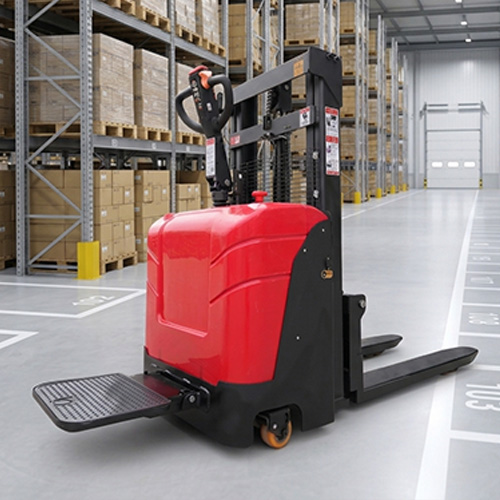
In practice, most operators reach full proficiency within two to three shifts. Once comfortable, many report the electric drive feels more controlled and less fatiguing than diesel — a detail that pays off in productivity numbers you’ll want to track carefully.
With your operators trained and your maintenance schedule running, the final step is confirming the numbers actually work. ROI verification transforms your transition from a leap of faith into a data-backed business decision.
Track fuel savings monthly. Pull your pre-transition diesel or LPG spend and compare it directly against monthly electricity costs. In practice, electric forklifts cost significantly less per operating hour to run — a gap that widens as energy prices fluctuate. Pair that with reduced maintenance invoices, since electric drivetrains eliminate oil changes, filter replacements, and exhaust servicing entirely.
Monitor maintenance interval reductions. Log every service event and measure how scheduled downtime shrinks quarter over quarter. This data also strengthens the case when presenting ROI to leadership.
The VY-CPD40 represents the peak of 4-ton electric counterbalance technology — engineered to match diesel lift capacity while driving a fundamentally lower total cost of ownership. If you’re weighing that tradeoff in detail, a direct power comparison between electric and diesel platforms is worth reviewing.
Key Takeaways:
Still have questions about specific use cases? The next section addresses the most common ones directly.
What is a heavy duty electric forklift used for? According to Huayaba Research, heavy duty electric forklifts are designed for heavy pallet movement in food processing, pharmaceuticals, and indoor manufacturing — environments where diesel exhaust is prohibited. They handle demanding lift cycles while keeping air quality compliant.
How long does an electric forklift battery last in a double shift? In practice, lithium-ion batteries on modern units support 16-hour double shifts without a mid-shift battery swap, provided charging is optimized during breaks. Traditional lead-acid batteries, however, typically require a full swap or extended charge between shifts — a critical planning distinction.
Can the VY-CPD40 be used in outdoor rain conditions? Many heavy-duty electric models have an IP rating that protects against light moisture, but sustained rain or standing water exposure exceeds standard protection thresholds. Always verify the specific IP rating before deploying any unit outdoors regularly.
How does electric maintenance compare to diesel? The difference is substantial. Electric forklifts eliminate oil changes, filter replacements, and engine tune-ups — reducing scheduled maintenance touchpoints significantly. Diesel units carry far more wear components, translating directly into higher labor and parts costs over a fleet’s lifetime. For operations weighing their long-term cost structure, that gap compounds quickly.