Get in touch
* Your personal information is securely protected and will only be used for business communication purposes.

A pallet stacker can look simple compared with a larger forklift, but that simplicity often causes teams to relax their pre-use discipline. Wheels, forks, chains, brake response, battery condition, and travel controls still decide whether the stacker will feel predictable in a narrow aisle or become awkward halfway through the route.
This checklist is written for walkie and compact electric stacker users who need a practical start-of-shift inspection before pallet replenishment, rack approach, and short warehouse travel begin. The focus is on the parts that most directly affect stacker control: wheel condition, fork entry, visible chain wear, brake response, control-head behavior, and clear release decisions.
A pallet stacker should be checked in the context of the actual replenishment route it will support. Narrow aisles, thresholds, rough joints, short ramps, top placement height, and pallet quality all change which small issue matters most that day. A stacker that feels acceptable on an open floor may still be the wrong release decision for a tight route with poor pallets or repeated upper-level placement. Guidance such as OSHA powered industrial trucks standard is useful because it keeps the review tied to real operating control rather than to vague habit. In a working warehouse or yard, the checklist should reflect the actual route, load, charger routine, or placement task the machine will face. The main risk is that a pre-use check loses value when it ignores the route the stacker must actually follow. That is why the check should be explained in terms the operator and supervisor can both act on immediately.
A practical next step is to review the route length, highest routine placement point, pallet condition, and any rough transitions before starting the detailed inspection. Keep the observation concrete instead of relying on memory, because specific notes make maintenance and supervision faster. The relevant Stacker category can also help turn the observation into a product or application discussion that fits the site more cleanly. As a decision rule, treat the route as the reference point for the release decision. That keeps the inspection connected to the daily task instead of turning it into a generic routine.
Small stacker wheels carry a lot of consequence because they shape how the truck crosses joints, holds line in narrow aisles, and responds to braking. Flat spots, debris, cracking, chunking, or uneven wear can quickly reduce control in a compact truck. Since the stacker often works close to racking and pedestrians, wheel condition should be one of the first visible checks of the shift. Guidance such as CCOHS daily forklift checks is useful because it keeps the review tied to real operating control rather than to vague habit. In a working warehouse or yard, the checklist should reflect the actual route, load, charger routine, or placement task the machine will face. The main risk is that compact equipment can feel unstable much sooner than operators expect when wheel condition drifts. That is why the check should be explained in terms the operator and supervisor can both act on immediately.
A practical next step is to inspect load wheels, drive wheel, and visible rollers for damage, embedded debris, loose material, or wear patterns that no longer match normal use. Keep the observation concrete instead of relying on memory, because specific notes make maintenance and supervision faster. The relevant Walkie Type Fully Electric Stacker CDD-15 can also help turn the observation into a product or application discussion that fits the site more cleanly. As a decision rule, base wheel readiness on the roughest repeated transition on the route. That keeps the inspection connected to the daily task instead of turning it into a generic routine.
A stacker depends on clean pallet entry. Damaged fork tips, visible bends, heel wear, or a poor backrest area can make pallet pickup slower and less forgiving, especially where the route includes tight alignment or mixed pallet quality. These conditions matter even more on walkie equipment because the operator stays physically close to the action and quickly notices any erratic pallet entry. Guidance such as CCOHS fork safety is useful because it keeps the review tied to real operating control rather than to vague habit. In a working warehouse or yard, the checklist should reflect the actual route, load, charger routine, or placement task the machine will face. The main risk is that because stacker loads are often lighter than forklift loads, teams may underestimate fork wear. That is why the check should be explained in terms the operator and supervisor can both act on immediately.
A practical next step is to look at both fork tips, heel areas, visible straightness, and any surfaces that support the pallet during entry and lift. Keep the observation concrete instead of relying on memory, because specific notes make maintenance and supervision faster. The relevant Walkie Type Fully Electric Stacker CDD-20 can also help turn the observation into a product or application discussion that fits the site more cleanly. As a decision rule, treat fork condition as a handling-quality issue, not only as a structural issue. That keeps the inspection connected to the daily task instead of turning it into a generic routine.
Daily stacker inspections should include a clear look at the visible lift path. Chains, mast channels, rollers, and hose points show early warning signs when the lift will soon become noisy, rough, or inconsistent. If the machine is used for repeated rack approach or upper-level placement, these visible wear points become even more important because the operator relies on smooth predictable lift response. Guidance such as CCOHS maintaining truck control is useful because it keeps the review tied to real operating control rather than to vague habit. In a working warehouse or yard, the checklist should reflect the actual route, load, charger routine, or placement task the machine will face. The main risk is that small mast issues often stay unnoticed until the truck hesitates or sounds harsh under lift. That is why the check should be explained in terms the operator and supervisor can both act on immediately.
A practical next step is to scan chain condition, mast channels, lift rollers, and visible hose routing for wear, abrasion, dirt buildup, or unusual slack. Keep the observation concrete instead of relying on memory, because specific notes make maintenance and supervision faster. The relevant Electric Stacker Maintenance Schedule for Chains, Rollers, Brakes, and Batteries can also help turn the observation into a product or application discussion that fits the site more cleanly. As a decision rule, use the pre-use check to catch obvious lift-path wear before the route begins. That keeps the inspection connected to the daily task instead of turning it into a generic routine.
Even a compact electric stacker can develop small leaks or residue that slowly affect lift performance. Wet spots at hoses, fittings, or the lift cylinder may not stop the first pallet from moving, but they can reduce confidence and cleanliness across the shift. Since stackers often operate in cleaner indoor areas, even a modest leak becomes a control and housekeeping problem quickly. Guidance such as CDC daily powered industrial truck inspection guidance is useful because it keeps the review tied to real operating control rather than to vague habit. In a working warehouse or yard, the checklist should reflect the actual route, load, charger routine, or placement task the machine will face. The main risk is that operators sometimes assume a minor seep is harmless because the machine still lifts. That is why the check should be explained in terms the operator and supervisor can both act on immediately.
A practical next step is to check around hydraulic fittings, lift-cylinder areas, and the floor under the parked stacker for new wetness or residue. Keep the observation concrete instead of relying on memory, because specific notes make maintenance and supervision faster. The relevant Walkie Stacker Training Guide for Daily Checks, Pallet Entry, and Safe Warehouse Travel can also help turn the observation into a product or application discussion that fits the site more cleanly. As a decision rule, flag hydraulic leaks early so the route does not become the test area. That keeps the inspection connected to the daily task instead of turning it into a generic routine.
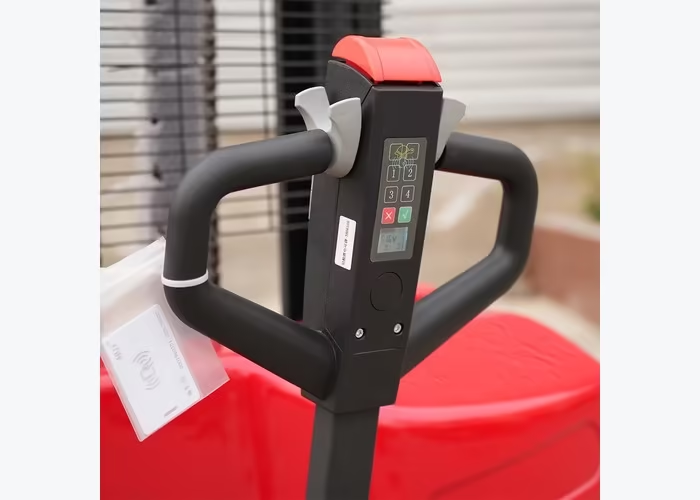
Walkie stackers rely heavily on control-head behavior. The throttle direction, crawl response, emergency-reverse belly switch, horn, and handle return should all feel predictable before the truck reaches a crowded aisle. A control issue on a compact machine is not a minor comfort problem. It directly changes how close the operator can work to racks, pallets, and pedestrians. Guidance such as HSE workplace transport guidance is useful because it keeps the review tied to real operating control rather than to vague habit. In a working warehouse or yard, the checklist should reflect the actual route, load, charger routine, or placement task the machine will face. The main risk is that a stacker can appear powered and ready while still having an unsafe control response. That is why the check should be explained in terms the operator and supervisor can both act on immediately.
A practical next step is to test control-head movement, travel commands, horn, emergency reverse, and handle-return feel before the first working cycle. Keep the observation concrete instead of relying on memory, because specific notes make maintenance and supervision faster. The relevant contact VARYON for stacker planning can also help turn the observation into a product or application discussion that fits the site more cleanly. As a decision rule, do not release the stacker until the operator controls feel normal and repeatable. That keeps the inspection connected to the daily task instead of turning it into a generic routine.
Brake quality should be checked deliberately because stackers often work in tighter spaces where a weak stop or delayed hold becomes obvious very quickly. The inspection should include service braking feel, parking hold if applicable, and whether the stacker remains settled when stopped on its normal route surface. This check matters even if the travel distance is short. Guidance such as OSHA powered industrial trucks standard is useful because it keeps the review tied to real operating control rather than to vague habit. In a working warehouse or yard, the checklist should reflect the actual route, load, charger routine, or placement task the machine will face. The main risk is that short-route equipment is often assumed to need less brake discipline when in fact it needs more precision. That is why the check should be explained in terms the operator and supervisor can both act on immediately.
A practical next step is to run a brief no-load movement and test stopping response, neutral behavior, and holding stability in a safe open section before entering the aisle. Keep the observation concrete instead of relying on memory, because specific notes make maintenance and supervision faster. The relevant Stacker category can also help turn the observation into a product or application discussion that fits the site more cleanly. As a decision rule, confirm brake behavior before the stacker reaches its first pallet or rack face. That keeps the inspection connected to the daily task instead of turning it into a generic routine.
An electric stacker daily check should include a basic battery and connector review, not because every shift starts with maintenance work, but because charging habits strongly affect daily availability. A loose connector, damaged cable jacket, low charge state, or poor plug condition can turn a normal replenishment truck into a mid-shift interruption. This is especially true in shared-use warehouse teams. Guidance such as CCOHS daily forklift checks is useful because it keeps the review tied to real operating control rather than to vague habit. In a working warehouse or yard, the checklist should reflect the actual route, load, charger routine, or placement task the machine will face. The main risk is that sites often blame the stacker later for a problem that started with a weak handover routine. That is why the check should be explained in terms the operator and supervisor can both act on immediately.
A practical next step is to check battery charge status, connector fit, cable condition, and any obvious signs that the truck was not returned properly to charge. Keep the observation concrete instead of relying on memory, because specific notes make maintenance and supervision faster. The relevant Walkie Type Fully Electric Stacker CDD-15 can also help turn the observation into a product or application discussion that fits the site more cleanly. As a decision rule, treat battery-readiness as part of the release decision, not as a separate charging topic. That keeps the inspection connected to the daily task instead of turning it into a generic routine.
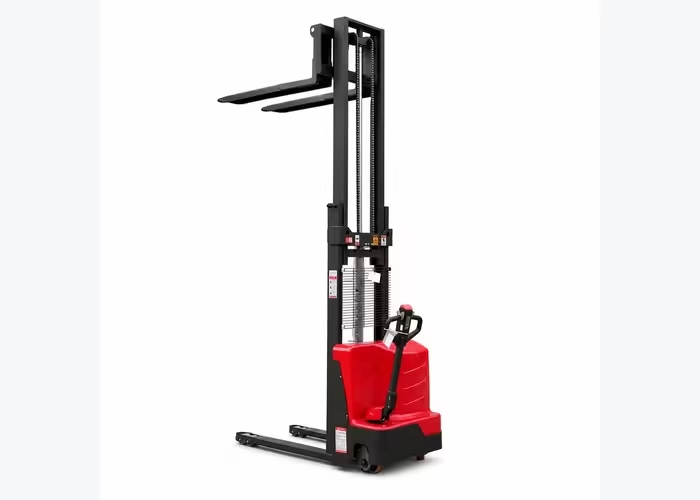
The stacker should prove that it can travel, stop, lift, and lower cleanly before it joins production. Jerky movement, weak lift, odd noises, drift, or hesitation are easier to catch during a short controlled test than during the first replenishment move in a live aisle. A short function cycle creates a clean handoff from inspection to operation. Guidance such as CCOHS fork safety is useful because it keeps the review tied to real operating control rather than to vague habit. In a working warehouse or yard, the checklist should reflect the actual route, load, charger routine, or placement task the machine will face. The main risk is that if the first real function test happens in a narrow aisle, the route becomes the inspection area. That is why the check should be explained in terms the operator and supervisor can both act on immediately.
A practical next step is to perform a controlled no-load or light-load function cycle that includes travel, stop, lift, lower, and steering corrections in a safe space. Keep the observation concrete instead of relying on memory, because specific notes make maintenance and supervision faster. The relevant Walkie Type Fully Electric Stacker CDD-20 can also help turn the observation into a product or application discussion that fits the site more cleanly. As a decision rule, use a short functional cycle to confirm the machine feels normal before work starts. That keeps the inspection connected to the daily task instead of turning it into a generic routine.
The checklist only protects the warehouse when it ends with an explicit decision. A stacker should be released, monitored, or held based on what was actually found. Clear defect notes prevent the same issue from being rediscovered by another shift and help maintenance focus on the problems that affect route control first. Guidance such as CCOHS maintaining truck control is useful because it keeps the review tied to real operating control rather than to vague habit. In a working warehouse or yard, the checklist should reflect the actual route, load, charger routine, or placement task the machine will face. The main risk is that weak documentation allows recurring small issues to stay in use indefinitely. That is why the check should be explained in terms the operator and supervisor can both act on immediately.
A practical next step is to record the exact defect, the stacker identity, and the release status before the machine begins its first route. Keep the observation concrete instead of relying on memory, because specific notes make maintenance and supervision faster. The relevant Electric Stacker Maintenance Schedule for Chains, Rollers, Brakes, and Batteries can also help turn the observation into a product or application discussion that fits the site more cleanly. As a decision rule, finish the checklist with a clear operating decision, not just a completed form. That keeps the inspection connected to the daily task instead of turning it into a generic routine.
Why do small wheel issues matter so much on a pallet stacker? Because compact stackers feel route defects quickly. Wheel wear or debris can change control, stopping feel, and aisle tracking much sooner than people expect.
Should a stacker still get a full daily inspection if it only travels short distances? Yes. Tight aisles and close operator positioning mean small control or fork issues matter even on short routes.
What is the main purpose of the pre-use stacker check? It is to make a release decision before the machine enters pallet traffic, not just to complete a form.
Watch a related stacker video here: https://www.youtube.com/watch?v=ROqFgDITLnw.
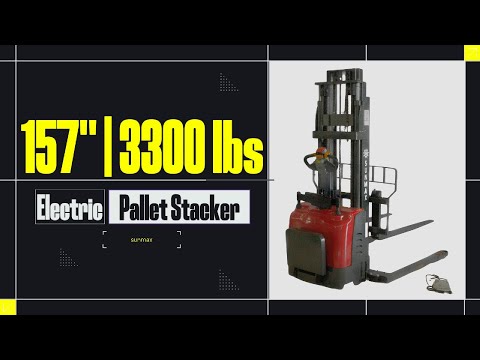
A pallet stacker daily inspection should stay practical and route-specific, with special attention to wheels, forks, chain condition, controls, and brake feel.
That discipline helps the warehouse catch small defects before they become awkward pallet entry, poor stopping, or unstable aisle behavior.
If your route is tightening, lift height is increasing, or pallet condition is changing, review whether the current stacker setup still matches the work before problems become routine.